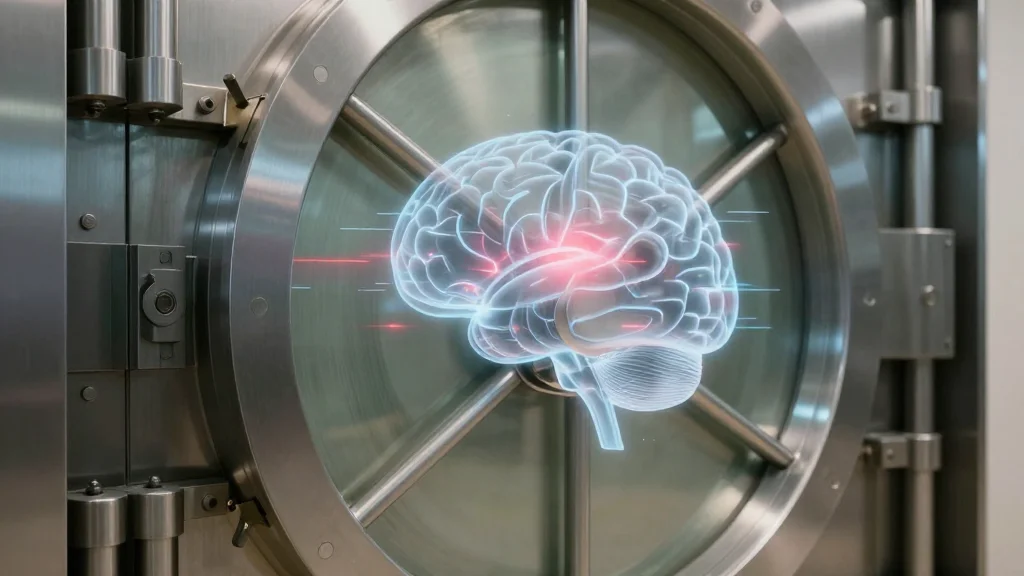
Another Potential AI Problem: Bored Humans Miss AI Mistakes
Companies Mentioned
Why It Matters
If unchecked, automation complacency can turn AI’s efficiency into hidden liability, inflating operational risk and eroding trust in digital banking processes.
Key Takeaways
- •Automation complacency leads reviewers to miss rare but costly AI errors
- •34% of U.S. bankers name automation bias as top AI risk
- •Verification can outweigh AI speed, e.g., 3‑minute loan prep vs 11‑hour review
- •Rotating reviewers and appointing “AI skeptics” helps sustain vigilance
- •Injecting synthetic errors tests and improves human detection rates
Pulse Analysis
The rise of agentic AI in banking promises rapid document generation and decision‑making, yet it also magnifies a subtle human factor: automation complacency. When AI outputs are consistently correct, reviewers’ brains tune out, treating the system as a black box rather than a tool requiring scrutiny. This cognitive drift mirrors challenges long observed in aviation and healthcare, where over‑trust in automation can let rare failures slip through. In banking, a single missed error—whether in loan underwriting or compliance reporting—can trigger regulatory penalties and reputational damage worth millions.
Recent industry data underscores the urgency. A Wolters Kluwer poll of 230 U.S. banking professionals placed automation bias ahead of skills gaps and incentive misalignment as the primary AI safety concern. The survey highlights how performance incentives that reward speed over accuracy can exacerbate the problem, prompting staff to defer to AI rather than engage in critical analysis. Moreover, the verification burden can nullify AI’s speed advantage; a three‑minute AI‑drafted loan document may require eleven hours of human review, eroding cost savings and slowing pipelines.
Mitigating automation complacency demands systematic design changes. Experts advise rotating review teams, designating a weekly “AI skeptic,” and periodically seeding AI outputs with synthetic errors to gauge detection rates. Confidence scoring before and after verification can surface patterns of over‑confidence, while external audits introduce fresh perspectives free from internal habituation. By embedding sustainable skepticism into AI governance frameworks, banks can preserve the efficiency gains of agentic AI without sacrificing the rigorous oversight essential for risk‑averse financial institutions.
Another potential AI problem: Bored humans miss AI mistakes
Comments
Want to join the conversation?
Loading comments...