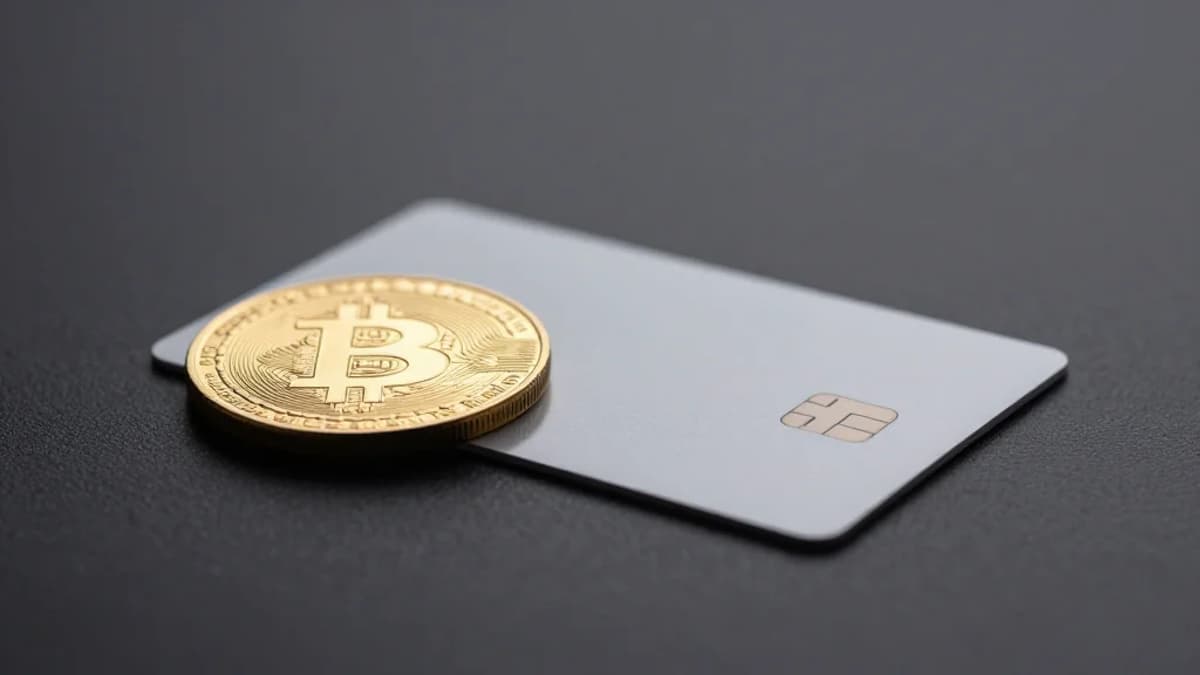
Beginner Crypto Guide: How Digital Money Fits Into Personal Finance Basics
•January 13, 2026
0
Companies Mentioned

Why It Matters
Crypto is becoming a mainstream component of financial literacy, and understanding its risks and best practices is essential for modern investors. Proper integration can enhance diversification without jeopardizing financial stability.
Key Takeaways
- •Start with small, fractional crypto purchases
- •Diversify across Bitcoin, Ethereum, stablecoins
- •Apply dollar‑cost averaging for volatility
- •Secure holdings with hardware wallets and 2FA
- •Track all transactions for tax compliance
Pulse Analysis
Cryptocurrency’s rapid rise has shifted the definition of personal finance from a bank‑centric model to a digital‑first paradigm. While cash, checks, and card payments still dominate daily transactions, digital assets now offer new avenues for wealth building, cross‑border transfers, and financial inclusion. Understanding blockchain fundamentals equips consumers to evaluate crypto’s role alongside traditional budgeting, saving, and investing, ensuring they are not left behind as the financial ecosystem evolves.
For newcomers, disciplined strategies are crucial. Starting with micro‑investments—often as low as ten dollars—allows hands‑on learning without exposing significant capital. Diversification across established coins such as Bitcoin and Ethereum, plus a stablecoin for reduced volatility, spreads risk. Dollar‑cost averaging smooths price swings, while a long‑term horizon mitigates emotional reactions to market noise. Security cannot be an afterthought; hardware wallets, two‑factor authentication, and private‑key protection are essential safeguards against irreversible losses.
Integrating crypto into a broader portfolio demands careful allocation. Financial advisers typically suggest a 70‑20‑10 rule: 70% traditional assets, 20% savings, and 10% speculative investments like crypto. This balance preserves stability, liquidity, and regulatory protection while granting exposure to high‑growth digital assets. Proper tax documentation and an exit strategy further solidify the approach, turning crypto from a speculative gamble into a measured component of a diversified wealth‑building plan.
Beginner Crypto Guide: How Digital Money Fits Into Personal Finance Basics
0
Comments
Want to join the conversation?
Loading comments...