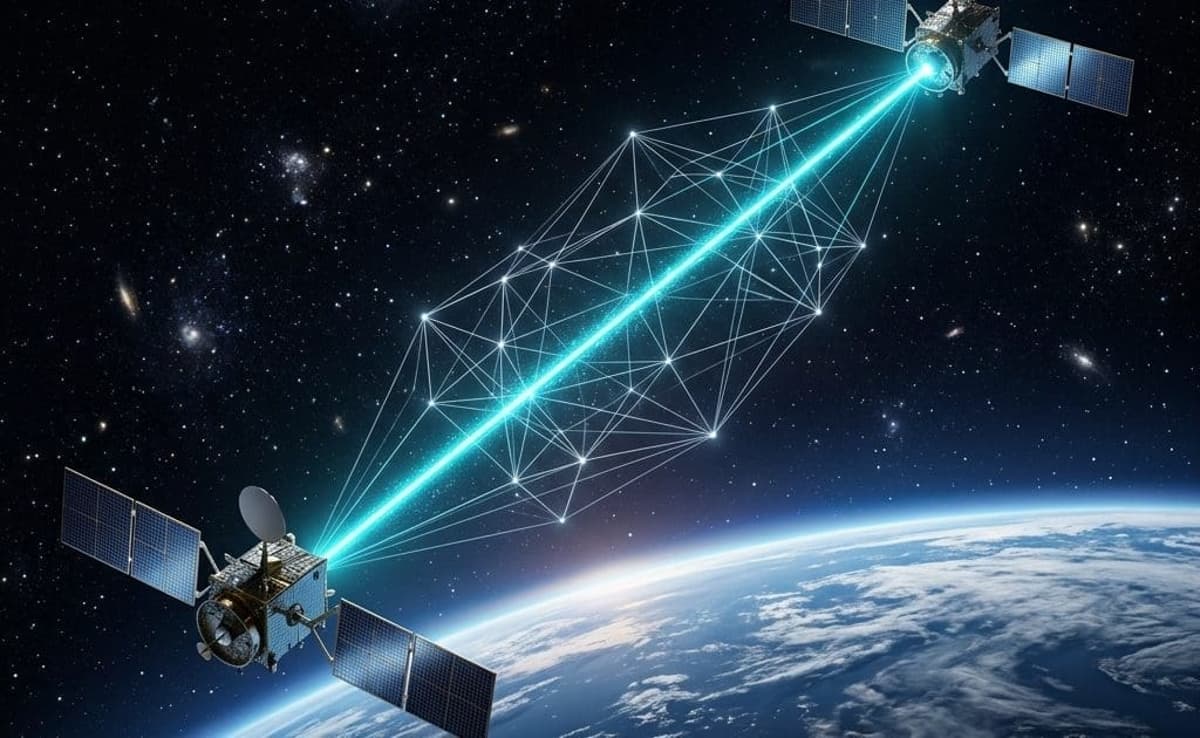
BitGo Completes Quantum MPC Simulation with FIPS 204 Standard

Key Takeaways
- •BitGo executed first regulated post‑quantum MPC transaction simulation
- •Protocol uses NIST‑approved ML‑DSA signature under FIPS 204
- •Demonstration involved Google, Stanford, Linux Foundation experts
- •Solution preserves MPC’s distributed key control while adding quantum resistance
- •Plans include interoperability testing with select institutional partners
Pulse Analysis
Quantum computing is moving from a research curiosity to a credible threat that could render today’s encryption obsolete. In response, the cryptographic community has accelerated the development of post‑quantum cryptography (PQC) standards, with NIST’s recent approval of the ML‑DSA algorithm and its inclusion in FIPS 204 providing a clear, government‑backed baseline. Financial institutions, especially those safeguarding digital assets, are under pressure to adopt cryptographic agility— the ability to swap algorithms without disrupting existing workflows— before quantum‑capable machines become a reality.
BitGo’s partnership with Silence Laboratories showcases how a regulated custodian can integrate PQC into its core custody stack. The PQ‑MPC protocol combines the distributed‑key benefits of multi‑party computation— such as policy‑driven access and auditability— with the quantum resistance of ML‑DSA signatures. By running the simulation on BitGo’s platform and inviting observers from Google, Stanford and the Linux Foundation, the firms demonstrated both technical feasibility and industry endorsement. The use of a FIPS‑validated algorithm also eases compliance concerns, allowing regulated entities to meet existing security frameworks while future‑proofing their infrastructure.
For the broader market, this milestone signals that quantum‑ready solutions are no longer speculative prototypes but actionable products. Custodians can now plan phased migrations, offering clients the option to adopt post‑quantum wallets on their own timelines rather than facing a forced, rushed overhaul. As interoperability standards mature and audit mechanisms are refined, we can expect a wave of similar collaborations, ultimately embedding quantum‑resistant cryptography into the fabric of regulated digital‑asset services. This proactive approach not only mitigates future risk but also reinforces trust in the custodial ecosystem as it scales globally.
BitGo Completes Quantum MPC Simulation with FIPS 204 Standard
Comments
Want to join the conversation?