Broad Global Uptake of Dollar-Denominated Stablecoins Is No Sure Thing
•January 8, 2026
0
Companies Mentioned


Why It Matters
If dollar stablecoins face fragmented regulation, their promised efficiency gains for cross‑border payments may be delayed, reshaping fintech investment strategies.
Key Takeaways
- •US GENIUS Act enables dollar stablecoin issuance framework
- •Forecasts predict $3 trillion stablecoin market by 2030
- •Few non‑US jurisdictions have active stablecoin regulations
- •Nations may restrict dollar stablecoins to protect domestic currency
- •Patchwork rules could curb global adoption and growth
Pulse Analysis
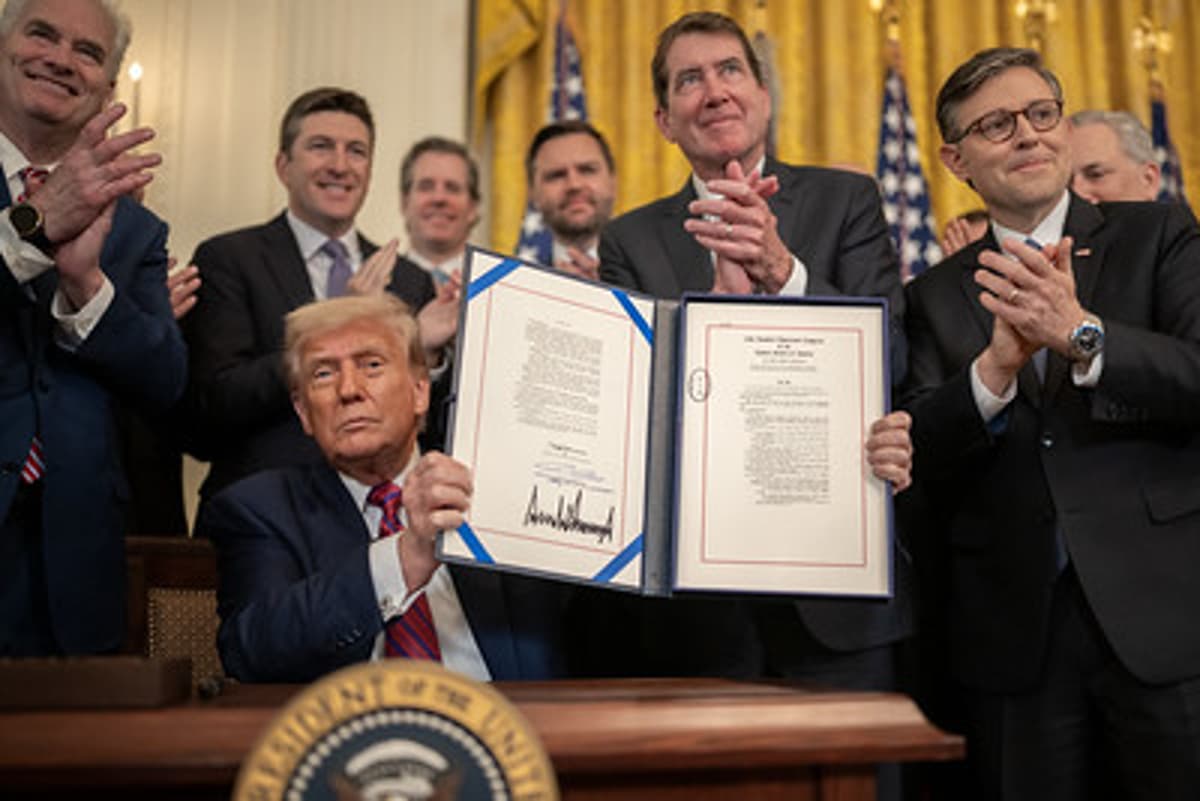
The GENIUS Act, signed by President Trump, positions the United States as the first major economy to codify a clear legal pathway for dollar‑linked stablecoins. Treasury officials and banks tout the potential for a trillion‑dollar market, arguing that tokenized dollars could streamline trade settlements, reduce friction, and lower costs for corporates. Yet these projections assume a level playing field that currently exists only in the U.S., ignoring the reality that most sovereigns have yet to adopt comprehensive stablecoin policies.
Outside the United States, regulatory momentum is uneven. Japan’s first stablecoin law debuted in 2022, but its inaugural yen‑stablecoin only launched in 2025 with modest volume. The EU’s MiCA framework, active since 2024, imposes strict reserve requirements that dampen dollar‑stablecoin issuance. Meanwhile, the UAE, Hong Kong, and Singapore have introduced frameworks but remain cautious, often limiting or delaying issuer approvals. These jurisdictions prioritize domestic monetary sovereignty and banking sector influence, signaling that outright bans or heavy compliance burdens are plausible.
For businesses, the emerging patchwork of rules translates into heightened legal risk and operational complexity. Treasurers must weigh the efficiency of tokenized dollars against potential regulatory scrutiny, capital‑flight concerns, and the need for bank cooperation. Investors and fintech innovators should temper growth expectations, focusing on regions with clear, supportive policies while preparing for divergent compliance regimes. Realistic forecasts will better guide capital allocation and product development in a market where political resistance may be as decisive as technology.
Broad global uptake of dollar-denominated stablecoins is no sure thing
0
Comments
Want to join the conversation?
Loading comments...