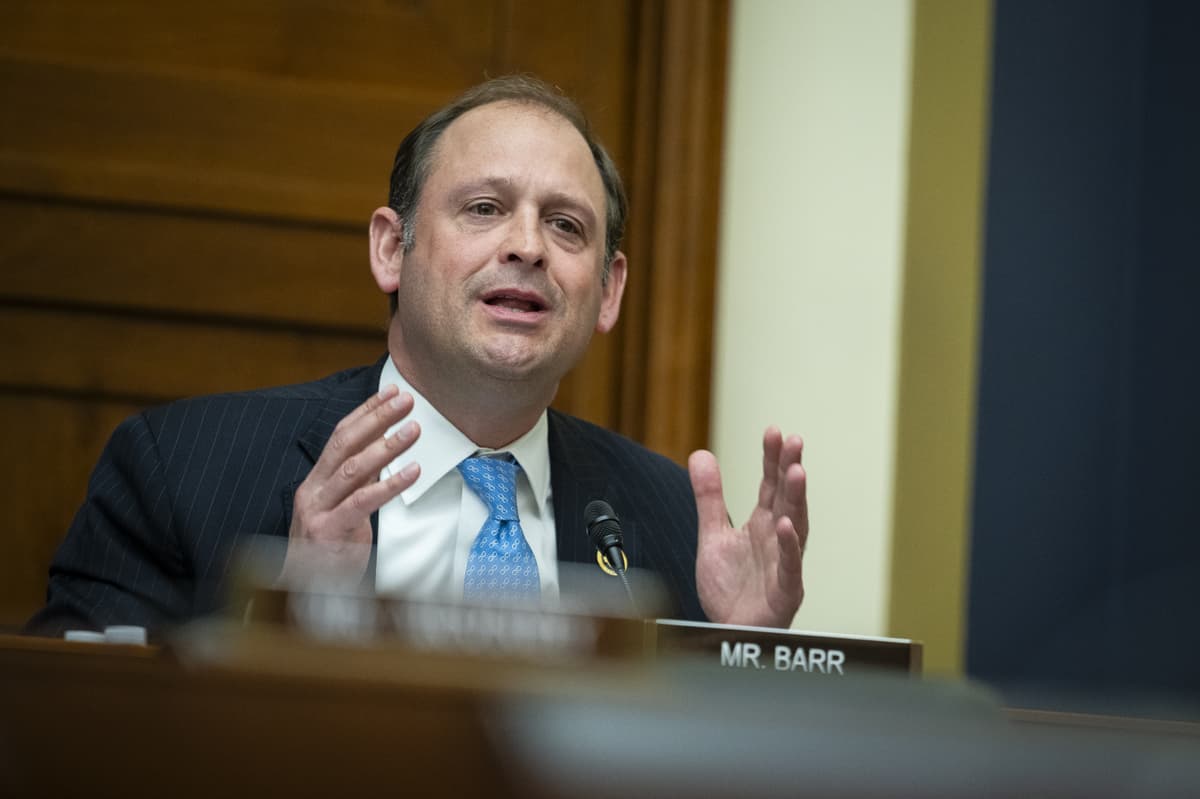
Community Bank Bill Moves Forward, but with some Caveats
•January 23, 2026
0
Companies Mentioned

Why It Matters
If enacted, the bill would lower compliance costs for community banks, reshaping competition and regulatory risk in the U.S. banking sector while highlighting the partisan divide over financial deregulation.
Key Takeaways
- •Bill ties thresholds to nominal GDP, not inflation
- •Would exempt many community banks from tighter regulations
- •GOP-backed, faces Democratic opposition over risk concerns
- •Could reshape compliance costs for low‑risk banks
- •Chairman signals willingness to trim bill for bipartisan support
Pulse Analysis
Indexing regulatory thresholds to nominal GDP reflects a broader GOP effort to modernize banking rules that were set in a different economic era. Proponents argue that as the economy expands, using GDP as a benchmark prevents community banks from being pushed into higher‑risk categories solely because of macro‑economic growth. This approach could preserve the low‑cost, relationship‑focused model that many small banks rely on, while potentially reducing the administrative burden of Dodd‑Frank‑era requirements such as the Volcker Rule and enhanced capital standards.
Democratic lawmakers, however, caution that decoupling thresholds from inflation creates a risk‑agnostic framework that may allow larger, more complex institutions to evade scrutiny. Critics highlight the potential adverse effects on low‑ and moderate‑income neighborhoods, communities of color, and rural areas that depend on community banks for credit access. The debate underscores a deeper partisan clash: Republicans view deregulation as a catalyst for economic growth, whereas Democrats emphasize consumer protection and financial stability.
The bill’s future hinges on whether Chairman French Hill can negotiate substantive concessions that address Democratic concerns. A narrowed version could focus on a limited set of rules, preserving the core intent of easing compliance while introducing safeguards for risk assessment. If successful, the legislation may set a precedent for further Dodd‑Frank rollbacks, reshaping the regulatory landscape for community banks and influencing the broader conversation about balancing deregulation with systemic risk oversight.
Community bank bill moves forward, but with some caveats
0
Comments
Want to join the conversation?
Loading comments...