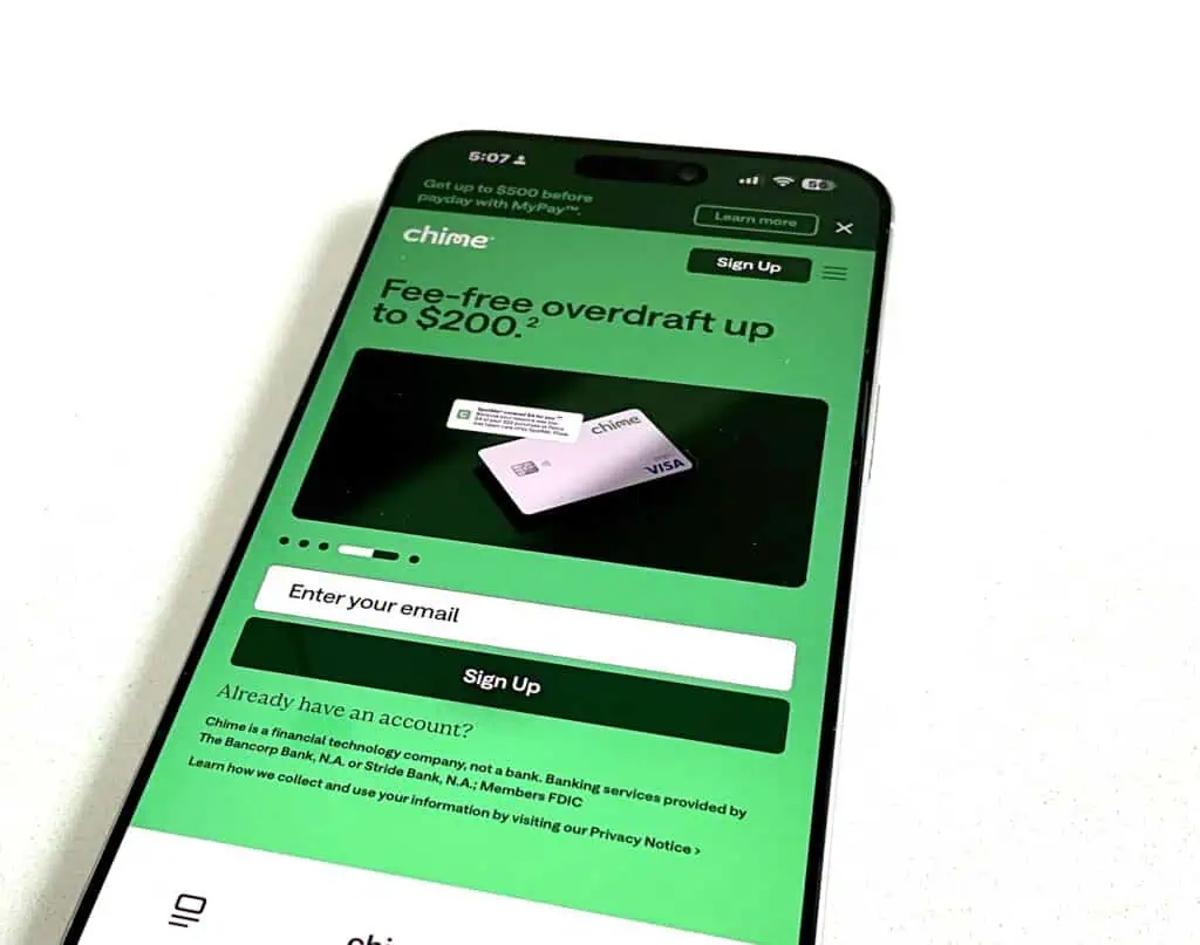
Consumer Fintech Chime Reports YoY Revenue Growth Following US IPO Debut
Companies Mentioned
Why It Matters
The strong top‑line growth and sharp cost efficiencies signal that Chime can scale its core banking model while competing with larger, diversified fintech rivals. Its performance sets a benchmark for the neobank sector’s path to profitability and market share expansion.
Key Takeaways
- •Revenue rose 31% to $2.2 billion in first public year
- •Active members hit 9.5 million, adding 1.5 million YoY
- •Cost‑to‑serve fell nearly 30% over three years
- •Secured credit card drives 70% of new users’ spending
- •Payroll product reached $400 million quarterly revenue run rate
Pulse Analysis
Chime’s debut as a public company underscores the rapid maturation of the neobank space, where digital‑only banks are beginning to attract mainstream investors. By delivering a 31% revenue jump to $2.2 billion, the firm proved that a focus on core checking‑account relationships can generate sizable earnings without the cross‑sell of loans or brokerage services. This growth trajectory is especially notable given the broader fintech landscape, where peers like SoFi and Robinhood rely on diversified revenue streams to offset market volatility.
Operational discipline has been a cornerstone of Chime’s strategy. The migration to its proprietary ChimeCore payments and ledger platform enabled a nearly 30% cut in cost‑to‑serve and a 60% reduction in transaction‑processing expenses, positioning the company well below the cost structures of traditional banks. New product rollouts—such as a secured credit card that now accounts for 70% of spending among recent adopters and an on‑demand payroll service hitting a $400 million quarterly run rate—demonstrate the firm’s ability to monetize its high‑engagement user base while maintaining a fee‑free ethos.
Looking ahead, Chime faces the dual challenge of expanding beyond its current 5% penetration of the U.S. adult market and navigating regulatory scrutiny around credit products. The company’s leadership cites artificial‑intelligence‑driven personalization as a future growth lever, aiming to deepen member relationships and improve revenue per user. However, macroeconomic headwinds that dampen consumer spending could pressure its payments‑centric model. Success will depend on sustaining cost efficiencies, broadening product appeal, and leveraging data advantages to outpace both traditional banks and agile fintech competitors.
Consumer Fintech Chime Reports YoY Revenue Growth Following US IPO Debut
Comments
Want to join the conversation?
Loading comments...