Crypto Cards Are Booming, but What They Mean for the Future Is Unclear
•January 22, 2026
0
Companies Mentioned


Why It Matters
The boom demonstrates crypto’s move from speculative asset to practical payment tool, pressuring incumbents to adapt and offering new revenue streams for fintechs. It also signals potential regulatory and infrastructure changes as stablecoin settlement gains traction.
Key Takeaways
- •Crypto card volume rose from $100M to $1.5B (2023‑2025)
- •Rain secured $250M funding, valuing it near $2B
- •Debit cards convert crypto to fiat at point of sale
- •Credit cards can be crypto‑backed, offering lower interest
- •Future may see stablecoin settlement directly on merchant rails
Pulse Analysis
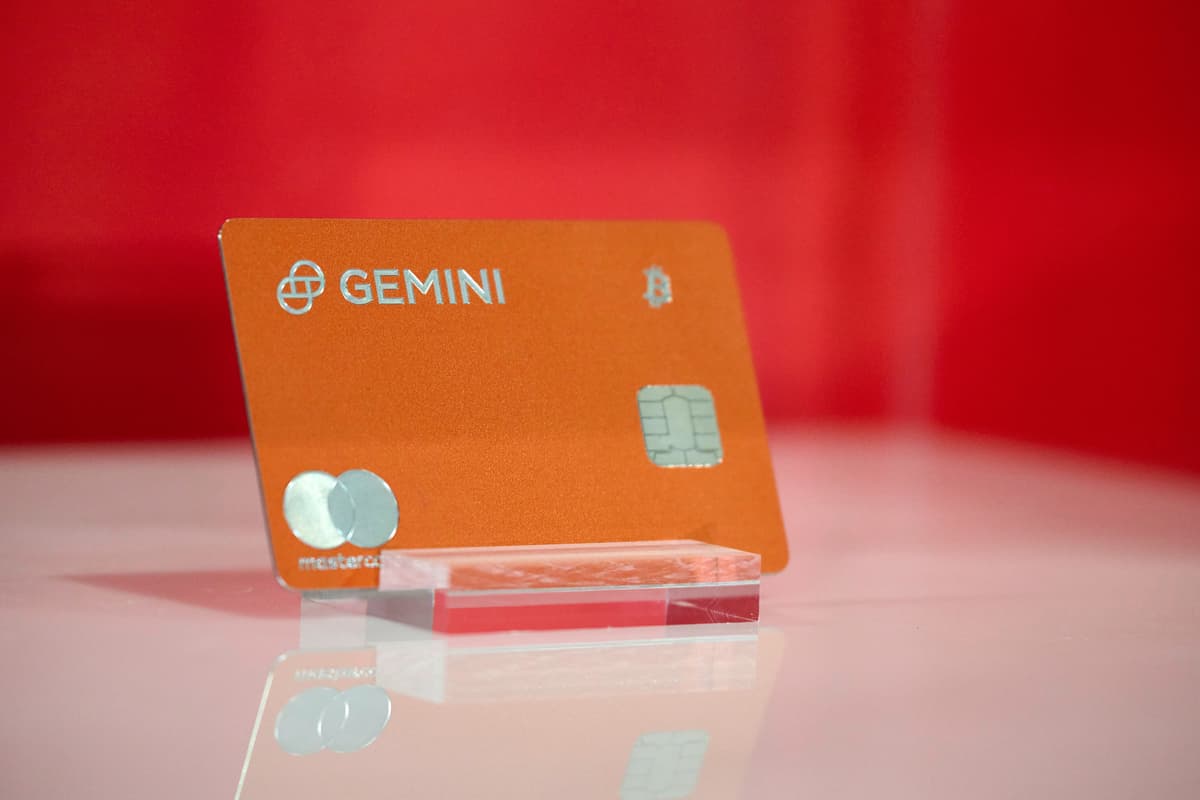
The explosive rise of crypto‑linked cards illustrates how familiar payment interfaces can accelerate digital‑asset adoption. By piggybacking on Visa and Mastercard networks, these cards give holders instant access to over 110 million merchants without requiring merchants to integrate blockchain protocols. This convenience has turned a marginal $100 million monthly volume in early 2023 into a $1.5 billion stream by late 2025, attracting venture capital that now values infrastructure providers like Rain at nearly $2 billion. The growth underscores a broader trend: fintechs are leveraging existing consumer habits to introduce blockchain benefits, effectively normalizing crypto in everyday commerce.
From a technical standpoint, crypto debit cards act as fiat converters, swapping tokens for dollars at the point of sale, while crypto‑backed credit cards let users pledge digital assets as collateral for lower‑interest lines. These models sidestep the tax complexities of capital gains when stablecoins are used, and they generate crypto‑denominated rewards that deepen user engagement. The hybrid nature of these products—part traditional credit, part decentralized finance—creates a new revenue layer for issuers and offers users a low‑friction bridge between holding and spending digital wealth.
Looking ahead, the next wave may see DeFi‑linked cards that automatically allocate spendable balances into yield‑generating protocols, and merchants gaining the option to settle directly in stablecoins. Such capabilities could reduce settlement times, cut fees, and open cross‑border payments to near‑instant conversion. However, widespread adoption hinges on regulatory clarity and merchant willingness to handle crypto settlements. If these hurdles are cleared, crypto‑linked cards could evolve from a convenient add‑on into a core component of the global payments ecosystem, reshaping how value moves between fiat and digital realms.
Crypto cards are booming, but what they mean for the future is unclear
0
Comments
Want to join the conversation?
Loading comments...