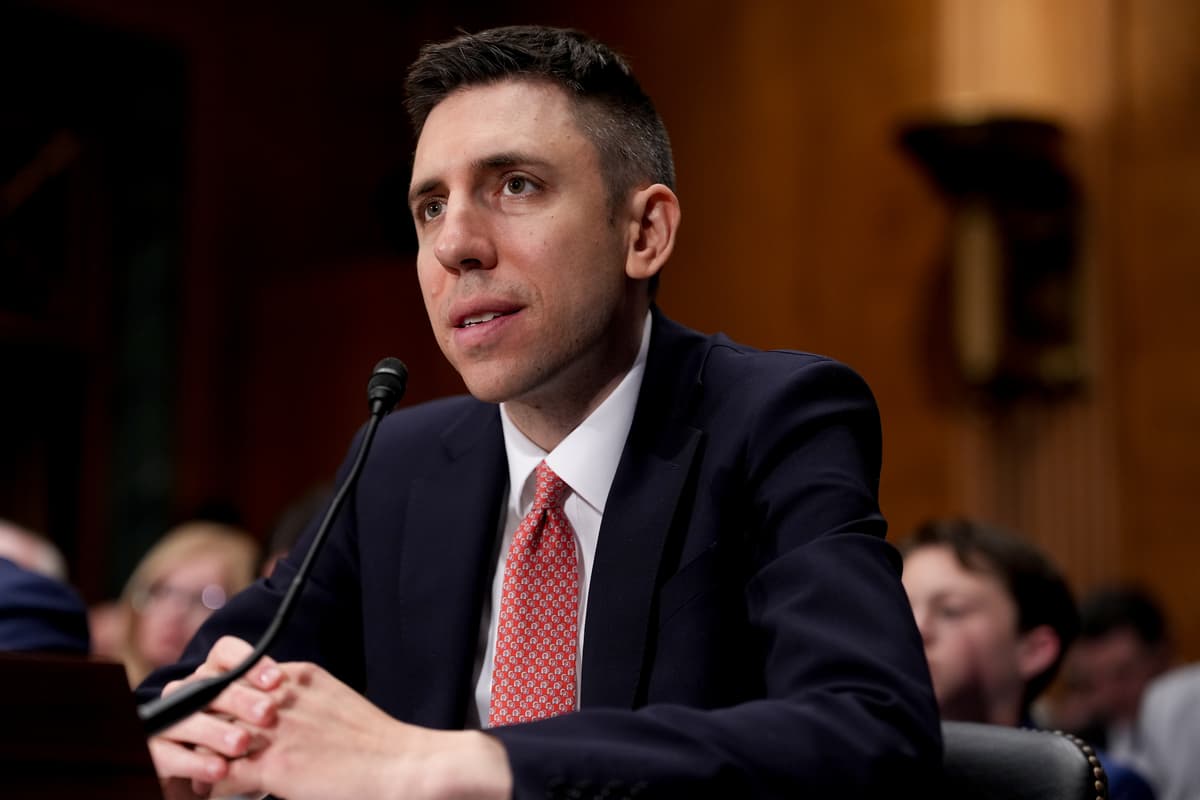
FDIC Adds Banker to Regulatory Appeals Board in Final Rule
Companies Mentioned

Why It Matters
The changes increase regulatory transparency and give banks a clearer, more balanced avenue to contest enforcement‑related decisions, potentially reducing litigation risk and fostering industry‑regulator collaboration.
Key Takeaways
- •FDIC panel now must include former banker
- •Appeals now cover enforcement‑related supervisory findings
- •New Office of Supervisory Appeals ensures independence
- •OCC plans similar rule, aligning regulator standards
- •Fixed‑term staff report directly to FDIC chair
Pulse Analysis
The FDIC’s latest rule marks a significant shift in how supervisory determinations are reviewed, introducing a hybrid panel that blends regulatory expertise with industry insight. By requiring at least one former banker on the three‑member appeal board, the agency aims to inject practical banking perspectives into the appellate process while preserving rigorous supervisory standards. This balance is expected to enhance the credibility of decisions and reduce perceived bias, addressing long‑standing concerns from financial institutions about opaque enforcement mechanisms.
Beyond panel composition, the rule expands banks’ rights to appeal findings that form the basis of enforcement actions, excluding only those tied to unsafe practices or anti‑money‑laundering violations. This broader appellate scope offers institutions a formal channel to contest potentially costly regulatory judgments before they crystallize into enforcement, potentially lowering litigation costs and fostering more collaborative resolution pathways. The creation of an independent Office of Supervisory Appeals, staffed by fixed‑term officials reporting directly to the FDIC chair, further underscores a commitment to consistency, transparency, and procedural fairness across the supervisory landscape.
The ripple effect extends to other regulators, notably the Office of the Comptroller of the Currency, which has signaled intent to adopt a similar framework. Harmonizing appeal structures across agencies could streamline compliance for multi‑state banks and reduce regulatory arbitrage. As the banking sector navigates heightened scrutiny and evolving risk profiles, these reforms provide a clearer, more predictable regulatory environment, supporting both stability and innovation within the financial system.
FDIC adds banker to regulatory appeals board in final rule
Comments
Want to join the conversation?
Loading comments...