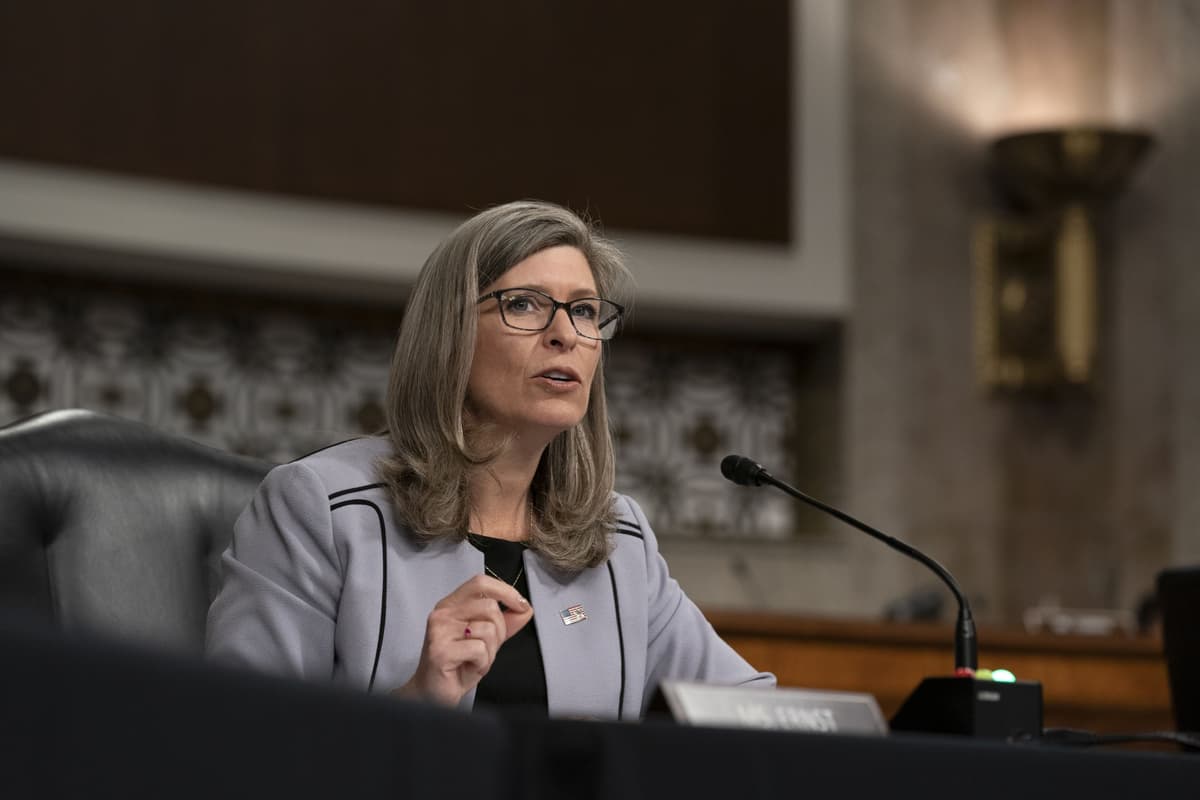
FDIC Watchdog Pushes Back on Ernst Whistleblower Claims
•January 6, 2026
0
Companies Mentioned

Federal Deposit Insurance Corp.

Arizent
Why It Matters
The refutation curtails political pressure on the FDIC, reinforcing confidence in its oversight mechanisms and signaling that internal controls are effective. It also limits potential legislative scrutiny and resource diversion toward unfounded accusations.
Key Takeaways
- •Inspector General refutes most Ernst whistleblower allegations
- •No anomalous DIF spending or equipment misuse found
- •Miami field office predates alleged favoritism, established 2019
- •Travel claim error cost $122.44; saved agency $5k
- •Prior complaints reviewed, closed by Integrity Committee
Pulse Analysis
The FDIC’s Office of Inspector General (OIG) has faced heightened scrutiny after Sen. Joni Ernst publicized a series of whistleblower complaints alleging financial mismanagement and favoritism. By systematically reviewing budget data, travel vouchers, and procurement records, the OIG demonstrated that the alleged anomalies were either minor clerical errors or mischaracterizations. This thorough rebuttal not only shields the FDIC from political fallout but also underscores the agency’s commitment to transparency and fiscal responsibility, reinforcing stakeholder trust in the nation’s deposit insurance system.
Beyond the immediate dispute, the findings highlight broader themes in federal oversight. The confirmation that the Miami field office was established in 2019, driven by regional fraud trends, illustrates how strategic resource allocation can preempt accusations of nepotism. Moreover, the clarification that hiring practices, while perceived as insular due to inter‑agency transfers, complied with legal standards, reflects the nuanced balance between expertise consolidation and perceived favoritism. These insights are valuable for policymakers assessing the effectiveness of watchdog structures across government entities.
For industry observers, the episode serves as a case study in managing reputational risk amid politicized allegations. The OIG’s ability to produce concrete evidence—showing a $122.44 travel discrepancy that actually resulted in $5,000 savings—demonstrates the importance of robust internal audit trails. Organizations can learn from the FDIC’s proactive communication strategy, which combined detailed data sharing with collaborative outreach to the senator’s office, thereby mitigating potential regulatory escalations and preserving operational focus.
FDIC watchdog pushes back on Ernst whistleblower claims
0
Comments
Want to join the conversation?
Loading comments...