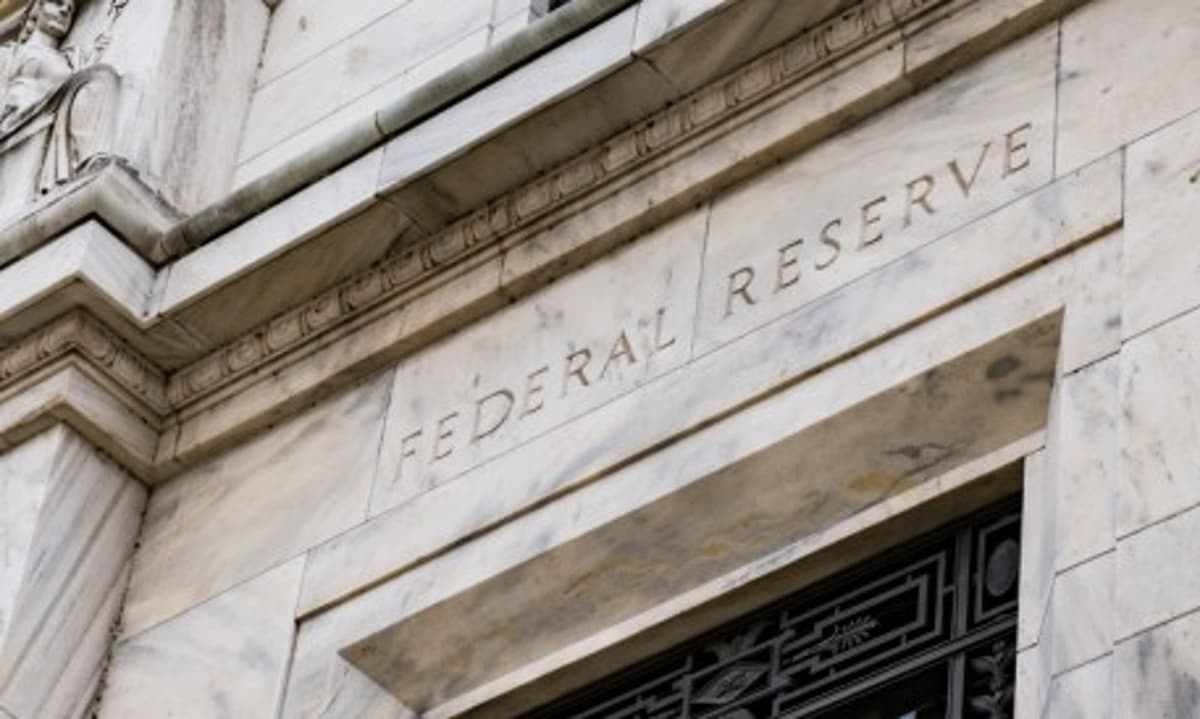
Fed Account Access Raises Questions Over FinTech Readiness
Why It Matters
Direct Fed payment rails could cut transaction costs and accelerate settlements for fintechs, yet the rigorous risk‑management requirements may limit adoption and test operational readiness.
Key Takeaways
- •Executive order pushes agencies to reduce barriers for fintechs
- •Fed proposes special‑purpose payment accounts with no interest or credit
- •Accounts limited to $1 billion and exclude discount‑window access
- •Direct settlement could lower costs and reduce reliance on sponsor banks
- •Firms must meet robust AML, fraud and liquidity standards
Pulse Analysis
The May 2026 executive order signed by President Trump marks a decisive shift toward integrating fintech innovation into the nation’s regulatory fabric. By directing agencies to streamline entry barriers, the White House signaled that the next frontier is not merely who can join the payment system, but how they can operate within it. The Federal Reserve’s May 20 proposal reflects that mandate, introducing a narrow class of “payment accounts” that grant direct access to Fedwire and the FedNow service while deliberately omitting traditional banking perks such as interest earnings and discount‑window borrowing. This design balances the desire for broader fintech participation with the Fed’s mandate to preserve system safety.
For fintech firms, the ability to settle payments directly on the Federal Reserve’s rails could be transformative. Eliminating the need for sponsor banks may reduce transaction fees, speed up real‑time settlement, and enable new treasury‑management models that leverage always‑on money movement. Companies focused on payments and digital‑asset settlement stand to gain a competitive edge, especially as real‑time liquidity becomes a differentiator in B2B commerce. However, the proposal also imposes a $1 billion balance ceiling and strips away intraday credit, meaning firms must fund settlements from their own liquidity pools, reshaping cash‑flow strategies.
The trade‑off lies in the heightened compliance burden. The Fed requires payment‑account holders to demonstrate robust Bank Secrecy Act, AML, sanctions, fraud‑monitoring, and operational‑resilience frameworks—areas traditionally managed by sponsor banks. This shift forces fintechs to internalize risk‑management capabilities, potentially raising costs and creating a barrier for smaller innovators. As regulators fine‑tune the Payment System Risk Policy and Account Access Guidelines, the industry will watch closely to see whether the balance of reduced operational friction and increased compliance responsibility proves sustainable. The outcome will shape the next wave of fintech‑bank collaboration and the architecture of America’s real‑time payments ecosystem.
Fed Account Access Raises Questions Over FinTech Readiness
Comments
Want to join the conversation?
Loading comments...