Fed 'Skinny Accounts' Take Early Heat From Crypto, Fintechs
•February 6, 2026
0
Companies Mentioned

Financial Technology Association

Bank Policy Institute

Independent Community Bankers of America

american bankers association (aba)

eBay
EBAY

Klarna
KLAR

Amazon
AMZN

National Mortgage News
Why It Matters
The account design will determine how non‑bank payment innovators tap central‑bank liquidity, shaping competition, cost structures, and systemic risk in the U.S. payments market.
Key Takeaways
- •Fed proposes limited “skinny” accounts for fintech, crypto
- •Fintech groups demand ACH access and higher balance caps
- •Crypto consortium seeks 30‑40% cap increase, Fedwire Securities
- •Banks request 30‑day comment period extension
- •Final rule targeted for Q4 2026
Pulse Analysis
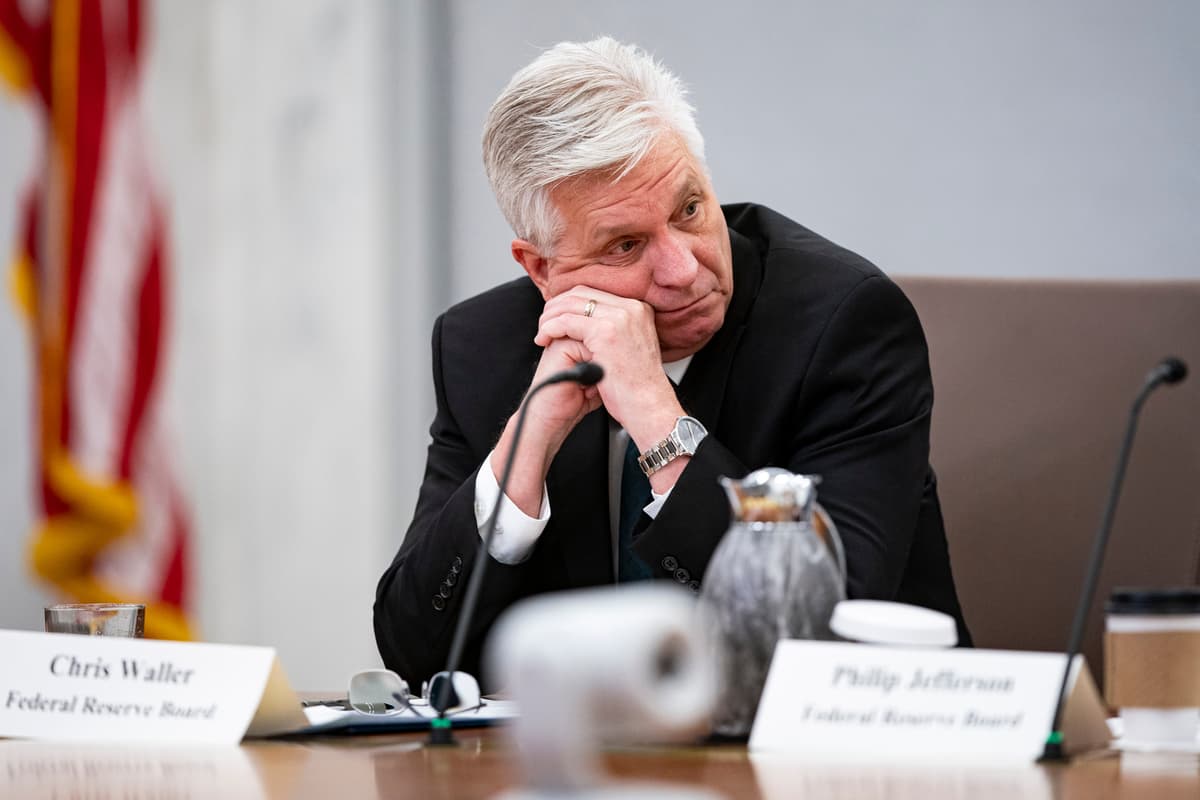
The Federal Reserve’s “skinny” master account concept is a modest attempt to open its payment infrastructure to non‑bank participants. By granting eligible fintech firms and crypto‑related entities access to services such as Fedwire Funds, the Fed hopes to spur competition, lower transaction costs and accelerate innovation in the U.S. payments ecosystem. The proposal, first outlined by Governor Christopher Waller in October, limits the account’s functionality to free‑transfer services and imposes an overnight balance ceiling tied to either $500 million or 10 percent of total assets. A public comment window closes on February 6, 2026, with a target rollout in the fourth quarter of 2026.
Fintech and digital‑asset groups quickly flagged the design’s constraints as counterproductive. The Financial Technology Association argues that excluding the Automated Clearing House (ACH) defeats the purpose of direct Fed access, forcing firms to rely on traditional banks for routine payroll and bill‑payment flows. It also criticizes the blanket balance cap, urging a metric linked to payment volume rather than balance‑sheet size. Meanwhile, the Blockchain Payment Consortium contends that the same cap severely understates the $4 trillion digital‑asset market and proposes a 30‑40 percent increase, along with access to Fedwire Securities to settle Treasury purchases without intermediary banks.
These industry pushbacks underscore a broader regulatory dilemma: balancing systemic risk mitigation with the desire to modernize the nation’s payment backbone. Banking associations, citing the need for thorough analysis, have asked for a 30‑day extension to the comment period, reflecting concerns about credit exposure and operational readiness. If the Fed adopts the suggested relaxations, fintechs could achieve lower funding costs and faster settlement, potentially reshaping the competitive landscape for stablecoin issuers and payment processors. Conversely, a more restrictive rule may preserve the status quo, keeping banks as indispensable intermediaries and limiting the pace of fintech‑driven disruption.
Fed 'skinny accounts' take early heat from crypto, fintechs
0
Comments
Want to join the conversation?
Loading comments...