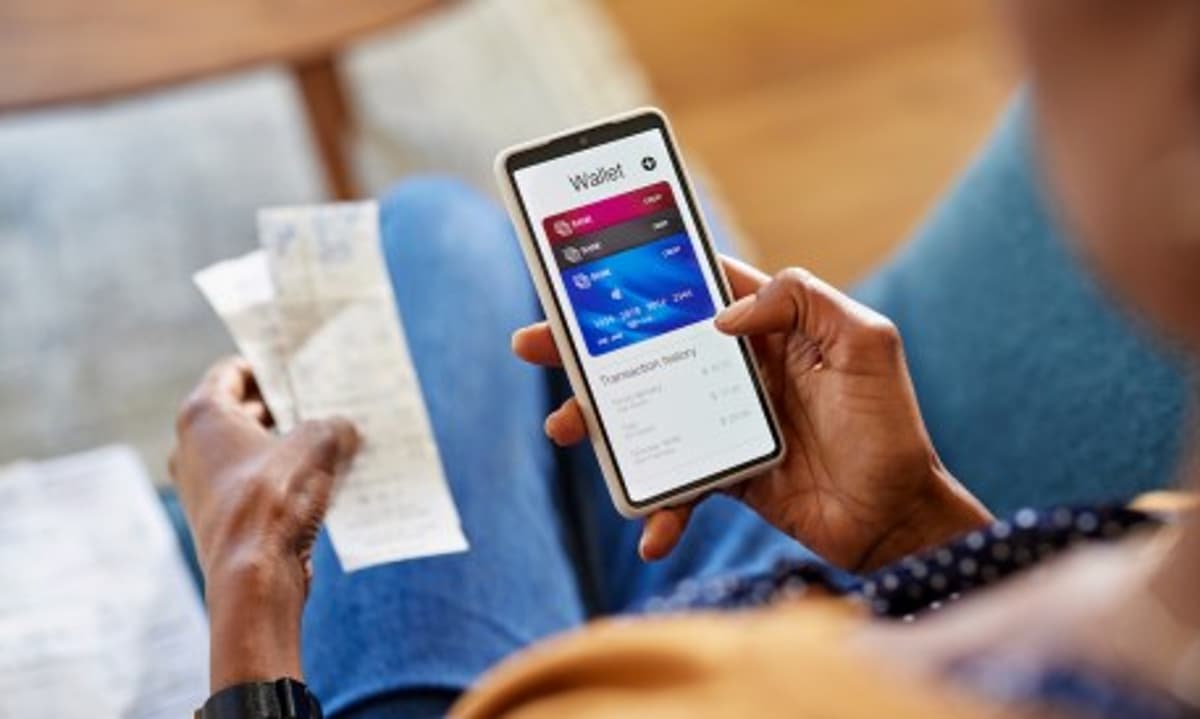
Financial Stress Drives a 17-Point Jump in Digital Wallet Use
•January 22, 2026
0
Companies Mentioned


Why It Matters
The shift signals retailers must adapt payment experiences and loyalty strategies to capture financially‑stressed shoppers, while fintech firms see accelerated wallet adoption as a growth engine.
Key Takeaways
- •High-stress shoppers use digital wallets twice as often
- •Digital wallet use rose 50% since March 2024
- •Gen Z digital wallet adoption reached 36% in November
- •Stressed shoppers favor Walmart, avoid Amazon, choose Target
- •Average basket size for stressed online shoppers $169 vs $96
Pulse Analysis
Financial pressure is reshaping the checkout landscape, turning digital wallets into more than a convenience. As households grapple with paycheck‑to‑paycheck realities, they gravitate toward payment solutions that bundle budgeting, short‑term credit, and spend‑tracking features. The PYMNTS report highlights that stressed consumers are not only more likely to shop online but also to consolidate purchases, driving higher average ticket sizes. This behavior reduces shipping costs and limits impulse buying, while the wallet’s budgeting overlay helps users monitor cash flow in real time.
Retailers must recognize that digital‑wallet adoption is now a proxy for consumer financial health. High‑stress shoppers show a clear preference for value‑oriented retailers like Walmart and Target, while shunning premium platforms such as Amazon. Brands that integrate wallet incentives—instant discounts, cash‑back, or budgeting dashboards—can capture a larger share of this segment. Moreover, Gen Z’s rapid uptake, jumping to 36% usage, signals a generational tilt toward integrated fintech experiences, urging merchants to prioritize seamless wallet checkout flows.
For fintech providers, the data underscores an acceleration opportunity. Wallets that embed short‑term credit lines or expense‑management tools become essential for consumers seeking to avoid traditional revolving debt. As adoption outpaces credit‑card reliance among stressed households, providers can differentiate by offering transparent fee structures and real‑time spending insights. Ultimately, the convergence of financial stress and digital‑wallet growth will reshape payment ecosystems, compelling retailers and fintechs alike to innovate around affordability, transparency, and user‑centric budgeting features.
Financial Stress Drives a 17-Point Jump in Digital Wallet Use
0
Comments
Want to join the conversation?
Loading comments...