From Spending to Investing: How Digital Payments Are Reshaping Modern Money Habits
Why It Matters
The seamless data loop created by digital payments accelerates financial awareness, enabling more people to save and invest without traditional friction, which could broaden wealth‑building across demographics.
Key Takeaways
- •Tap‑to‑pay removes the mental pause before spending
- •Automatic transaction tagging reveals hidden expense patterns
- •Auto‑round‑up features turn everyday purchases into savings
- •Low‑minimum investment options open markets to beginners
- •Integrated platforms link spending data to investment decisions
Pulse Analysis
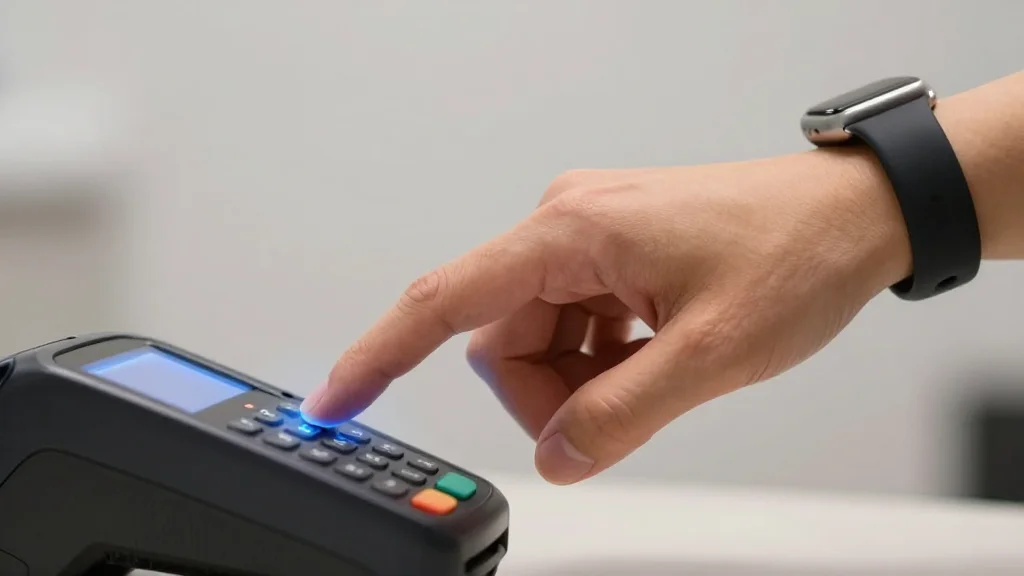
The rapid adoption of contactless cards, mobile wallets and integrated banking apps has turned digital payments into the default method for most consumers. Beyond convenience, the technology reshapes the psychology of money: each tap bypasses the tactile cue of cash leaving the hand, making purchases feel less tangible. However, the same infrastructure that speeds transactions also generates a continuous stream of granular data, automatically categorising every expense in real time. This visibility, once reserved for accountants, now sits on the average consumer’s phone, allowing users to spot recurring subscriptions, small‑value leaks, and spending trends that were previously invisible.
Armed with this insight, users can move from passive observation to proactive financial management. Many platforms now embed one‑click savings tools—round‑up purchases, scheduled transfers, and rule‑based allocations—that divert a portion of each transaction into dedicated accounts without requiring daily decisions. The frictionless nature of these features means that saving becomes a default outcome rather than a conscious sacrifice. As balances grow, the same ecosystem often offers low‑minimum investment products, from fractional shares to automated portfolios, allowing individuals to start investing with as little as $100. By keeping spending, saving and investing within a single interface, the journey from paycheck to portfolio becomes a continuous, data‑driven loop.
While the benefits are clear, the ease of digital payments also introduces risks. The lack of a physical checkpoint can encourage overspending, and automated subscriptions may persist unnoticed without regular review. Moreover, the democratisation of investing demands that platforms pair low‑barrier entry with robust education to prevent novice investors from underestimating risk. Users who combine disciplined review habits—weekly transaction checks, category limits, and purposeful use of alerts—with the built‑in automation tools stand to gain the most. In essence, digital payments are not just a payment method; they are a catalyst for a more transparent, habit‑centric approach to personal finance that can expand wealth creation if managed intentionally.
From Spending to Investing: How Digital Payments Are Reshaping Modern Money Habits
Comments
Want to join the conversation?
Loading comments...