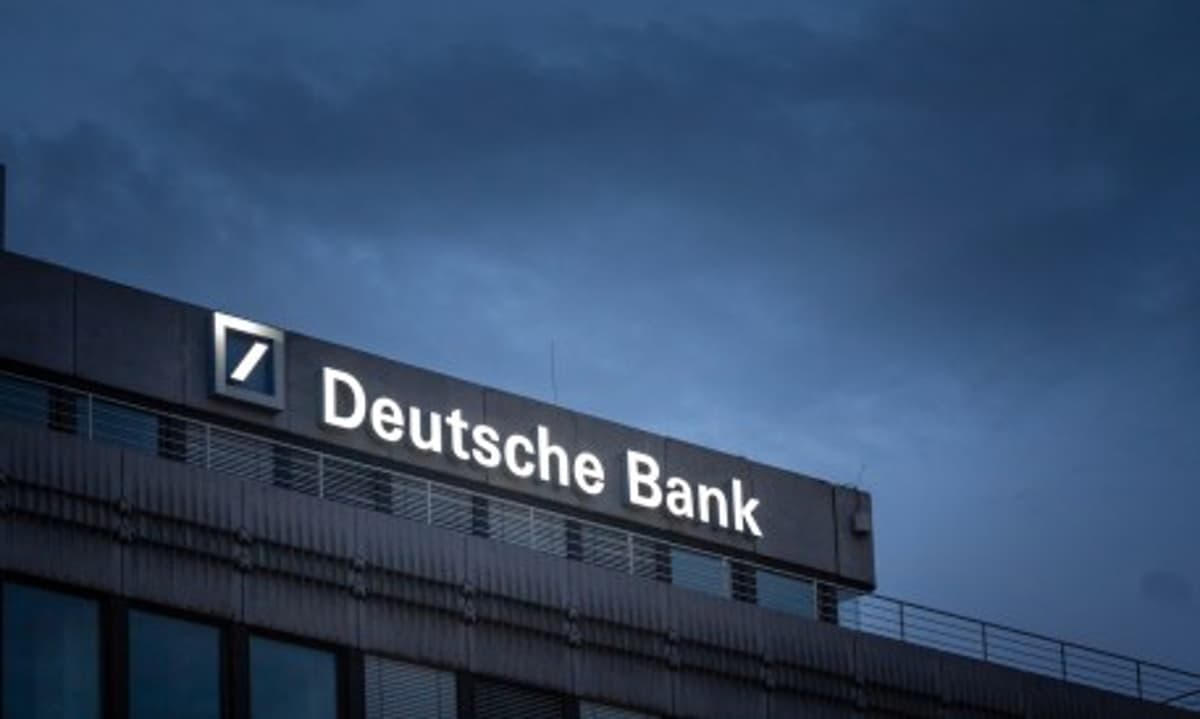
German Authorities Raid Deutsche Bank Offices in Alleged Money Laundering Case
•January 28, 2026
0
Companies Mentioned

Why It Matters
The raid highlights lingering AML compliance gaps at Deutsche Bank, jeopardizing its turnaround and shaking investor confidence, while signaling intensified regulatory pressure on European banks.
Key Takeaways
- •Shares dropped 3.4% following the raids
- •Prosecutors targeted unknown employees linked to foreign entities
- •Deutsche Bank pledges full cooperation with investigators
- •Ongoing probe coincides with upcoming Q4 earnings release
- •Past AML failures have pressured the bank’s leadership
Pulse Analysis
The latest raids on Deutsche Bank underscore the growing vigilance of German authorities toward anti‑money‑laundering (AML) controls. Over the past decade, the lender has faced multiple investigations ranging from sanctions breaches to illicit cash transfers, prompting regulators to demand tighter oversight. While the current search targets unnamed employees tied to foreign counterparties, it reflects a broader pattern: European supervisors are increasingly willing to deploy on‑site inspections to verify that banks have fortified their transaction monitoring systems and internal reporting lines.
Market participants reacted swiftly, with Deutsche Bank’s stock tumbling more than three percent after the announcement. The timing is especially critical as the bank prepares to release its fourth‑quarter results, a report already under pressure from lingering profitability concerns and cost‑cutting initiatives. CEO Christian Sewing, who has been steering a multi‑year turnaround, now faces renewed scrutiny over the effectiveness of the compliance overhaul he promised. Investors are weighing the potential earnings impact of any fines or remediation costs against the bank’s progress in restoring its reputation and stabilizing its balance sheet.
Beyond Deutsche Bank, the incident signals a shifting regulatory landscape for Europe’s banking sector. Stricter AML expectations are driving up compliance expenditures, prompting banks to invest in advanced analytics, AI‑driven monitoring, and cross‑border data sharing. At the same time, divergent standards between the EU and the United States create competitive tensions, as U.S. lenders may benefit from comparatively looser rules. The German raid therefore serves as a cautionary tale: institutions that fail to embed robust AML frameworks risk not only legal penalties but also market penalties that can erode shareholder value and hinder strategic growth.
German Authorities Raid Deutsche Bank Offices in Alleged Money Laundering Case
0
Comments
Want to join the conversation?
Loading comments...