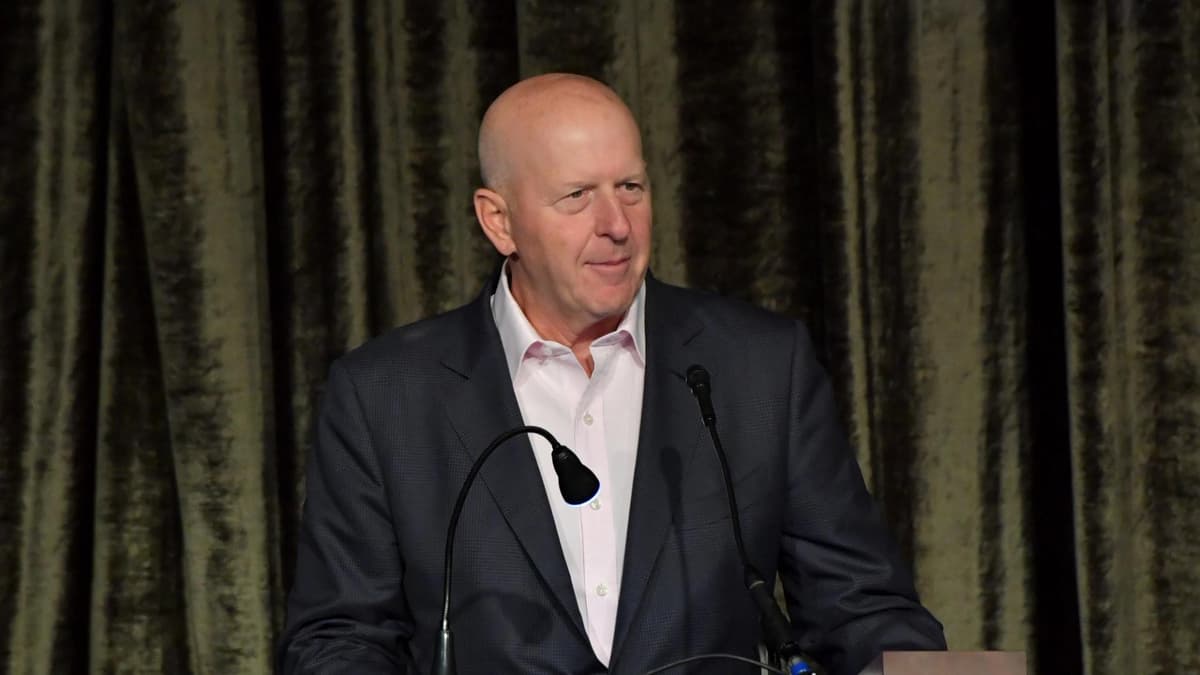
Goldman Is 'Spending a Lot of Time' On Crypto, Prediction Markets Efforts, CEO Solomon Says
•January 15, 2026
0
Companies Mentioned


Why It Matters
Goldman’s exploration signals mainstream banking’s shift toward regulated digital assets, potentially reshaping institutional trading and influencing policy direction.
Key Takeaways
- •Goldman studies tokenization, stablecoins for trading
- •CEO met with major prediction‑market firms
- •Focus on CFTC‑regulated platforms like Kalshi
- •Active dialogue with policymakers on Digital Asset Clarity Act
Pulse Analysis
Goldman Sachs’ heightened focus on tokenization and stablecoins reflects a broader industry trend where traditional financial institutions seek to embed blockchain‑based assets into existing portfolios. By leveraging tokenized securities, banks can offer fractional ownership, improve liquidity, and reduce settlement times, aligning with client demand for faster, more transparent investment vehicles. Goldman’s internal task force, described by CEO David Solomon as "enormous," indicates the firm is allocating significant resources to understand regulatory nuances and operational integration, positioning itself ahead of competitors still testing the waters.
The firm’s outreach to prediction‑market platforms underscores a strategic interest in CFTC‑regulated venues such as Kalshi and Polymarket. Prediction markets provide real‑time price discovery on a range of outcomes, from macroeconomic indicators to commodity prices, offering a novel data source for trading desks. By partnering with these platforms, Goldman could develop proprietary analytics or structured products that monetize crowd‑sourced forecasts, potentially opening new revenue streams while adhering to strict compliance frameworks.
Simultaneously, Goldman’s engagement with lawmakers over the Digital Asset Market Clarity Act highlights the importance of shaping policy that balances innovation with investor protection. Active participation in the legislative process allows the bank to influence rules around stablecoin yields, custody standards, and market infrastructure. As regulators converge on a clearer framework, institutions like Goldman that have already invested in expertise stand to capture market share, accelerate product launches, and reinforce their reputation as leaders in the evolving digital‑asset ecosystem.
Goldman is 'spending a lot of time' on crypto, prediction markets efforts, CEO Solomon says
0
Comments
Want to join the conversation?
Loading comments...