Helping Businesses Optimize Network Costs with the Visa Digital Commerce Authentication Program (DCAP)
Why It Matters
DCAP creates a tangible cost‑saving lever for online retailers while preserving authorization rates, and Stripe’s intelligent routing makes the program accessible without sacrificing conversion.
Key Takeaways
- •Visa DCAP cuts interchange by 5 basis points for qualifying transactions
- •Stripe's Authorization Boost selects Data Only 3DS per transaction
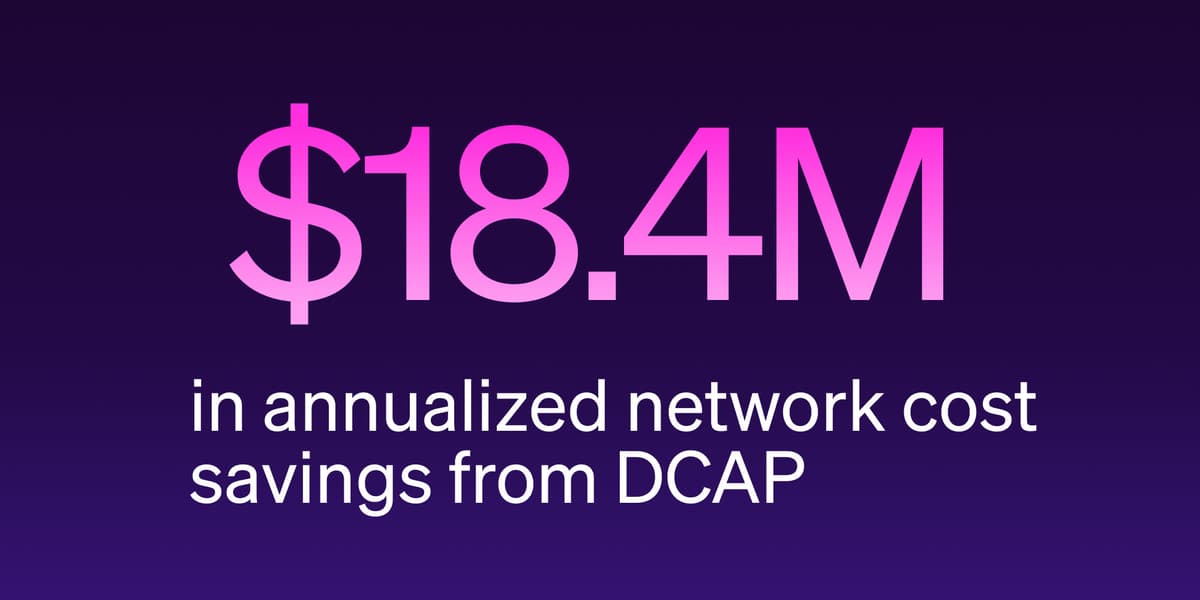
- •$18.4 M annual savings captured since April 2024
- •Eligible transactions rose eightfold after data sharing implementation
- •Automatic DCAP benefits require required data fields and flow_preference setting
Pulse Analysis
The Visa Digital Commerce Authentication Program reflects a broader shift in card‑network strategy toward data‑rich authentication. By rewarding merchants that transmit device identifiers, billing addresses, IPs and emails, Visa aims to curb card‑not‑present fraud while trimming interchange fees. This aligns with regulators’ push for stronger authentication standards and offers a competitive edge to issuers that can leverage granular risk signals. For merchants, the program promises lower transaction costs, but the operational complexity of integrating new data fields has been a barrier to adoption.
Stripe’s Authorization Boost tackles that friction by applying a machine‑learning model that evaluates each payment in real time. Instead of blanket 3‑DS exemptions, the tool decides whether to invoke Data‑Only 3‑DS, balancing potential interchange savings against possible declines in conversion. Early results show an eightfold increase in DCAP‑eligible transactions and $18.4 million in annualized savings, demonstrating that dynamic, transaction‑level intelligence can unlock network incentives without harming the checkout experience. The approach also mitigates latency concerns, as only the most beneficial transactions undergo the extra data exchange.
For the wider e‑commerce ecosystem, DCAP and Stripe’s automation signal a future where richer data sharing becomes the norm rather than the exception. As more merchants adopt the required fields—often already collected for fraud prevention—the marginal cost of participation shrinks, encouraging broader network participation. Other card schemes are likely to introduce similar programs, making flexible, data‑driven authentication a strategic priority for payment processors and merchants alike. Companies that invest early in the necessary infrastructure will capture cost efficiencies and maintain higher authorization rates, positioning themselves competitively in an increasingly data‑centric payments landscape.
Helping businesses optimize network costs with the Visa Digital Commerce Authentication Program (DCAP)
Comments
Want to join the conversation?
Loading comments...