How Banks Are Competing with Fintech Apps for Small Businesses
Companies Mentioned

Why It Matters
Small‑business payments represent a larger share of bank revenue than consumer debit, so losing them erodes fee income and cross‑selling opportunities. Demonstrating a full‑service, secure, and cost‑effective alternative helps banks defend a critical growth segment.
Key Takeaways
- •Banks launch white‑label tap‑to‑pay within business accounts.
- •Zelle offers free, instant transfers targeting small‑business liquidity.
- •Security and lower fees positioned as advantages over fintech apps.
- •Traditional banks provide dedicated support and full merchant services.
- •Fintech apps attract startups, but scaling firms migrate to banks.
Pulse Analysis
The migration of small‑business merchants to peer‑to‑peer payment apps reflects a broader consumerization of finance. Platforms such as Venmo, Cash App, and Square have lowered the barrier to entry, allowing micro‑vendors to accept card payments with a smartphone. This convenience, combined with the familiarity of personal accounts, has drawn a new generation of entrepreneurs away from traditional banking relationships, threatening a historically lucrative segment for banks that relies on debit‑card interchange fees and ancillary services.
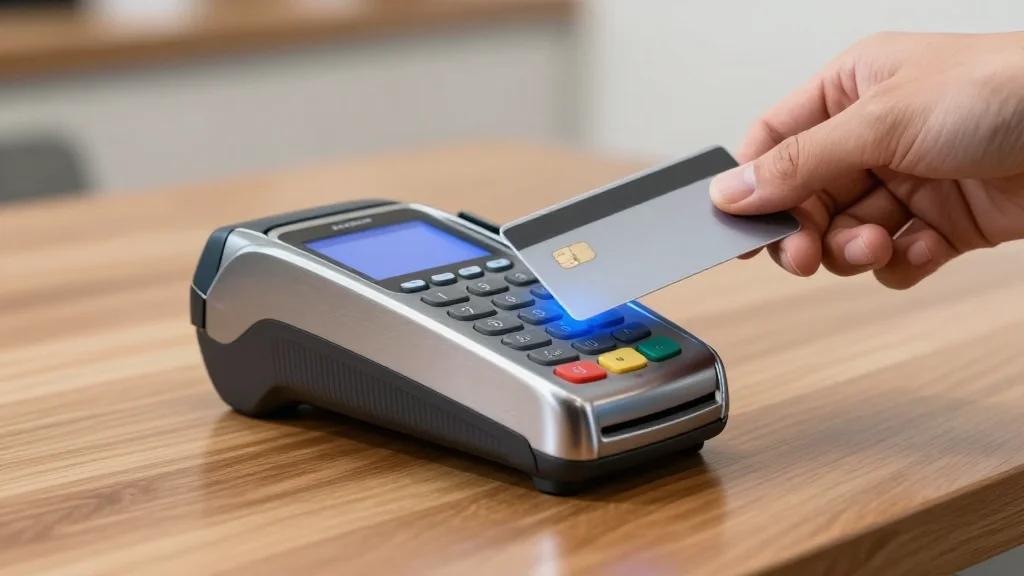
In response, banks are leveraging their existing infrastructure to recreate the seamless experience fintech offers while adding layers of security and cost efficiency. White‑label tap‑to‑pay solutions, like Moov’s Tap to Local, embed card‑acceptance directly into business accounts, eliminating third‑party hardware. Zelle, a bank‑backed instant‑payment network, provides free, near‑real‑time transfers that address liquidity needs. By highlighting lower transaction fees, robust fraud protection, and the ability to roll payments into broader banking products, institutions aim to reposition themselves as the preferred long‑term partner for growing merchants.
The competitive dynamic underscores a strategic pivot for banks: shift from pure deposit‑taking to an integrated payments ecosystem. Success will hinge on how effectively banks can bundle merchant services, credit facilities, and analytics with the convenience users expect from fintech. As small businesses scale, the cost differential and the need for comprehensive support become decisive factors, prompting many to transition back to traditional banks. This evolution suggests a hybrid market where fintech drives acquisition, but banks retain the relationship value through deeper product suites and trusted security, shaping the future of small‑business banking.
How Banks Are Competing with Fintech Apps for Small Businesses
Comments
Want to join the conversation?
Loading comments...