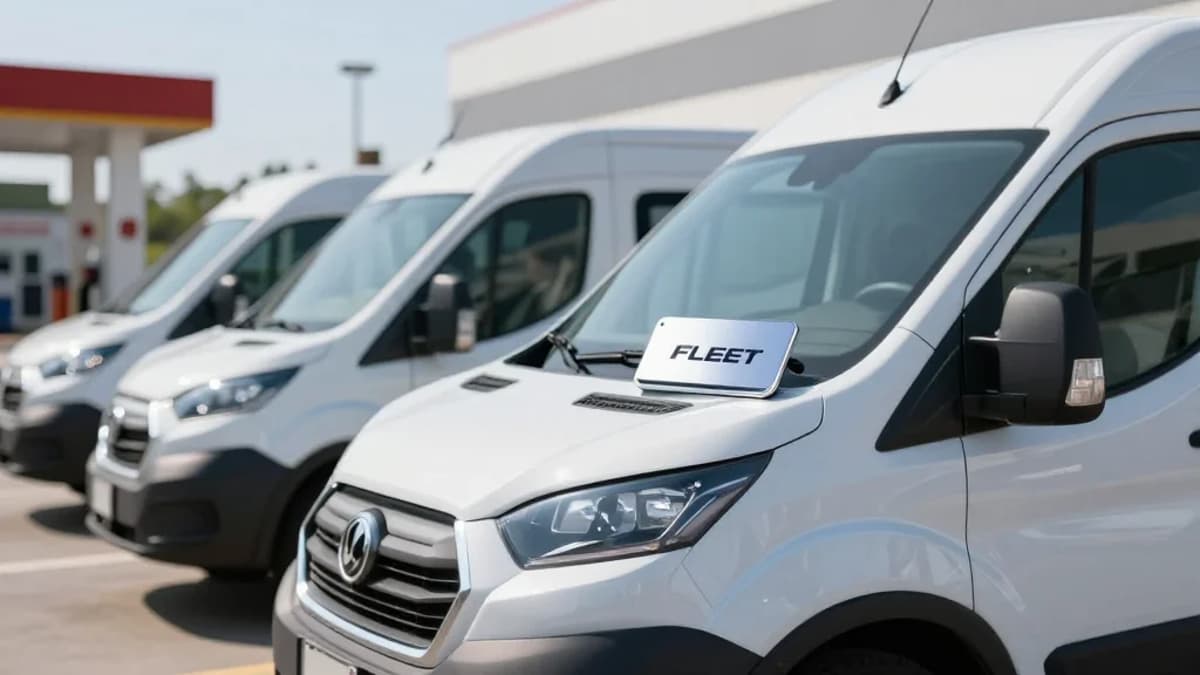
How Fleet Cards Simplify Fuel and Expense Management for Businesses
•January 13, 2026
0
Why It Matters
By automating fuel expense capture and providing granular spend controls, fleet cards cut administrative overhead, improve compliance, and boost bottom‑line profitability for businesses with mobile assets.
Key Takeaways
- •Automatic fuel transaction capture eliminates paper receipts.
- •Real-time data integrates directly with accounting systems.
- •Spend limits and purchase restrictions curb misuse.
- •Tax‑ready reports streamline HMRC compliance.
- •Supplier discounts lower overall fuel costs.
Pulse Analysis
The rapid digitisation of expense management has pushed fleet operators toward smart payment solutions, and fleet cards sit at the centre of this shift. Traditional methods—paper logs, cash reimbursements, and manual reconciliations—are labor‑intensive and prone to error, especially for companies that run dozens or hundreds of vehicles. Fleet cards replace these antiquated processes with electronic transaction capture, delivering instant visibility into fuel consumption patterns and enabling managers to act swiftly on anomalies such as fuel theft or rogue purchases.
Beyond basic transaction logging, modern fleet cards feed data directly into enterprise resource planning (ERP) and accounting platforms via APIs, eliminating duplicate data entry and reducing the risk of human error. This seamless integration not only streamlines month‑end close cycles but also generates HMRC‑compliant reports that simplify tax audits. Advanced analytics derived from card data empower firms to benchmark fuel efficiency, enforce driver‑behaviour policies, and even align with sustainability goals by identifying opportunities to cut fuel use and carbon emissions. The ability to set per‑transaction, daily, or vehicle‑level spend caps further curtails wasteful spending while preserving operational flexibility.
Security and cost optimisation remain pivotal drivers of adoption. Features such as PIN verification, real‑time fraud alerts, and geofencing restrict card usage to authorized locations, mitigating the risk of fraudulent transactions. Meanwhile, fuel suppliers frequently offer volume‑based rebates or discounted rates to cardholders, translating data transparency into tangible savings. Looking ahead, AI‑enhanced predictive analytics and telematics integration are set to deepen the value proposition, allowing firms to anticipate maintenance needs and optimise routing alongside fuel spend. For any business reliant on a mobile workforce, embracing fleet cards is fast becoming a strategic imperative rather than a convenience.
How Fleet Cards Simplify Fuel and Expense Management for Businesses
0
Comments
Want to join the conversation?
Loading comments...