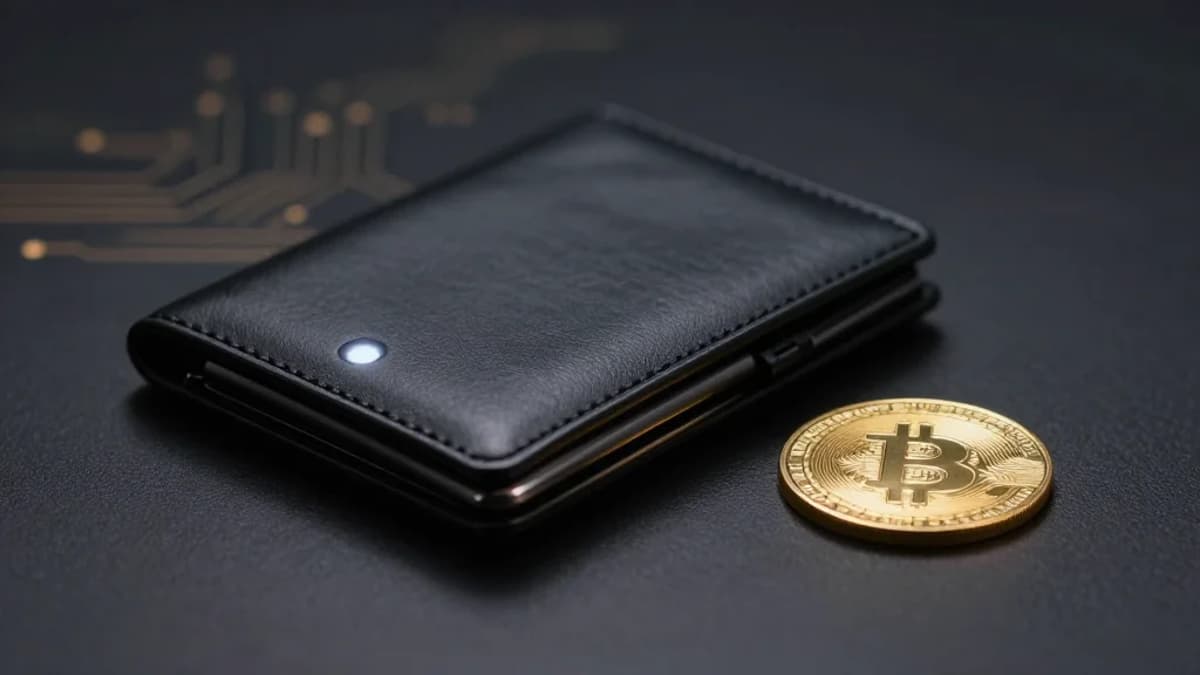
How to Store Your Crypto Safely in Kuwait: Best Cryptocurrency Wallets Compared
•January 13, 2026
0
Companies Mentioned


Why It Matters
Effective wallet selection directly safeguards assets against theft and loss, influencing investor confidence and market stability in Kuwait’s emerging digital‑asset sector.
Key Takeaways
- •Private keys control funds; loss means permanent asset loss
- •Hot wallets enable quick trades but increase hack risk
- •Cold wallets store keys offline, offering highest security
- •Ledger Nano S and Trezor lead hardware wallet market
- •Hybrid approach balances accessibility with long‑term protection
Pulse Analysis
Kuwait’s rapid embrace of digital assets has turned cryptocurrency wallets into a cornerstone of financial security. While the Central Bank of Kuwait remains cautious, local investors are increasingly aware that the responsibility for safeguarding private keys rests entirely with them. This shift mirrors global trends where custodial solutions are limited, making self‑custody the default model. Consequently, understanding the mechanics of public‑key cryptography and the distinction between hot and cold storage is essential for anyone looking to protect capital in a market that blends high growth potential with regulatory uncertainty.
Hot wallets—web, mobile, and desktop apps—deliver instant access for day‑to‑day trading but expose private keys to internet‑connected threats. Software solutions such as Coinomi, Exodus, and Trust Wallet provide user‑friendly interfaces and multi‑currency support, yet their security hinges on device hygiene and strong passwords. In contrast, cold wallets keep keys offline, dramatically reducing hack vectors. Leading hardware devices like Ledger Nano S and Trezor combine secure enclaves with recovery seed backups, making them the preferred choice for long‑term hodlers. For Bitcoin purists, desktop‑only options like Electrum or Armory add layers of encryption and multi‑signature capabilities.
The most resilient strategy blends both worlds: retain a modest amount of crypto in a hot wallet for liquidity, while allocating the bulk of holdings to a hardware or paper cold storage solution. Regular practices—enabling two‑factor authentication, backing up recovery phrases in encrypted offline media, and updating firmware—further harden defenses against evolving threats. As the Kuwaiti ecosystem matures, emerging standards such as hardware‑backed multi‑signature wallets and decentralized identity protocols are likely to raise the security baseline, rewarding users who adopt proactive safeguards today.
How to Store Your Crypto Safely in Kuwait: Best Cryptocurrency Wallets Compared
0
Comments
Want to join the conversation?
Loading comments...