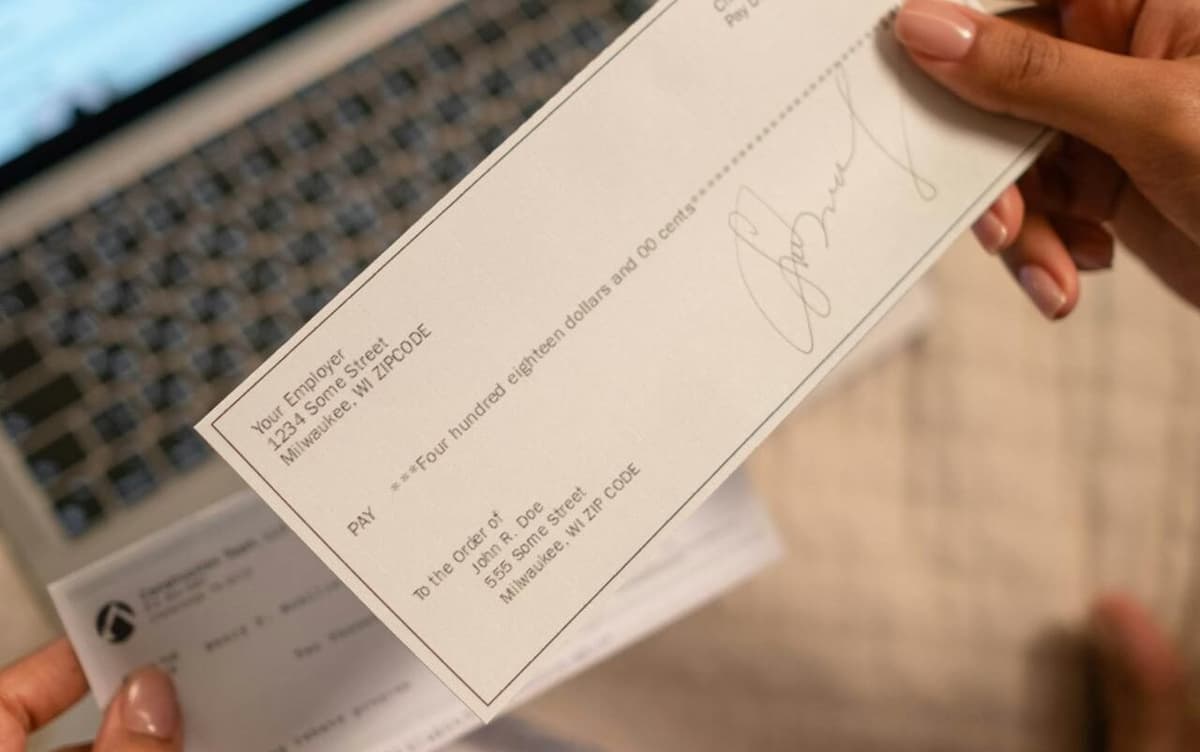
It Seems People Are Still Confused About How to Handle Our First Tax Season Without Checks
Why It Matters
The shift accelerates nationwide digital payment adoption, cutting costs and fraud while reshaping tax refund processes for individuals and businesses.
Key Takeaways
- •Executive order bans federal checks by Sep 30 2025
- •IRS released FS‑2026‑02 guidance to clarify electronic payments
- •Taxpayers must adopt direct deposit or electronic refunds
- •Unbanked individuals face new challenges accessing refunds
- •Government expects $657 million annual savings from digitization
Pulse Analysis
The March 2025 executive order represents a decisive federal push toward a fully electronic payments ecosystem. By targeting the $657 million annual overhead tied to check processing and highlighting the heightened risk of mail theft, the administration framed the move as both a cost‑saving and security imperative. This policy aligns with broader digital‑first strategies across government agencies, signaling that legacy paper instruments are no longer acceptable for public finance operations.
In response, the IRS’s FS‑2026‑02 bulletin offers practical steps for taxpayers, businesses, and third‑party vendors. It outlines mandatory use of direct deposit for refunds, electronic funds transfer for tax payments, and alternative methods for the unbanked, such as prepaid debit cards linked to government portals. Tax preparers are urged to update software workflows, while vendors must revise invoicing procedures to accept ACH or RTP transactions. The guidance aims to smooth the transition, yet many filers still report uncertainty, underscoring the need for targeted outreach and education.
Beyond immediate compliance, the check‑free mandate foreshadows a broader transformation of the U.S. payments landscape. Financial institutions are expected to expand digital onboarding services, and fintech firms may see heightened demand for low‑cost, secure electronic payment solutions. For businesses, the shift promises faster cash cycles and reduced reconciliation errors, while consumers could benefit from quicker refund delivery. As the deadline approaches, stakeholders that proactively adopt electronic payment infrastructure will gain a competitive edge and contribute to the government’s goal of a more efficient, fraud‑resistant fiscal system.
It Seems People Are Still Confused About How to Handle Our First Tax Season Without Checks


Comments
Want to join the conversation?
Loading comments...