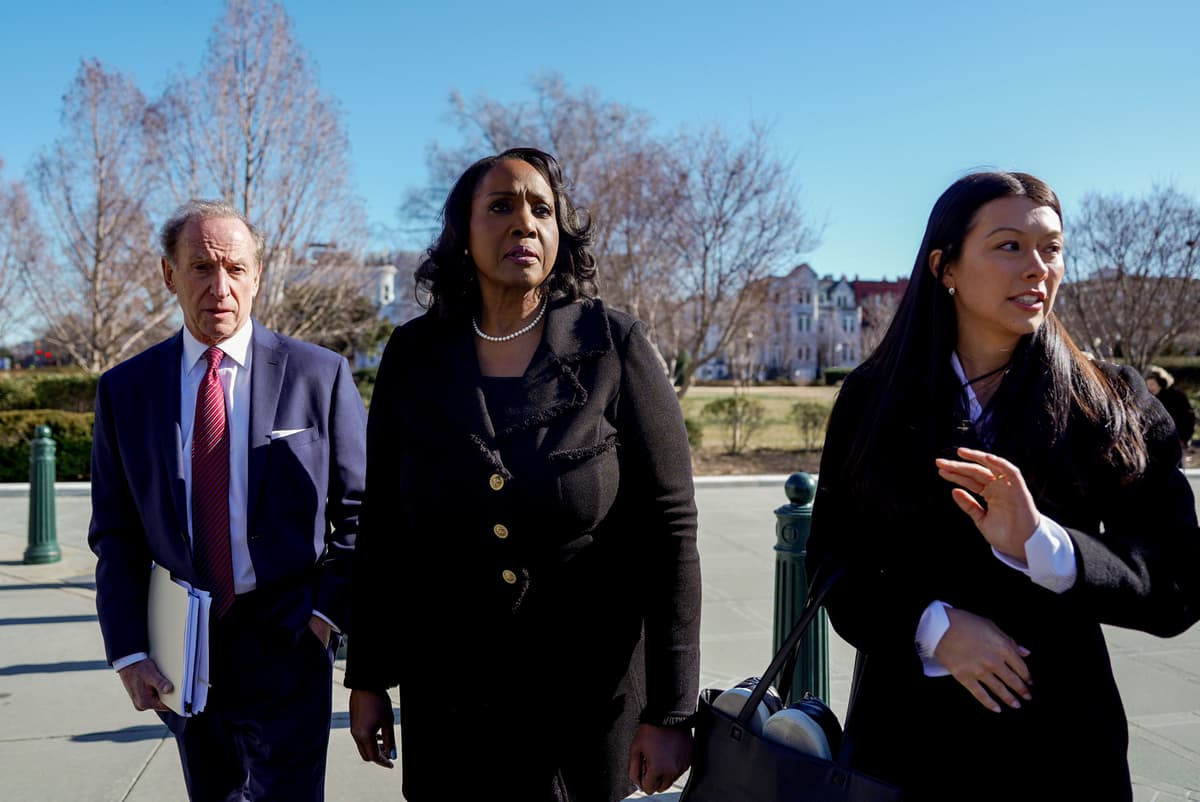
Justices Wary of Trump's Urgent Need to Remove Fed's Cook
•January 21, 2026
0
Why It Matters
The decision will determine how securely the Fed’s independence is insulated from political pressure, affecting market stability and confidence in U.S. monetary policy.
Key Takeaways
- •Court questions broad presidential removal authority
- •For‑cause protections may limit executive dismissals
- •Decision could reshape Fed independence
- •Market confidence hinges on central bank stability
- •Legal precedent may affect future political removals
Pulse Analysis
The dispute over Lisa Cook’s removal revives a decades‑old tension between executive authority and the Federal Reserve’s statutory insulation. The Federal Reserve Act of 1913 established a “for cause” removal clause, intended to shield governors from partisan ouster while preserving accountability for genuine misconduct. President Trump’s attempt to dismiss Cook on alleged mortgage improprieties tests the limits of that clause, prompting the Supreme Court to weigh whether the statute grants the president unilateral discretion or mandates judicial oversight. The outcome will clarify how far a sitting president can intervene in the nation’s central bank.
U.S. Solicitor General John Sauer argued that the law leaves the definition of “cause” to the president’s judgment, rendering such decisions unreviewable by the courts. Justices, however, pushed back. Justice Brett Kavanaugh warned that eliminating judicial review would erode the Fed’s independence, while Justice Sonia Sotomayor highlighted the unresolved factual basis of the alleged misconduct. Chief Justice John Roberts and Justice Samuel Alito probed the procedural safeguards required by the statute, emphasizing notice, evidence‑presentation, and impartial adjudication. The bench’s probing questions signal a reluctance to endorse an unchecked executive removal power.
If the Court sides with the administration, future presidents could wield the removal tool as a political lever, unsettling investors who rely on the Fed’s perceived autonomy for stable monetary policy. A precedent that weakens the “for cause” barrier may trigger higher volatility in interest‑rate expectations, bond yields, and foreign‑exchange markets, as global confidence in U.S. financial governance wavers. Conversely, a ruling that upholds the statutory protections reinforces the long‑standing separation between monetary policy and partisan politics, bolstering market credibility. Lawmakers and regulators will watch closely, as the decision could prompt legislative revisions to clarify removal procedures and safeguard central‑bank independence.
Justices wary of Trump's urgent need to remove Fed's Cook
0
Comments
Want to join the conversation?
Loading comments...