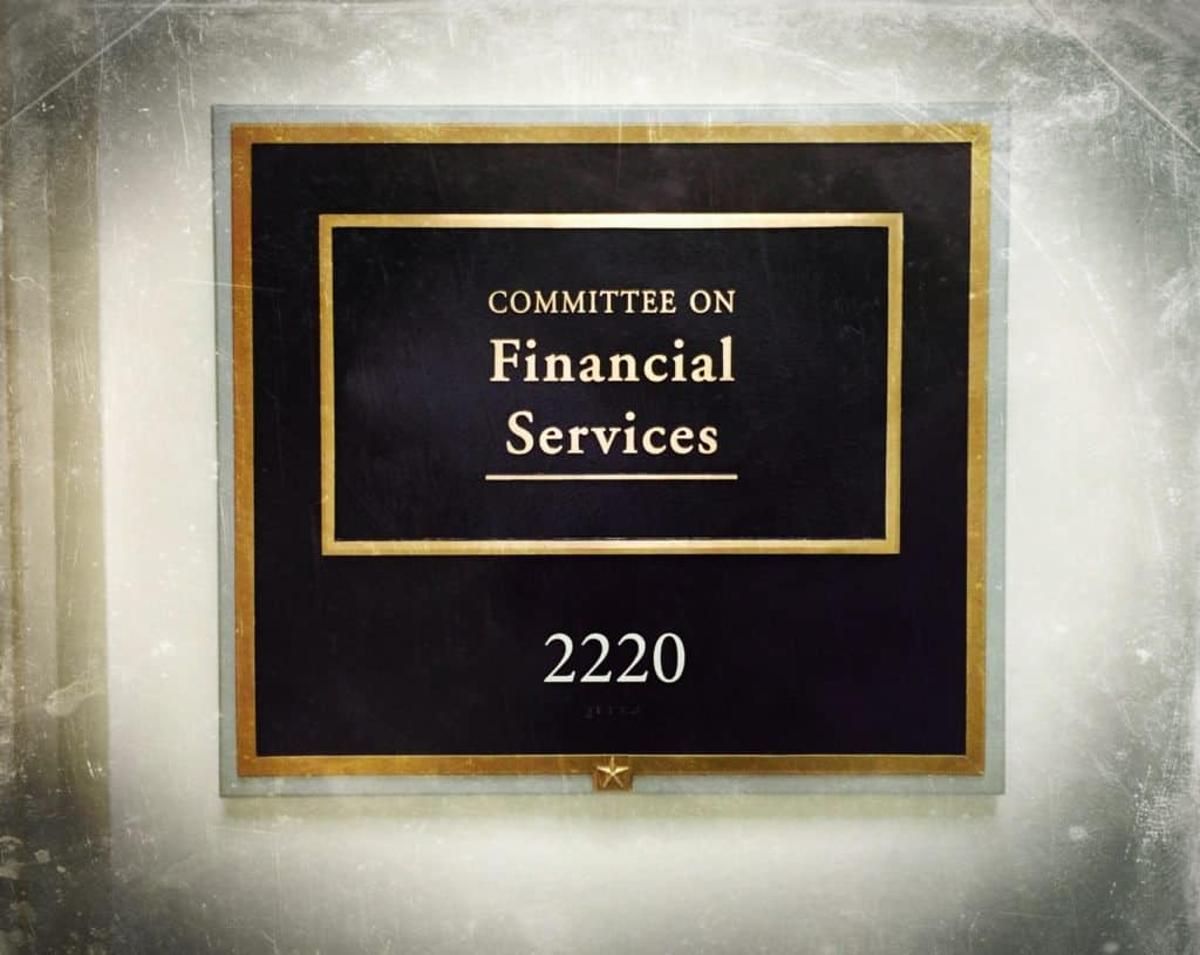
Micro Exemption Bill, the SEED Act, Moves to Markup in House Financial Services Committee
•January 21, 2026
0
Companies Mentioned

DQ Promote
Why It Matters
The SEED Act could unlock faster, lower‑cost financing for small businesses, while raising questions about investor protection and regulatory oversight.
Key Takeaways
- •Micro-exemption caps at $250,000 annually.
- •Amends 1933 Securities Act to waive filing requirements.
- •SEC must issue implementing rules within 270 days.
- •Targets small issuers seeking network‑based fundraising.
- •Potentially competes with Regulation Crowdfunding framework.
Pulse Analysis
Capital formation for early‑stage companies has long been hampered by the cost and complexity of securities filings. Existing pathways, such as Regulation Crowdfunding (Reg CF), require notice filings and impose limits that can deter founders from tapping their immediate networks. The SEED Act’s micro‑exemption directly addresses this friction point, offering a streamlined route for issuers to raise modest sums while still subject to the federal anti‑fraud provisions that safeguard investors.
The legislation, sponsored by Rep. Andrew Garbarino, amends the Securities Act of 1933 to create a $250,000 annual exemption for private offerings. By removing mandatory disclosure and registration requirements, the bill promises to reduce legal expenses and accelerate fundraising timelines. However, it also imposes a tight rulemaking deadline: the SEC must promulgate detailed regulations within 270 days of enactment, a schedule that will test the agency’s capacity to balance flexibility with robust investor protections.
If the SEED Act passes, it could reshape the competitive landscape for small‑issuer financing. While Reg CF will continue to serve larger crowdsourced rounds, the micro‑exemption may become the preferred tool for founders seeking to raise capital from close contacts or niche investor groups. Critics warn that fewer disclosure obligations could increase fraud risk, but proponents argue that the anti‑fraud clause and limited raise size mitigate such concerns. Market participants should monitor the markup hearing closely, as the outcome will influence fundraising strategies and compliance planning for startups and early‑stage investors alike.
Micro Exemption Bill, the SEED Act, Moves to Markup in House Financial Services Committee
0
Comments
Want to join the conversation?
Loading comments...