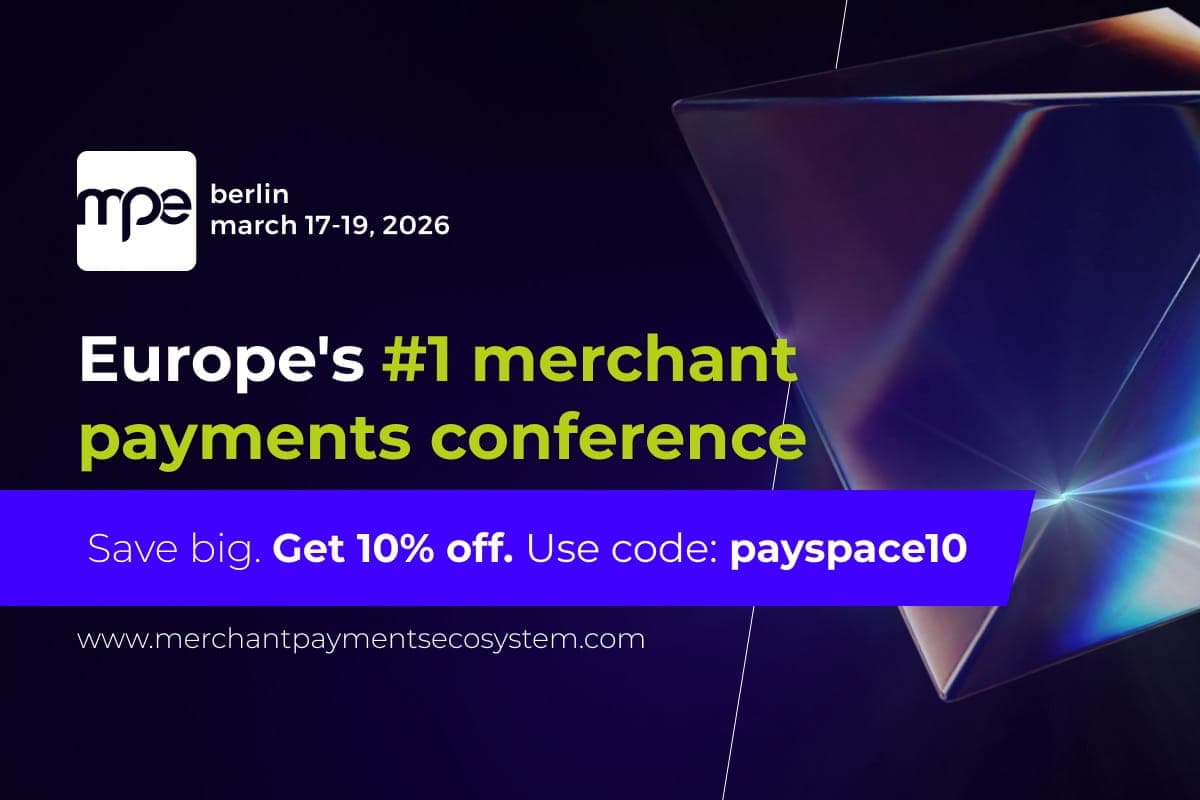
MPE – Merchant Payments Ecosystem: Conference Overview
•March 3, 2026
0
Why It Matters
These moves illustrate accelerating regulatory scrutiny, cross‑border collaboration, and technology convergence reshaping the global payments landscape.
Key Takeaways
- •OpenAI faces scrutiny over Pentagon AI contract
- •Capitec Pay enables instant payouts for Paystack merchants
- •BitGo launches crypto services across EEA under MiCA
- •Regulatory shifts accelerate fintech collaborations worldwide
- •Conference highlights convergence of AI, payments, crypto
Pulse Analysis
The MPE conference underscored how artificial intelligence is becoming a flashpoint in the payments sector. OpenAI’s deal with the U.S. Department of Defense ignited a debate about the ethical deployment of powerful language models, prompting calls for clearer governance. Stakeholders are now weighing the benefits of AI‑driven fraud detection against potential reputational risks, a tension that will shape vendor strategies and compliance frameworks in the coming years.
Meanwhile, the partnership between Capitec Pay and Paystack signaled a pragmatic step toward frictionless commerce in emerging markets. By enabling instant bank transfers directly to merchants, the integration reduces settlement latency and lowers reliance on legacy card networks. This development is expected to boost merchant adoption rates, especially among small‑to‑medium enterprises that demand rapid cash flow and cost‑effective payment solutions.
BitGo’s expansion across the European Economic Area under the MiCA (Markets in Crypto‑Assets) regime reflects the growing maturity of crypto‑related services. The firm’s crypto‑as‑a‑service platform now complies with unified EU standards, offering custodial, staking, and compliance tools to institutional clients. This regulatory alignment not only mitigates legal uncertainty but also encourages broader institutional participation in digital assets, further blurring the lines between traditional finance and decentralized finance ecosystems.
MPE – Merchant Payments Ecosystem: Conference Overview
0
Comments
Want to join the conversation?
Loading comments...