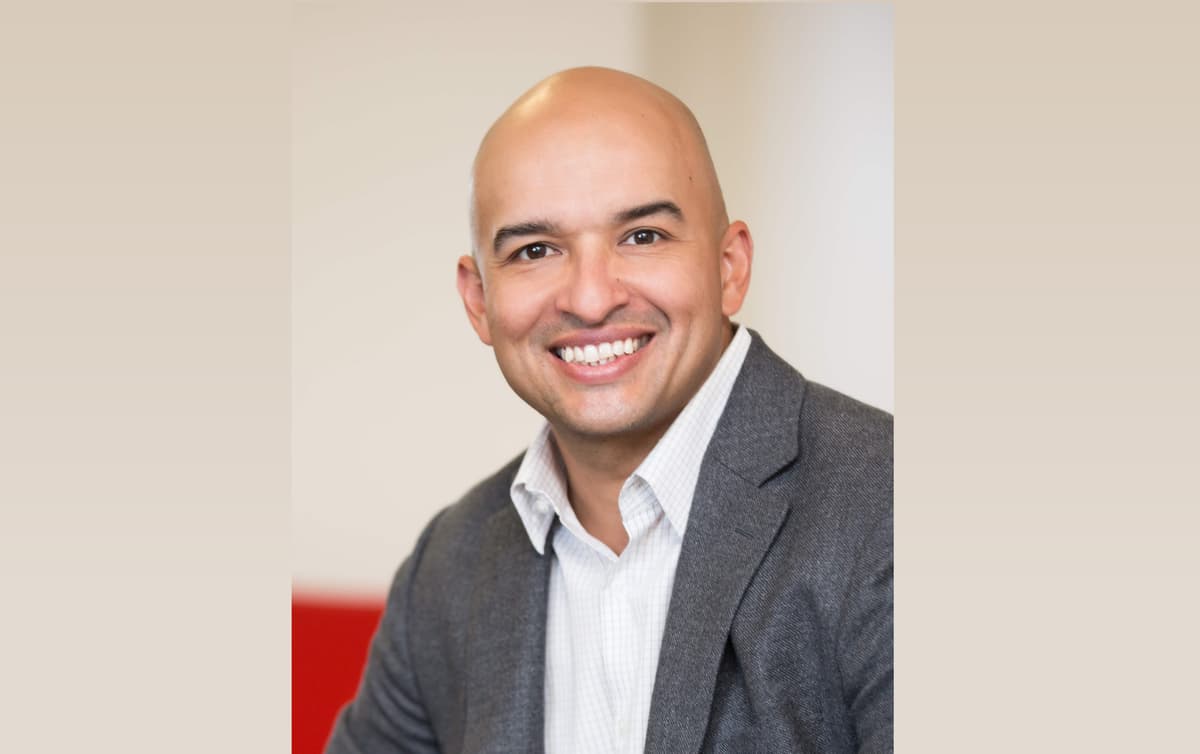
Oportun CEO Vazquez to Step Down After Investor Pressure
•January 22, 2026
0
Companies Mentioned

Why It Matters
The leadership change reflects activist pressure to improve profitability and could reshape Oportun’s pricing model, impacting the sub‑prime fintech market. Investors will watch the new CEO’s decisions on cost discipline and APR caps for future earnings growth.
Key Takeaways
- •CEO Vazquez exits after 14 years amid activist pressure
- •Oportun stock jumps 25% on leadership change announcement
- •Findell Capital criticized costly acquisitions and high expense base
- •Company cut operating costs 40%, saving $240M annually
- •New CEO must decide on 36% APR cap removal
Pulse Analysis
Activist investors have become a decisive force in reshaping the governance of mid‑cap fintech firms, and Oportun Financial is a recent illustration. After a 14‑year tenure, CEO Raul Vazquez is exiting under pressure from Findell Capital, which owns roughly 9.5 % of the stock. Findell’s campaign highlighted a series of “disastrous” acquisitions, notably the $211 million purchase of neobank Digit, and argued that Oportun’s cost structure lagged behind peers such as OneMain Financial. The board’s decision to replace Vazquez signals a broader trend of shareholder activism driving operational reforms in the consumer‑credit space.
The market reacted positively, with Oportun’s shares climbing 25 % on the leadership announcement, while the company disclosed preliminary fourth‑quarter results that show a modest GAAP profit of $5‑$8 million, the fifth consecutive profitable quarter. Management has already taken steps to address the activist’s concerns, cutting operating expenses by roughly 40 % and eliminating $240 million in annualized costs since mid‑2022. However, a lingering strategic question centers on the company’s self‑imposed 36 % APR cap, which critics claim suppresses margins and limits credit access for its core low‑income borrower base.
The incoming CEO will inherit a business at a crossroads: maintain the APR ceiling to preserve Oportun’s reputation as a responsible lender, or lift it to boost earnings and compete more aggressively with higher‑rate payday alternatives. Either path carries trade‑offs—removing the cap could improve pre‑tax income but risk regulatory scrutiny and brand backlash, while keeping it may constrain growth in a highly competitive market. Analysts are therefore adopting a wait‑and‑see stance, keeping the stock at a “Market Perform” rating until the new leadership clarifies its strategic roadmap, a development that could set a precedent for governance reforms across the sub‑prime fintech sector.
Oportun CEO Vazquez to step down after investor pressure
0
Comments
Want to join the conversation?
Loading comments...