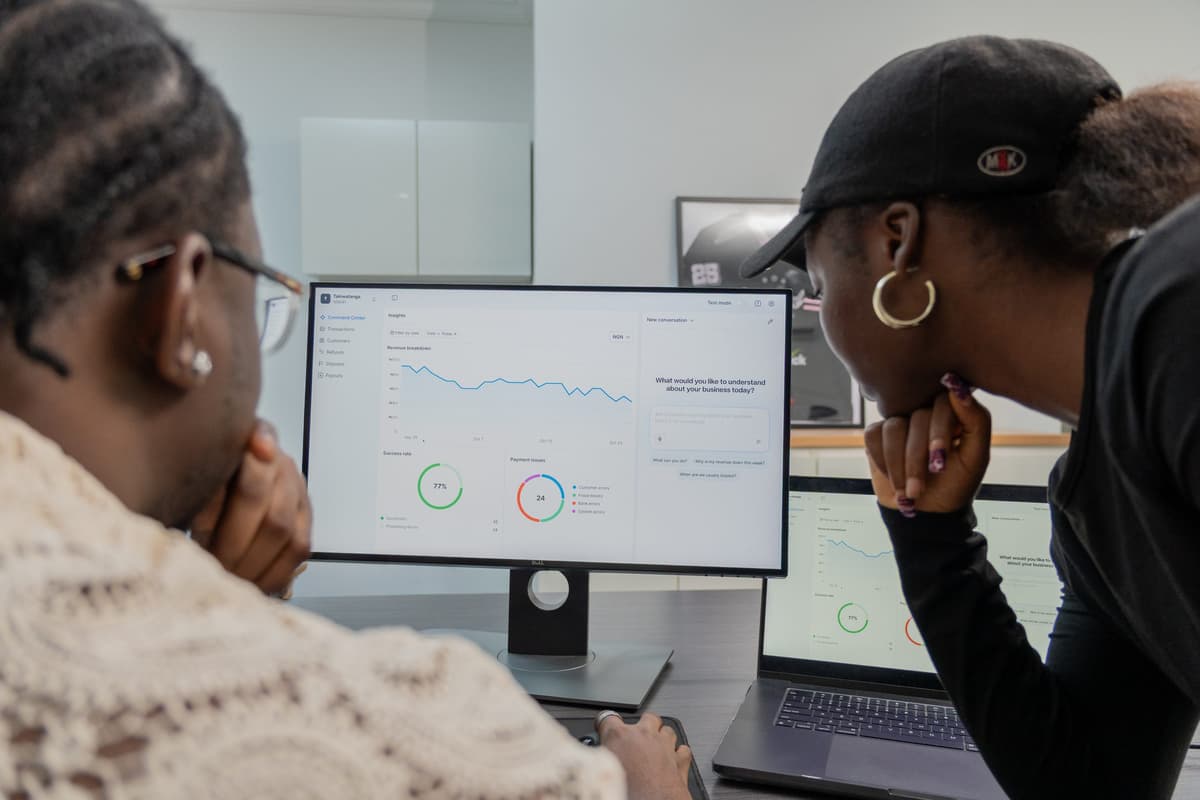
Paystack’s First Dashboard Rebuild in a Decade Brings AI Into Merchant Operations
Why It Matters
By embedding reliable, data‑centric AI directly into its core product, Paystack accelerates merchant decision‑making and sets a new standard for fintech interfaces in a rapidly digitizing African market.
Key Takeaways
- •Paystack launches first full Dashboard rebuild in ten years
- •New AI Command Centre answers merchant queries using real transaction data
- •Navigation reorganized into Payments and Products for faster task location
- •Mobile and web interfaces now fully feature‑parity
- •Deterministic AI layer reduces hallucinations and enforces compliance
Pulse Analysis
Paystack’s decade‑old Dashboard has been a staple for African merchants, but its original architecture grew cumbersome as the company layered new payment tools and compliance features. The 2026 redesign, internally dubbed Canvas, tackles that legacy by delivering a clean, mobile‑first interface that mirrors desktop functionality, ensuring merchants can manage transactions, refunds, and customer data on any device. This overhaul arrives at a pivotal moment: a PwC study shows 82% of African firms are piloting AI, and the continent’s AI market is projected to hit $16.5 billion by 2030, underscoring the urgency for fintechs to embed intelligent features directly into core workflows.
At the heart of the update is the AI‑native Command Centre, a conversational layer that pulls from Paystack’s structured transaction database and leverages GPT‑based models through a proprietary Project Canvas API. Unlike generic chatbots, the system is deterministic: every response is grounded in verified merchant data, with automated safety checks that filter out hallucinations and block harmful queries. This approach not only boosts confidence in the insights provided—such as revenue dip analysis or dispute origins—but also aligns with stringent financial compliance standards, a critical factor for regulators and investors alike.
The broader fintech landscape is watching Paystack’s move closely. Competitors like TymeBank and LemFi have experimented with AI assistants, yet few have integrated them into the primary product experience as seamlessly as Paystack has. By treating AI as a foundational direction rather than a bolt‑on feature, Paystack positions itself to capture more merchant loyalty and drive higher transaction volumes across Africa’s burgeoning digital economy. Future phases promise to extend AI capabilities to newer modules like transaction splits, reinforcing the company’s vision of an AI‑first, end‑to‑end payments ecosystem.
Paystack’s first Dashboard rebuild in a decade brings AI into merchant operations
Comments
Want to join the conversation?
Loading comments...