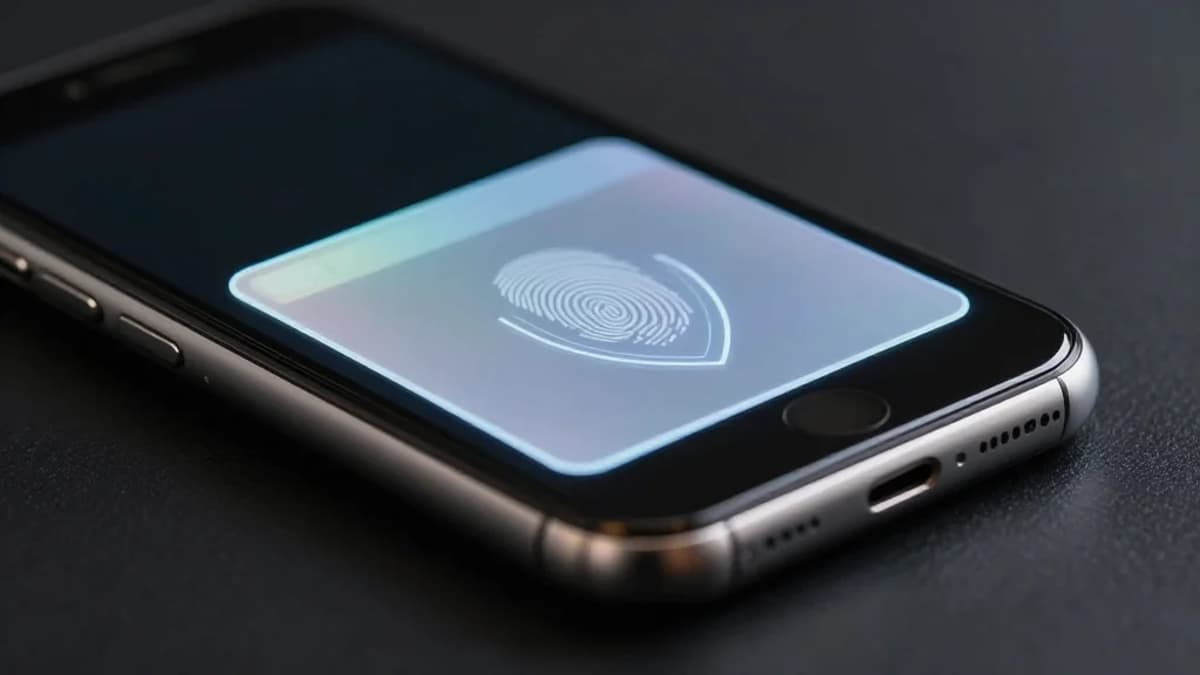
The Arguments for and Against Digital Identification
•December 19, 2025
0


Why It Matters
Digital IDs could streamline access to public services and financial products, but privacy concerns may hinder adoption and spark regulatory backlash. Their design will shape trust in emerging fintech ecosystems worldwide.
Key Takeaways
- •UK digital ID bundles biometric data for faster service access.
- •India's Aadhaar demonstrates scale but raises surveillance worries.
- •US mobile driver’s licences face tracking criticism from privacy groups.
- •Apple Wallet ID promotes on‑device storage, limiting provider visibility.
Pulse Analysis
Governments worldwide are racing to replace paper documents with digital identity platforms, promising reduced friction for citizens accessing services ranging from welfare to banking. The United Kingdom’s new scheme bundles name, birthdate, residency and a facial image, mirroring passport security while enabling real‑time updates. In the United States, mobile driver’s licences (mDLs) embed the same data on smartphones, yet standards like ISO 18013 allow optional server‑retrieval modes that privacy advocates argue could be weaponised for tracking. These initiatives illustrate a broader policy trend: leveraging technology to cut administrative costs while grappling with civil‑liberties implications.
The most cited example of large‑scale digital ID is India’s Aadhaar, which has enrolled over a billion residents and become a prerequisite for many government and financial services. While Aadhaar’s biometric authentication has streamlined subsidy distribution, critics point to data breaches and the potential for state surveillance. Parallel efforts in Europe and Asia are experimenting with decentralized architectures, such as zero‑knowledge proof (ZKP) systems, that verify identity attributes without exposing raw data. These cryptographic approaches aim to reconcile the efficiency of a unified identifier with the privacy expectations of a digitally‑savvy populace.
Commercial players are also shaping the narrative. Apple’s recent Digital ID in Wallet lets users import passport details and present a verifiable credential from an iPhone or Watch, claiming that Apple never sees the data or usage patterns. If widely adopted, such citizen‑controlled solutions could set a new standard for private, on‑device identity verification, compelling regulators to rethink mandatory data‑sharing mandates. For fintech firms, the emergence of secure, user‑owned IDs opens pathways to frictionless onboarding, real‑time KYC, and cross‑border payments, while also demanding robust compliance frameworks that respect both regulatory requirements and consumer privacy.
The arguments for and against digital identification
0
Comments
Want to join the conversation?
Loading comments...