Companies Mentioned
Why It Matters
The shift to digital payments reduces cash reliance, improves transaction efficiency, and opens pathways for broader financial inclusion, a critical step for Libya’s economic stability and attraction of foreign investment.
Key Takeaways
- •Libya's internet penetration at 75%, mobile over 100% enabling digital finance
- •Central Bank of Libya rolled out POS terminals and e‑salary programs in 2026
- •Around 20 fintech firms focus on payments, led by bank and telecom partners
- •Visa created Egypt‑Libya‑Sudan sub‑regional hub to expand North Africa footprint
Pulse Analysis
Libya’s economy remains heavily oil‑dependent, with hydrocarbons accounting for more than 90% of exports and government revenue. Post‑Gaddafi instability left the traditional banking sector fragmented and cash‑starved, prompting policymakers to view digital finance not as a luxury but as a reconstruction necessity. With a GDP per capita of roughly $7,500—among the highest in Africa—the country possesses a modest macro‑economic base that can support technology‑driven growth, provided the right infrastructure and regulatory framework are in place.
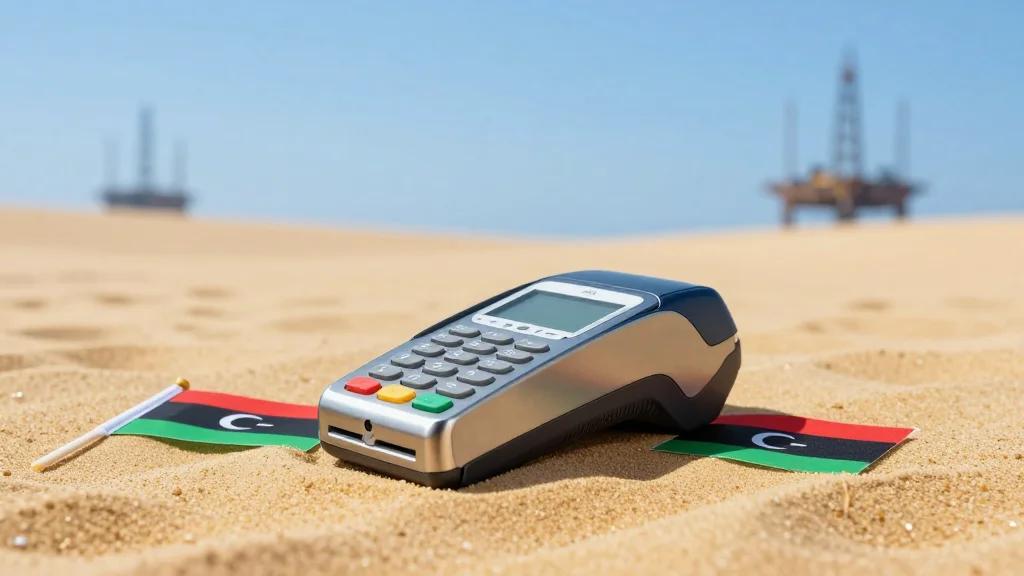
In 2026 the Central Bank of Libya (CBL) took decisive steps to modernise payments. It accelerated the rollout of point‑of‑sale terminals, mandated electronic salary disbursements for public servants, and opened e‑wallet services to legally resident foreigners. Mobile penetration now exceeds 100%, and internet usage sits at 75%, creating a fertile environment for mobile banking apps and telecom‑backed financial services. The fintech ecosystem, though still infant, hosts about 20 providers focused on payments, with major banks such as Jumhouria and Wahda leading digital initiatives. International players are also entering; Visa’s new sub‑regional hub covering Egypt, Libya and Sudan signals confidence in North Africa’s untapped market.
The broader impact centers on financial inclusion and economic resilience. Only 40% of Libyan adults hold formal bank accounts, a gap that digital wallets and mobile banking can narrow, especially in underserved regions. Yet challenges persist: geographic disparities, low financial literacy, and an informal economy limit rapid adoption. Continued regulatory support, interoperability standards, and investment in digital identity will be crucial. If these hurdles are addressed, Libya could transform its cash‑centric system into a more transparent, efficient financial network, attracting foreign capital and fostering sustainable post‑conflict growth.
The Fintech Ecosystem of Libya in 2026
Comments
Want to join the conversation?
Loading comments...