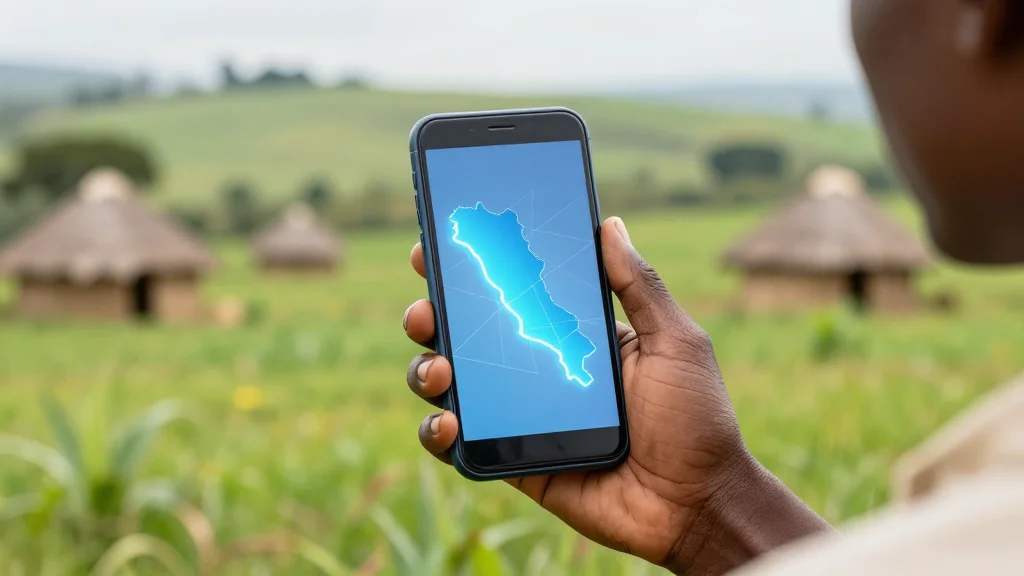
Why It Matters
The shift demonstrates how digital finance can unlock economic participation in low‑income, agrarian economies, creating a template for investors and development partners seeking scalable inclusion models. It also signals growing market potential for fintech solutions tailored to underserved populations.
Key Takeaways
- •Mobile money now primary entry to financial services.
- •RBM’s payment switch improves bank‑mobile interoperability.
- •NSFI III targets 95% adult financial inclusion by 2028.
- •Mobile penetration 70%; internet only 30%, limiting digital reach.
- •~20 fintech firms focus on payments, telecom‑led innovation.
Pulse Analysis
Malawi’s economic profile—a $16 billion GDP and a per‑capita income of roughly $650—makes digital finance a necessity rather than a luxury. With 70% of the 22 million citizens owning mobile phones, the country has sidestepped traditional banking constraints by embracing mobile‑money platforms. Government initiatives such as the Malawi 2063 Vision and the National Strategy for Financial Inclusion III provide policy scaffolding that aligns broadband expansion, digitised public services, and consumer‑protection frameworks, creating a fertile environment for fintech growth despite modest internet penetration.
The Reserve Bank of Malawi has taken a hands‑on approach, rolling out a national payment switch that links banks and mobile‑money operators, cutting transaction costs and fostering real‑time interoperability. Licensing reforms under the NSFI III have tightened oversight of electronic money issuers, bolstering consumer confidence. Telecom giants like Airtel Money and TNM Mpamba dominate the market, while banks such as National Bank of Malawi supplement the ecosystem with apps like Mo626 Digital+. This telecom‑led model reflects a broader Sub‑Saharan trend where mobile operators, rather than pure‑play startups, drive fintech innovation in low‑infrastructure settings.
For investors and development agencies, Malawi presents a low‑entry‑barrier landscape with clear upside. The target of 95% adult financial inclusion by 2028 promises a sizable, untapped user base for credit, insurance, and savings products. International donors, including the World Bank and UNCDF, continue to fund digital infrastructure and capacity‑building projects, reducing systemic risk. As internet access climbs toward 30% and beyond, the convergence of mobile penetration, regulatory support, and a growing fintech talent pool could accelerate the transition from basic payments to more sophisticated financial services, positioning Malawi as a case study for inclusive digital transformation across Africa.
The Fintech Landscape of Malawi in 2026
Comments
Want to join the conversation?
Loading comments...