The Future of the Wallet: 5 Surprising Ways Mobile Banking Is Quietly Changing Your Life
•January 22, 2026
0
Why It Matters
The shift turns smartphones into primary financial hubs, driving higher engagement, reducing transaction friction, and opening new revenue streams for banks and fintechs.
Key Takeaways
- •AI budgeting tools automate expense categorization.
- •Biometric authentication reduces fraud risk.
- •Instant peer-to-peer payments replace cash.
- •Integrated loyalty programs boost consumer spend.
- •Open banking APIs enable personalized financial services.
Pulse Analysis
The rise of mobile banking reflects a broader digital transformation in finance, where the traditional brick‑and‑mortar model gives way to seamless, app‑first experiences. According to recent surveys, over 70% of millennials now prefer managing money via smartphones, and global mobile payment volumes are projected to exceed $8 trillion by 2027. This rapid adoption is fueled by ubiquitous high‑speed connectivity, improved user interfaces, and regulatory frameworks that encourage innovation while protecting consumers.
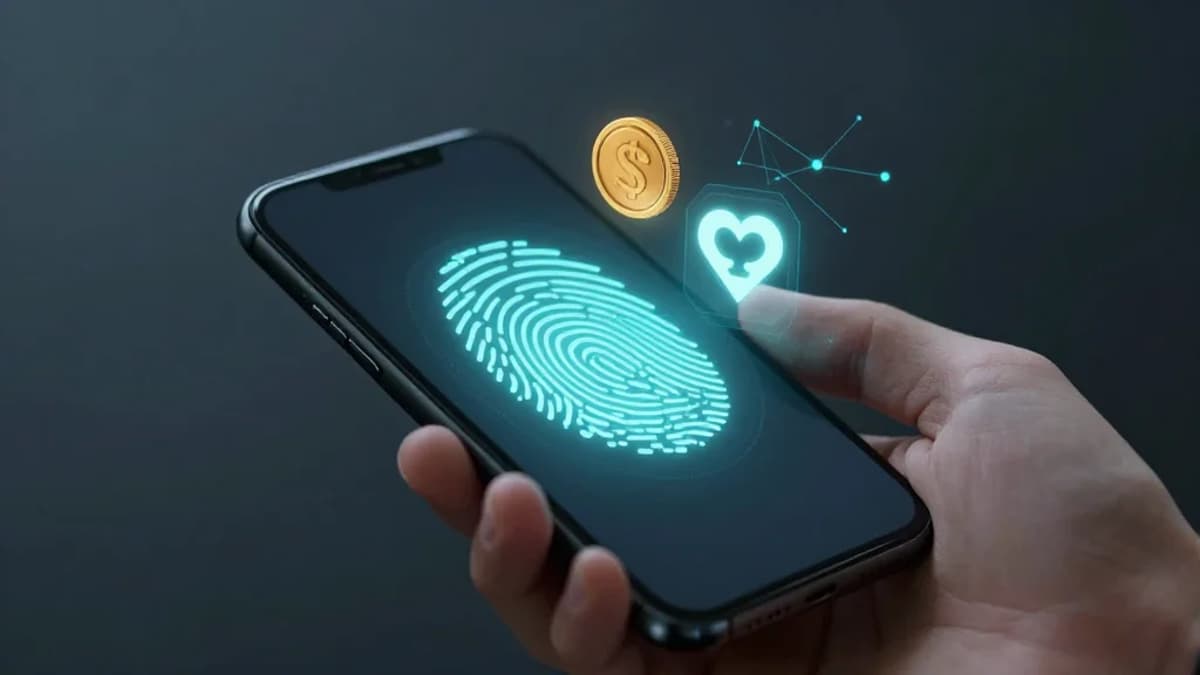
At the heart of this evolution are five key innovations. AI‑powered budgeting tools analyze transaction data in real time, offering actionable insights and automated savings recommendations. Biometric authentication—fingerprint, facial recognition, and voice ID—enhances security, dramatically lowering fraud rates. Real‑time peer‑to‑peer transfers eliminate the need for cash or physical cards, while integrated loyalty programs embed rewards directly into the wallet, increasing user stickiness. Meanwhile, open‑banking APIs allow third‑party developers to craft tailored financial products, creating a more personalized ecosystem that adapts to individual spending habits.
These developments have profound implications for both consumers and financial institutions. For users, the intelligent wallet simplifies financial management, promotes better budgeting, and expands access to credit for underbanked populations. For banks, the shift opens new data‑driven revenue streams and necessitates a re‑imagining of legacy systems to stay competitive. As mobile banking continues to mature, firms that prioritize seamless integration, robust security, and AI‑enabled personalization will capture the next wave of digital‑first customers.
The Future of the Wallet: 5 Surprising Ways Mobile Banking Is Quietly Changing Your Life
0
Comments
Want to join the conversation?
Loading comments...