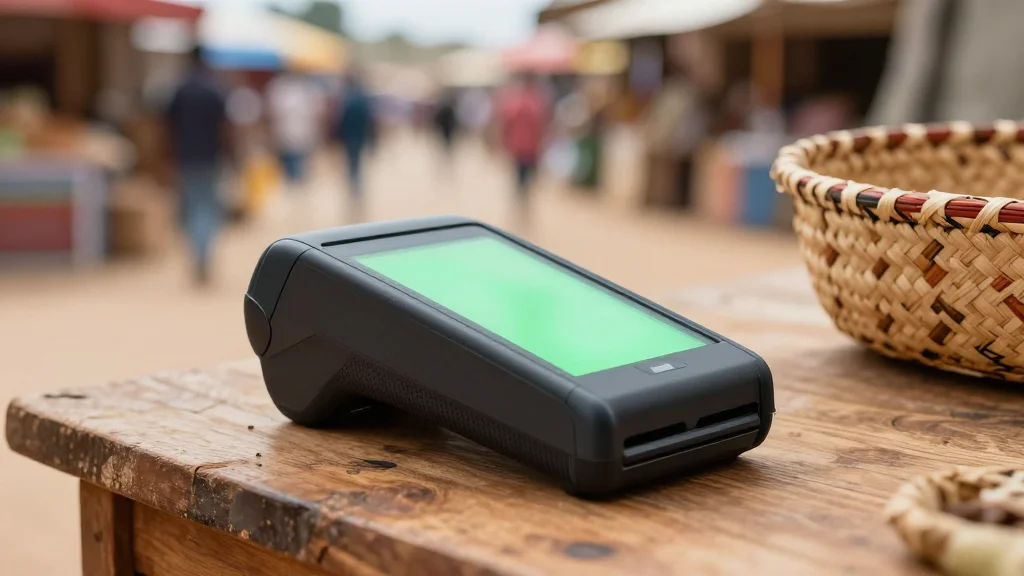
The Invisible Engine Powering SA’s Informal Payment Revolution
Companies Mentioned
Why It Matters
The shift unlocks financial inclusion for millions of unbanked traders and creates a scalable revenue stream for fintechs, while forcing traditional banks to adapt to a fragmented, high‑growth market.
Key Takeaways
- •South Africa's informal economy valued at ~R900 bn ($48 bn)
- •Fintechs like iKhokha process >R20 bn ($1 bn) annually
- •Wholesale payment infrastructure cuts integration cost for micro‑merchants
- •Nedbank bought iKhokha for R1.65 bn ($87 m) in 2025
- •Card transactions projected to hit R2.9 tn ($154 bn) this year
Pulse Analysis
The informal sector, comprising roughly 150,000 spaza shops and 2.6 million workers, has long been a cash‑centric engine of South Africa’s GDP. Recent estimates place its annual output at over R600 billion ($32 billion), yet the lack of affordable card‑payment infrastructure kept many merchants on the sidelines. Fintech innovators recognized this gap and introduced low‑cost point‑of‑sale devices that can operate in low‑bandwidth environments, allowing unbanked consumers to transact digitally for the first time.
Behind the sleek terminals lies a less visible but critical wholesale layer. Traditional acquiring banks and payment switches demand heavy compliance, capital, and technical integration—barriers that are prohibitive for small‑scale fintechs. By partnering with payment technology providers that already hold the necessary bank relationships and certifications, startups can bypass years of development and millions in upfront costs. This shared‑infrastructure model accelerates market entry, enabling firms like iKhokha, now owned by Nedbank for R1.65 bn ($87 m), to scale rapidly and process more than R20 bn ($1 bn) in digital payments each year.
The broader impact extends beyond transaction volume. Greater card adoption drives financial inclusion, giving informal traders access to credit histories, savings tools, and formal supply chains. For investors, the burgeoning $154 billion card‑transaction forecast signals a lucrative frontier, prompting banks to reconsider legacy pricing models and regulators to streamline licensing for payment facilitators. As the infrastructure becomes increasingly shareable, the informal economy is poised to become a cornerstone of South Africa’s digital financial landscape, delivering growth, employment, and resilience in a post‑pandemic world.
The invisible engine powering SA’s informal payment revolution
Comments
Want to join the conversation?
Loading comments...