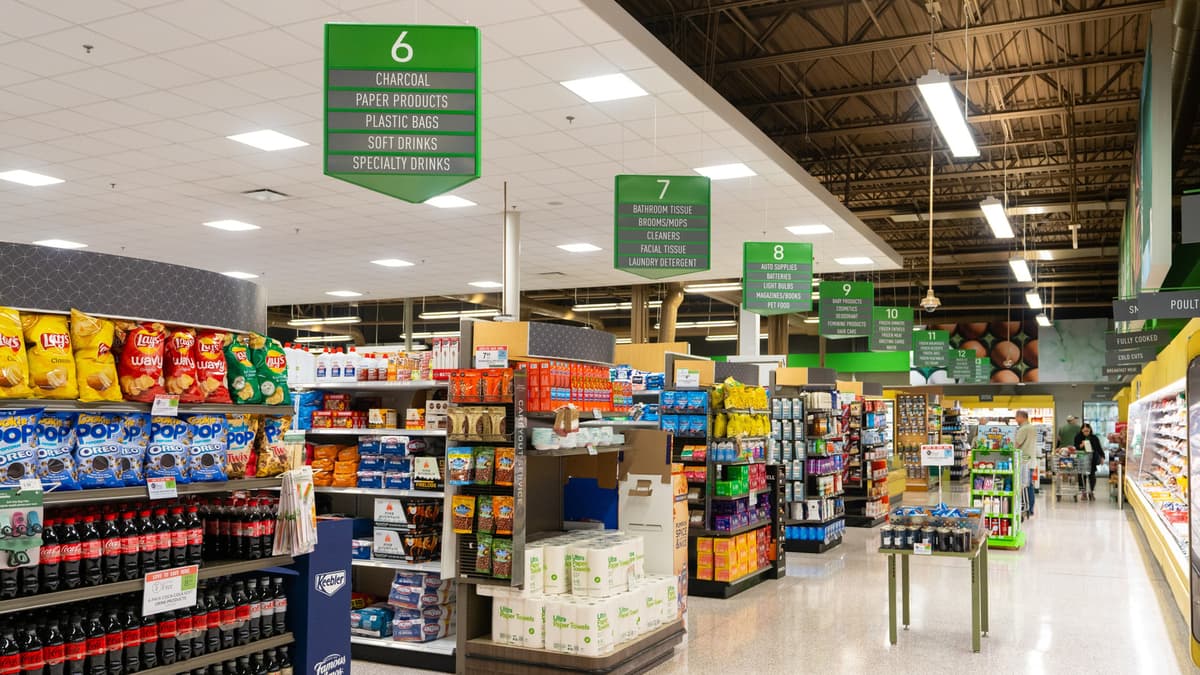
The Payment Type Publix Doesn't Bother With Anymore
Companies Mentioned
Why It Matters
The removal underscores how regional retailers are trimming underused digital services to cut costs and prioritize higher‑impact customer experiences, signaling a shift away from proprietary payment solutions.
Key Takeaways
- •Publix Pay launched in 2019 as QR‑code checkout via app.
- •Feature allowed digital coupons, e‑receipts, and gift‑card storage.
- •Low adoption and operational costs led to discontinuation in March 2026.
- •Chain will focus on enhancing other app functionalities for shoppers.
- •Customers lose in‑app credit‑card points tied to “online shopping” status.
Pulse Analysis
Since the late 2010s, major grocery chains have experimented with proprietary mobile wallets to capture shopper data and streamline checkout. Walmart’s Pay and Target’s Wallet set the precedent, prompting Publix to introduce Publix Pay in 2019 as a QR‑code payment option embedded in its existing shopping app. The service allowed users to load debit or credit cards, store gift‑card balances, and automatically apply digital coupons, positioning the chain as a tech‑forward retailer in the competitive Southeast market.
Despite the convenience of a single‑tap checkout, Publix Pay never achieved the traction of platform‑agnostic solutions like Apple Pay or Google Pay. Cashiers reported infrequent usage, and many shoppers found the extra QR‑scan step redundant when their cards already worked at the register. Maintaining a separate payment infrastructure also incurs licensing, security, and support costs that outweigh the modest benefits of in‑app coupon redemption and e‑receipt generation. As a result, the feature became a cost center rather than a growth driver.
The decision to discontinue Publix Pay reflects a broader industry move toward consolidating digital experiences rather than proliferating niche wallets. By reallocating resources to enhance digital coupons, personalized promotions, and loyalty tools, Publix aims to deepen customer engagement without the overhead of a proprietary payment network. Shoppers who relied on the service will need to transition to standard contactless payments, but the underlying app will remain a hub for savings. Retailers watching this shift may prioritize integration with existing payment ecosystems over building standalone solutions. This approach aligns with consumer preferences for seamless, one‑stop shopping experiences.
The Payment Type Publix Doesn't Bother With Anymore
Comments
Want to join the conversation?
Loading comments...