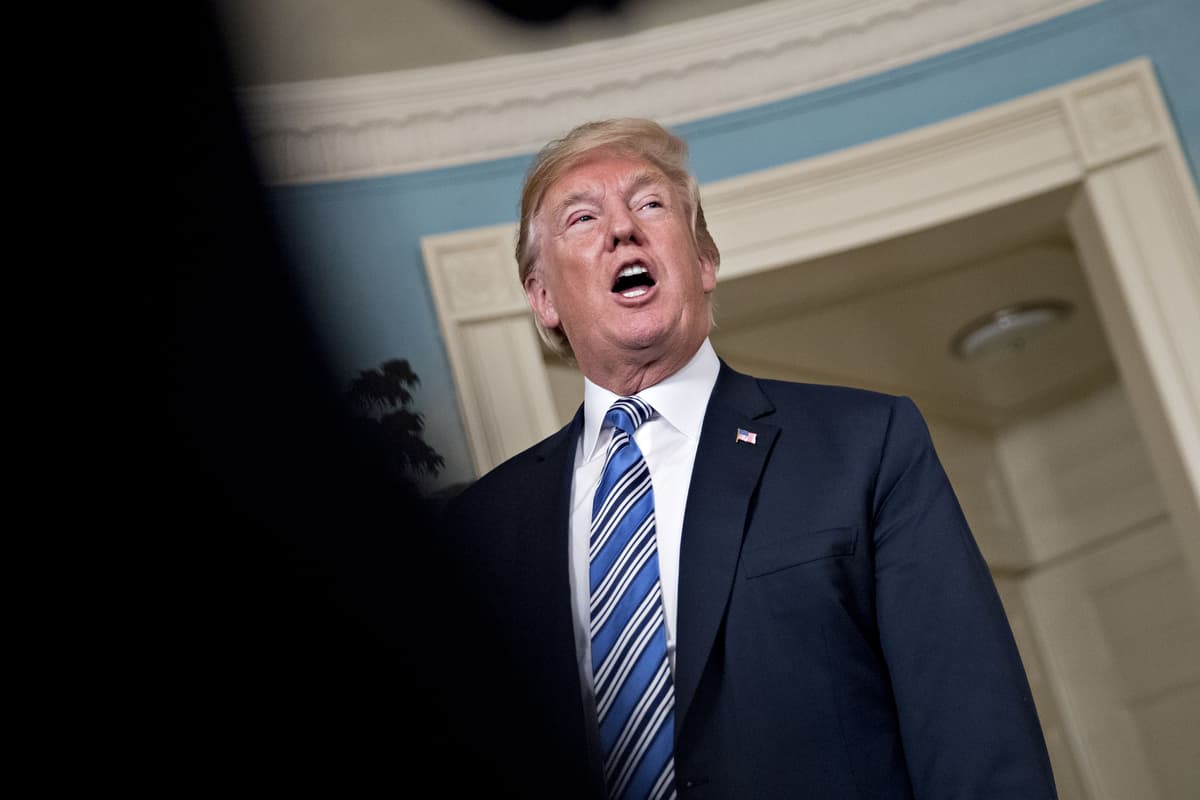
Trump Backs Durbin-Marshall Swipe Fee Bill
•January 13, 2026
0
Companies Mentioned


Why It Matters
The bill could reshape merchant‑bank relationships, lowering transaction costs for retailers while eroding a key revenue stream for major card issuers. Its advancement signals a rare bipartisan push against entrenched financial interests, with potential ripple effects across the payments ecosystem.
Key Takeaways
- •Trump backs Durbin‑Marshall swipe‑fee bill.
- •Bill forces banks >$100B to offer non‑Visa/Mastercard networks.
- •Bank lobby warns of higher costs for merchants.
- •Could trigger congressional vote before 2026 elections.
- •Retailers may benefit from lower transaction fees.
Pulse Analysis
Swipe fees have long been a hidden cost for merchants, inflating prices for consumers and bolstering the profit margins of Visa and Mastercard. The Credit Card Competition Act, colloquially known as the Durbin‑Marshall bill, seeks to break that monopoly by mandating that banks with assets over $100 billion provide at least one unaffiliated network option. Trump’s recent social‑media endorsement adds political weight to a proposal that has drifted in legislative limbo for years, aligning with a growing Republican openness to curbing card‑network dominance.
If enacted, the bill would force the nation’s largest banks to restructure their payment processing pipelines, potentially increasing operational complexity but also fostering competition among smaller networks. Merchants could see transaction fees dip, improving margins for small businesses and possibly translating into lower consumer prices. Conversely, banks and card issuers warn that the mandate could raise costs elsewhere, such as through higher interchange fees or reduced investment in payment innovation. The debate underscores a broader tension between consumer‑friendly regulation and the financial sector’s profit models.
Legislatively, Trump’s backing may accelerate the bill’s trajectory toward a floor vote, especially as lawmakers eye the 2026 midterm cycle and the political capital of a populist stance on financial fairness. Even if the vote stalls, the heightened visibility could embed swipe‑fee reform on future congressional agendas. Stakeholders—from retailers to fintech startups—should monitor the bill’s progress, as its outcome could reshape the competitive landscape of U.S. payments for years to come.
Trump backs Durbin-Marshall swipe fee bill
0
Comments
Want to join the conversation?
Loading comments...