We Need a Better System for Routing International Payments in a Crisis
•February 13, 2026
0
Why It Matters
The inefficiencies cost lives and erode donor confidence, highlighting a critical gap in the global payments ecosystem that, if solved, could unlock both humanitarian impact and competitive advantage.
Key Takeaways
- •10% of donations vanished as fees
- •P2P apps lack cross‑platform interoperability
- •Crisis payments demand faster, cheaper routing
- •Stablecoins still need electricity and conversion
- •Interoperable emergency platforms present market opportunity
Pulse Analysis
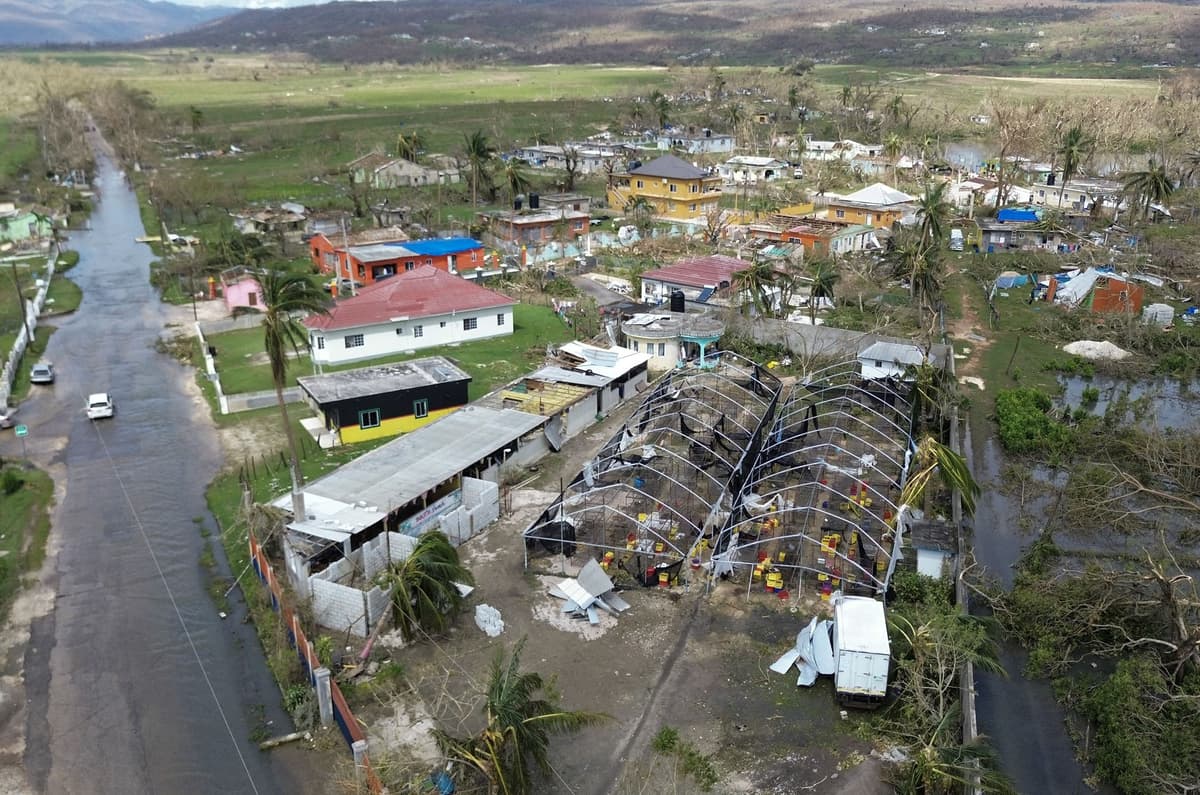
The fallout from Hurricane Melissa exposed a systemic flaw: modern payment rails excel at everyday transactions but stumble when urgency matters. Donors from the U.K., Canada, and the U.S. saw up to ten percent of each contribution siphoned by currency conversion fees, exchange‑rate mark‑ups, and layered intermediaries. In crisis zones where electricity and banking infrastructure are compromised, even well‑known services like Venmo or traditional remittance providers can take days to settle, delaying essential supplies and inflating administrative overhead for nonprofits.
Industry analysts see this inefficiency as a trillion‑dollar annual leak, but also as a catalyst for innovation. A new class of "crisis‑tagged" transfers could automatically apply reduced fees, prioritize speed, and bypass standard risk checks when verified as emergency aid. Interoperability standards—akin to email protocols—would allow funds to flow seamlessly between peer‑to‑peer apps, international money‑transfer networks, and bank accounts, eliminating the current walled‑garden approach. Transparent fee disclosures would empower donors to see exactly how much reaches beneficiaries, restoring trust and encouraging higher donation volumes.
Financial institutions that pioneer these solutions stand to gain more than goodwill. By embedding emergency‑ready capabilities into their platforms, they can capture loyalty from users who experience reliable service during disasters, translating into long‑term customer retention. Regulators, too, have a role in defining clear exemptions for humanitarian payments, ensuring compliance without sacrificing speed. As climate‑related events rise, the market for resilient, low‑cost cross‑border payments will only expand, making crisis‑optimized payment infrastructure a strategic imperative for the fintech sector.
We need a better system for routing international payments in a crisis
0
Comments
Want to join the conversation?
Loading comments...