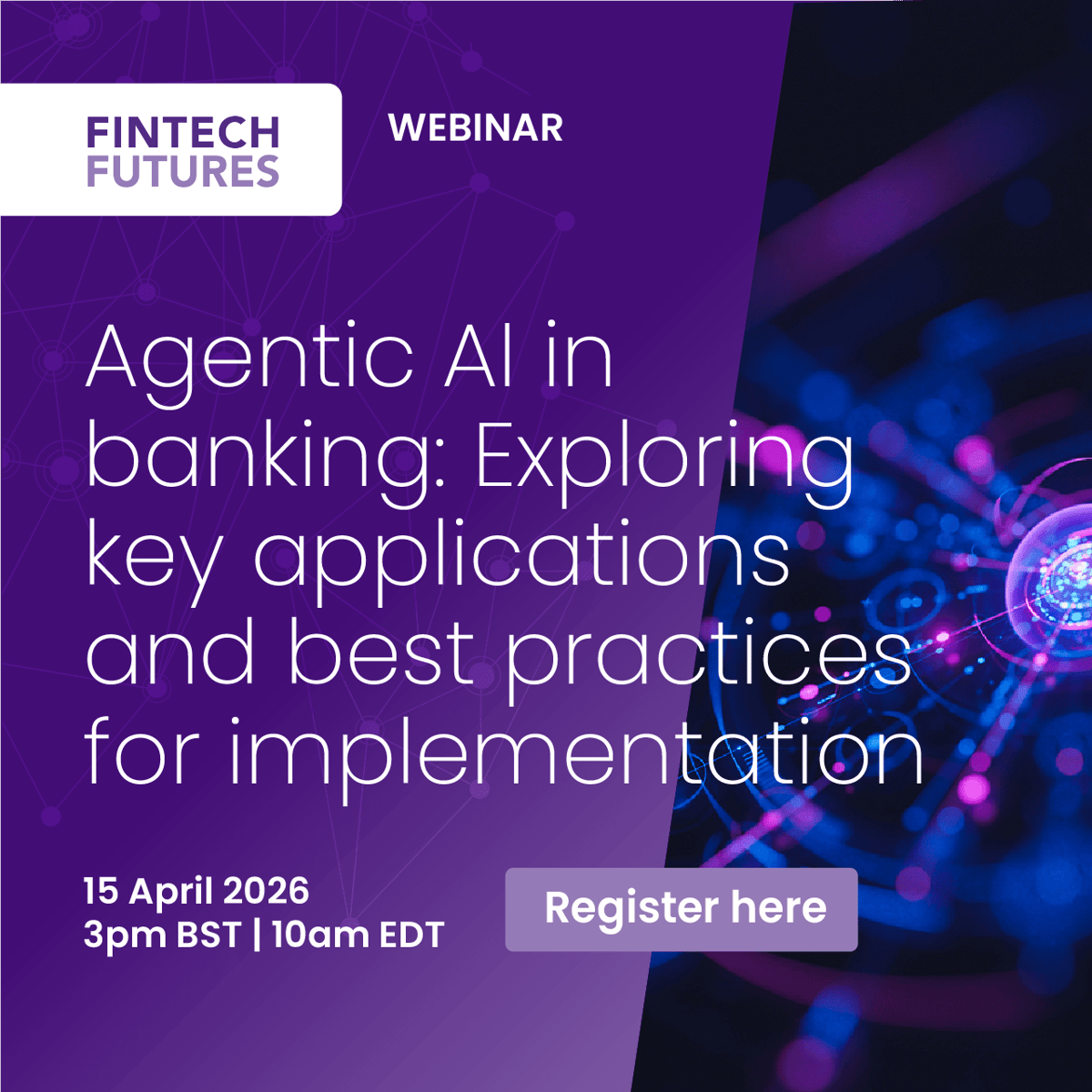
Webinar | 15 April 2026 | Agentic AI in Banking: Exploring Key Applications and Best Practices for Implementation
•March 6, 2026
0
Why It Matters
Agentic AI promises faster decision‑making and cost reductions, giving banks a competitive edge, but its deployment raises governance and compliance risks that must be managed.
Key Takeaways
- •Real-time fraud detection reduces loss
- •Automated compliance monitoring cuts manual effort
- •Back‑office automation lowers operating costs
- •Ethical AI requires bias mitigation and transparency
- •Strategy alignment drives AI adoption success
Pulse Analysis
The banking industry is entering a new era as agentic AI moves from experimental labs to production environments. Driven by advances in large language models, reinforcement learning, and low‑latency cloud infrastructure, financial institutions are investing heavily in autonomous agents that can interpret data, execute transactions, and interact with customers without human oversight. Analysts estimate that AI‑enabled services could contribute up to $1.2 trillion to global banking revenue by 2030, prompting both incumbents and fintech challengers to accelerate their roadmaps.
Practical deployments are already delivering measurable benefits. Real‑time fraud detection engines analyze millions of transaction signals per second, flagging anomalies before they impact customers and cutting loss ratios by double digits. Predictive credit‑risk models assess borrower behavior with greater granularity, enabling dynamic pricing and reducing default rates. Meanwhile, back‑office functions such as account reconciliation, regulatory reporting, and document processing are being automated through AI agents, slashing operational expenses and freeing staff for higher‑value activities. These efficiencies translate into faster service delivery, improved customer satisfaction, and stronger margins.
However, the shift to autonomous agents introduces complex ethical and regulatory challenges. Data privacy, algorithmic bias, and model explainability are top concerns for supervisors and consumers alike. Successful implementation therefore hinges on robust governance frameworks: continuous model monitoring, transparent audit trails, and cross‑functional AI stewardship teams. Best‑practice playbooks recommend phased integration, starting with low‑risk pilot projects, aligning AI initiatives with clear business objectives, and embedding compliance checks into the development lifecycle. As the technology matures, banks that balance innovation with responsible AI practices will capture the greatest share of the emerging digital‑banking market.
Webinar | 15 April 2026 | Agentic AI in banking: Exploring key applications and best practices for implementation
0
Comments
Want to join the conversation?
Loading comments...