What Drives Real-Time Payment Growth

Why It Matters
Tokenized real‑time payments can dramatically lower transaction costs and free up working capital, reshaping corporate treasury strategies and intensifying competition among banks and fintechs.
Key Takeaways
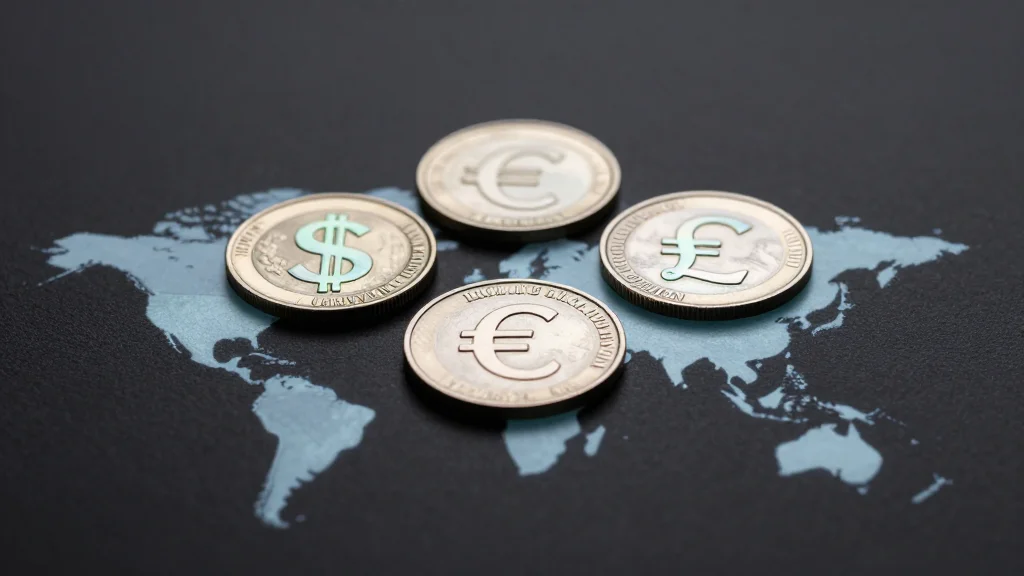
- •HSBC launches US tokenized deposit service, supporting USD, EUR, GBP.
- •Corporate treasury systems, not banks, drive real‑time payment adoption.
- •Interoperability between stablecoins and tokenized deposits remains a key hurdle.
- •Swift’s blockchain ledger aims to link disparate token networks.
- •Regulatory push away from checks could accelerate wholesale real‑time payments.
Pulse Analysis
The rollout of HSBC's tokenized deposit platform in the United States marks a pivotal step toward mainstreaming blockchain‑based settlement. By enabling 24/7, cross‑border transfers in major currencies, the service promises faster cash flow, reduced FX spreads, and lower operational overhead for multinational firms. Early adopters can leverage the technology to streamline vendor payments and payroll, turning what was once a back‑office bottleneck into a strategic liquidity advantage.
Corporate demand, not banking supply, is the primary catalyst for real‑time payment adoption. Treasury teams must align existing ERP and treasury management systems with new API‑driven formats, a shift that entails both technical re‑engineering and a revised business case. Regulators also play a crucial role; policies that discourage paper checks or incentivize instant settlement can accelerate migration. As firms recognize the cost efficiencies and working‑capital benefits, the pressure to modernize legacy processes intensifies, creating a virtuous cycle of adoption.
Looking ahead, interoperability will determine the long‑term success of tokenized payments. Stablecoins and bank‑issued digital tokens must be able to exchange seamlessly, a challenge Swift aims to address with its blockchain shared ledger. By acting as a neutral hub, Swift could standardize messaging across disparate token ecosystems, fostering broader participation and reducing fragmentation. When token networks achieve true ubiquity, corporations will gain a universal, low‑cost conduit for moving money globally, reshaping the competitive landscape of international finance.
What drives real-time payment growth
Comments
Want to join the conversation?
Loading comments...