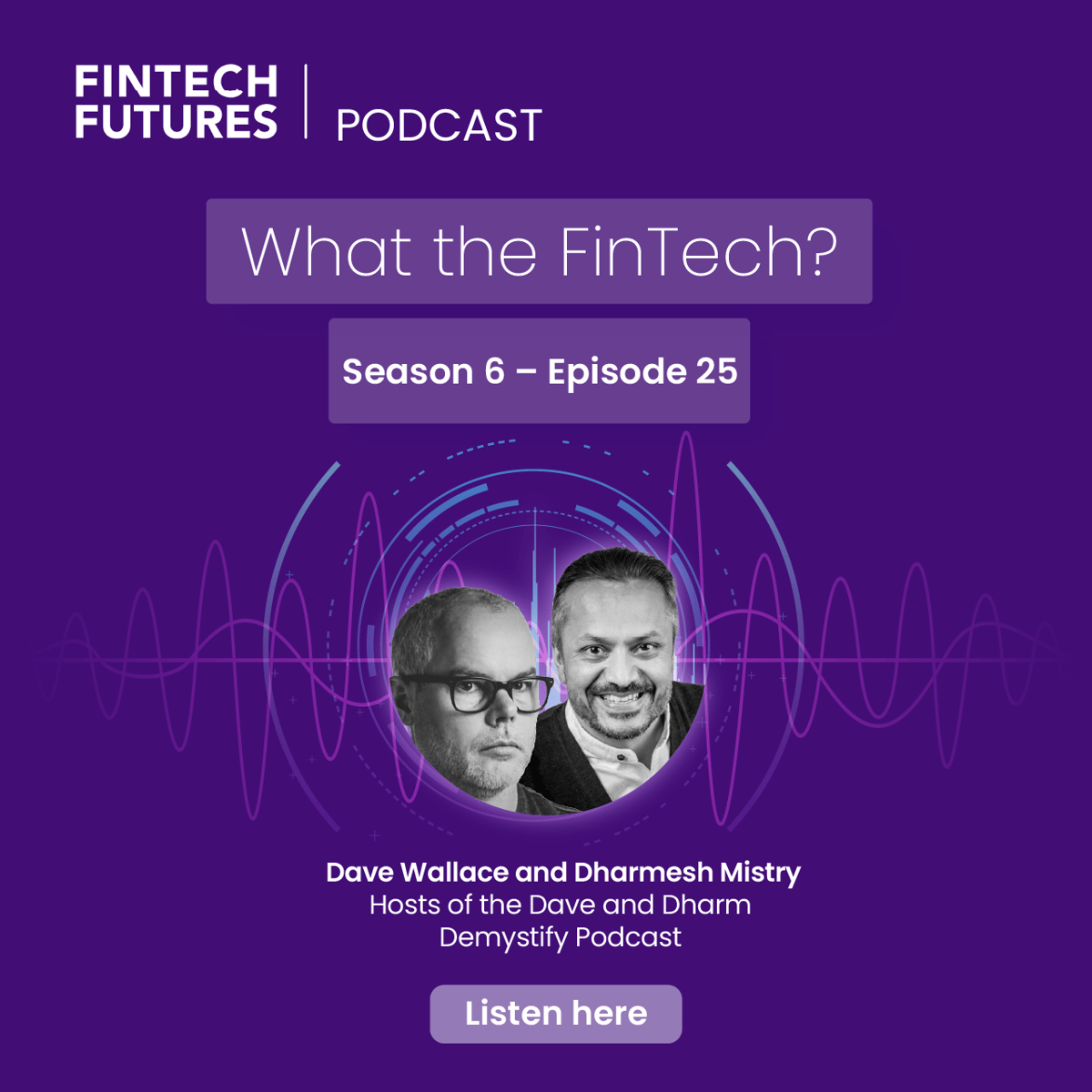
What the FinTech? | S.6 Episode 25 | 2025 in Review and Predictions for 2026
•December 19, 2025
0
Why It Matters
Understanding 2025’s trends and 2026’s outlook equips investors, regulators, and fintech leaders to allocate resources wisely and stay competitive in a fast‑evolving market.
Key Takeaways
- •AI-driven credit underwriting surged in 2025
- •Open banking APIs expanded across Europe and Asia
- •Crypto regulation tightened, boosting institutional adoption
- •Sustainable finance platforms attracted record capital
- •Embedded finance became core revenue for non‑financial firms
Pulse Analysis
2025 proved a watershed year for financial technology, as artificial intelligence moved beyond pilot projects into mainstream credit underwriting and risk management. Lenders leveraged large language models to assess borrower data in real time, cutting approval cycles by up to 70 percent. Simultaneously, open‑banking initiatives gained traction across Europe and Asia, unlocking new data streams for third‑party innovators and fostering a wave of composable banking services. Meanwhile, regulators tightened crypto oversight, prompting institutional players to re‑enter the market with compliant, custodial solutions, while sustainable finance platforms attracted unprecedented capital inflows, reflecting heightened ESG investor demand.
Looking ahead to 2026, the hosts predict AI will drive hyper‑personalized product suites, blending real‑time transaction insights with predictive analytics to tailor offers at the point of sale. Embedded finance is expected to become a universal layer, enabling retailers, SaaS providers, and gig‑economy platforms to embed credit, payments, and insurance directly into their user experiences. Regulatory bodies are likely to harmonize cross‑border data‑sharing rules, further accelerating open‑banking adoption, while climate‑linked financing will see stricter disclosure standards, pushing firms toward transparent impact reporting.
For industry participants, these shifts signal both opportunity and risk. Fintech firms must invest in scalable AI infrastructure and robust compliance frameworks to capture emerging revenue streams without falling foul of evolving regulations. Traditional banks should partner with agile startups to integrate embedded services and retain relevance in a digitized ecosystem. Investors, meanwhile, will prioritize companies demonstrating clear ESG metrics and resilient technology stacks, as capital continues to flow toward ventures that can navigate the complex interplay of innovation, regulation, and sustainability.
What the FinTech? | S.6 Episode 25 | 2025 in review and predictions for 2026
0
Comments
Want to join the conversation?
Loading comments...