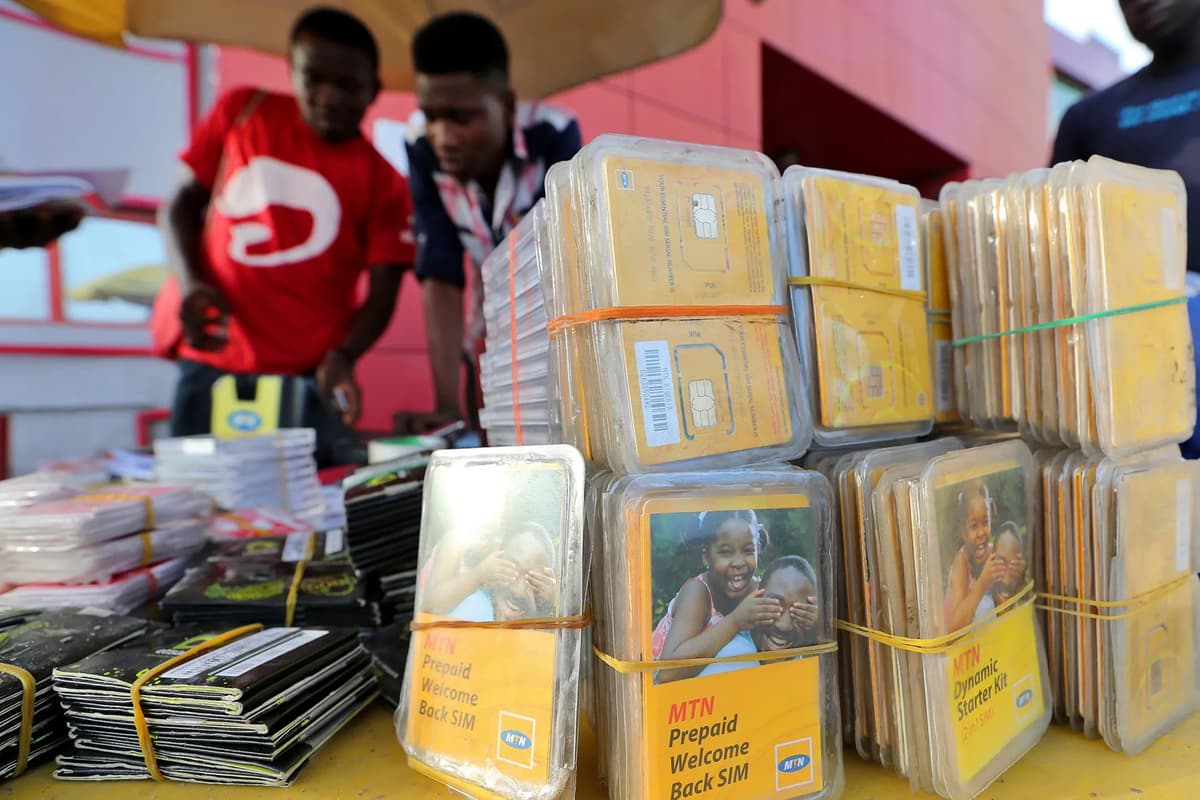
Why MTN and Airtel Temporarily Suspended Airtime Lending in Nigeria
Companies Mentioned
Why It Matters
Airtime lending is a lucrative, high‑margin revenue stream for Nigerian telcos; forced compliance could reshape their fintech strategies and affect consumer credit access in a cash‑starved market.
Key Takeaways
- •MTN and Airtel halted Xtratime amid DEONCL compliance deadline
- •FCCPC clarified suspensions are operator decisions, not regulator bans
- •Airtime lending contributed roughly $8 million to MTN’s fintech revenue 2025
- •Compliance fees include $372 per extra lending application beyond five
- •Other Nigerian telcos have not yet announced service suspensions
Pulse Analysis
The suspension of airtime‑and‑data credit services by MTN and Airtel highlights a pivotal shift in Nigeria’s digital lending landscape. The FCCPC’s DEONCL framework, rolled out in 2025, brings previously informal credit extensions under formal licensing, disclosure and consumer‑protection rules. While the regulator denied issuing a direct ban, the operators’ proactive shutdown signals the high cost of non‑compliance, including licensing fees—$372 for each additional lending application beyond the five‑application allowance—and the need to submit detailed lending models and data‑security certifications.
For telecoms, airtime credit has become a strategic fintech pillar, delivering high margins with minimal procurement costs. MTN’s 2025 fintech revenue topped $142 million, with roughly $8 million attributed to airtime lending, while Airtel’s “other” revenue segment—housing similar services—rose 44% to $113 million. The temporary halt therefore trims a non‑trivial slice of earnings, prompting executives to reassess growth forecasts and explore alternative value‑added offerings. Moreover, the regulatory thrust aims to curb opaque charges and aggressive recovery practices that have plagued Nigeria’s burgeoning digital credit market, potentially leveling the playing field for fintech entrants that meet compliance standards.
Looking ahead, the industry faces a balancing act: securing regulatory approval while preserving the convenience and revenue of instant credit. Operators that swiftly adapt—by formalising SLAs with banks, enhancing transparency, and integrating robust data‑protection measures—could emerge with a competitive edge once services resume. Meanwhile, smaller players like Globacom and T2 are watching closely, as the FCCPC’s enforcement timeline may trigger broader sector‑wide adjustments, reshaping how Nigerian consumers access short‑term credit through their mobile networks.
Why MTN and Airtel temporarily suspended airtime lending in Nigeria
Comments
Want to join the conversation?
Loading comments...