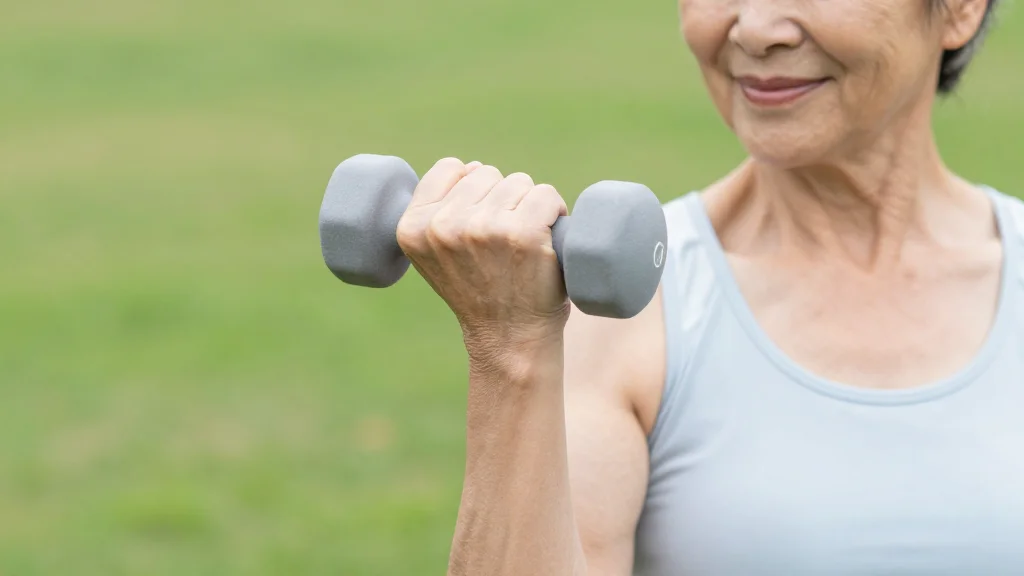
Leisure Activity Boosts Strength, Fitness in Older Adults
Why It Matters
The findings provide evidence that simple, accessible exercise interventions can delay functional decline, offering a cost‑effective strategy for aging societies and health systems facing rising elder care demands.
Key Takeaways
- •Leisure‑time activity boosts grip strength and lower‑limb power
- •Higher activity levels correlate with better balance and sit‑to‑stand scores
- •Weight‑bearing exercises outperform low‑impact activities for seniors
- •Tailored community programs could reduce fall‑related healthcare costs
Pulse Analysis
The global demographic shift toward older populations has intensified the search for scalable health interventions. While medical advances extend lifespan, preserving functional capacity remains a critical challenge. This study adds to a growing body of evidence that leisure‑time physical activity—particularly moderate‑to‑vigorous, weight‑bearing exercises—directly enhances muscle strength markers such as grip strength, a widely recognized predictor of overall health in older adults. By integrating objective performance tests with self‑reported activity logs, the researchers provide a robust data set that underscores the physiological benefits of active leisure.
From a policy perspective, the implications are profound. Improved muscle strength and functional fitness translate into lower fall incidence, reduced hospital admissions, and delayed entry into assisted‑living facilities. Health economists estimate that each avoided fall can save thousands of dollars in acute care costs. Consequently, municipalities and insurers have a financial incentive to fund community‑based exercise programs, senior centers, and public‑space initiatives that encourage diverse activity options—from walking clubs to resistance‑training classes. The study’s stratified analysis also helps clinicians prescribe personalized regimens that match individual capabilities and preferences, moving beyond one‑size‑fits‑all recommendations.
Looking ahead, the research opens avenues for longitudinal trials and technology‑driven monitoring. Wearable devices could capture real‑time activity data, linking daily movement patterns to long‑term health outcomes and enabling predictive analytics for early intervention. Moreover, quantifying the economic return on investment for leisure‑activity programs will strengthen the case for public‑private partnerships aimed at healthy aging. As evidence mounts, integrating structured physical activity into standard geriatric care could become a cornerstone of preventive medicine, fostering independence and quality of life for seniors worldwide.
Leisure Activity Boosts Strength, Fitness in Older Adults
Comments
Want to join the conversation?
Loading comments...