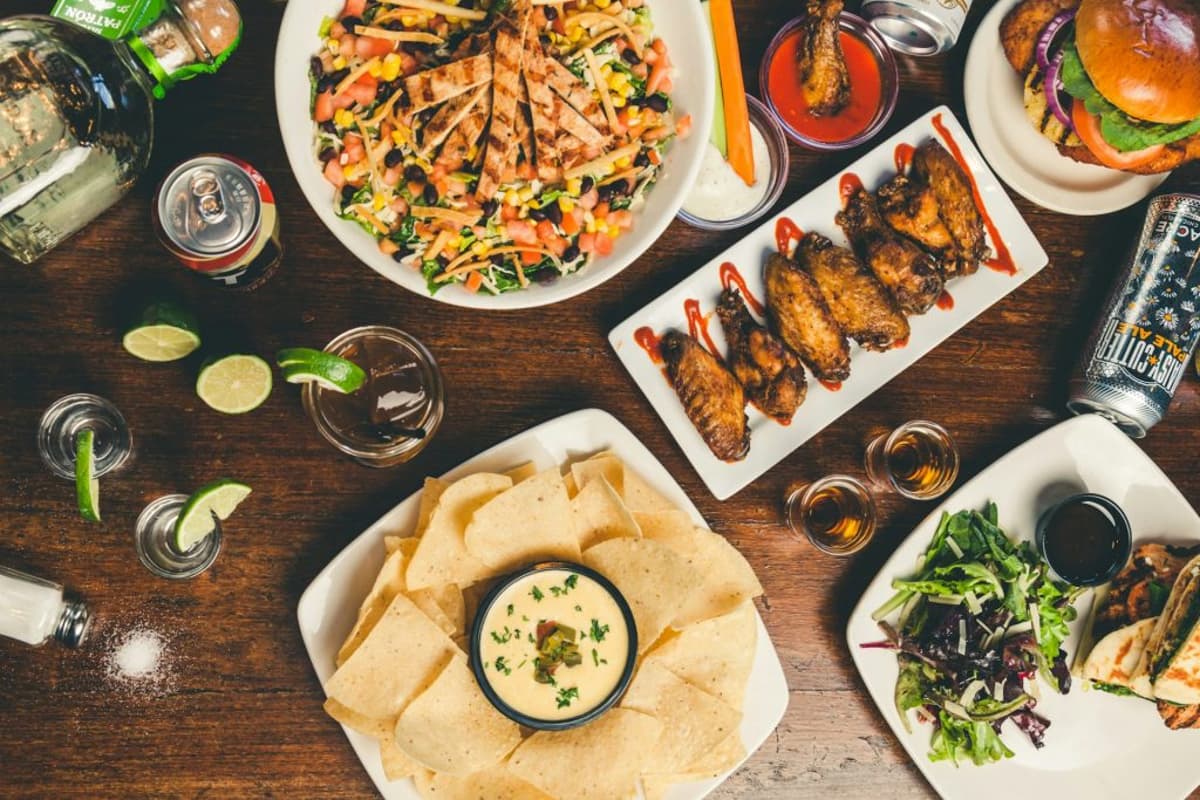
Meeting Customer Demand for Shareable and Snackable
Key Takeaways
- •Snackable dishes simplify kitchen workflows and reduce labor costs
- •Reusing core ingredients across small plates lifts menu margins
- •Limited‑time offers provide low‑risk testing for new concepts
- •Hybrid menus blend core entrées with flexible shareable options
Pulse Analysis
The rise of snackable, shareable menu items reflects a broader shift in dining habits. Consumers are moving away from rigid meal times, opting instead for multiple small bites that can be enjoyed alone or with a group. This behavior dovetails with the surge in off‑premise orders and heightened labor pressures, prompting operators to seek menu formats that are quick to prepare, easy to package, and capable of delivering consistent quality during peak periods.
From an operational standpoint, the snackable trend offers a pragmatic path to margin improvement. By breaking down existing entrees into component parts, restaurants can leverage the same inventory across a variety of dishes, minimizing waste and streamlining procurement. Hannon recommends a disciplined review process: assess which menu items can be deconstructed, test them as limited‑time offers, and monitor repeat orders and guest feedback. This data‑driven approach ensures that new items not only sell but also integrate smoothly into kitchen flow without compromising service speed.
Strategically, the trend does not signal the demise of traditional menus but rather encourages a hybrid model. Successful operators will maintain a core lineup of familiar entrées while layering on flexible, shareable options that let diners curate their own experiences. Scaling these concepts requires a repeatable execution framework—standardized recipes, reliable supply chains, and thorough staff training. When done correctly, snackable items become a sustainable revenue stream that meets modern diners’ desire for variety, control, and perceived value, positioning restaurants for long‑term resilience in a rapidly evolving market.
Meeting Customer Demand for Shareable and Snackable
Comments
Want to join the conversation?