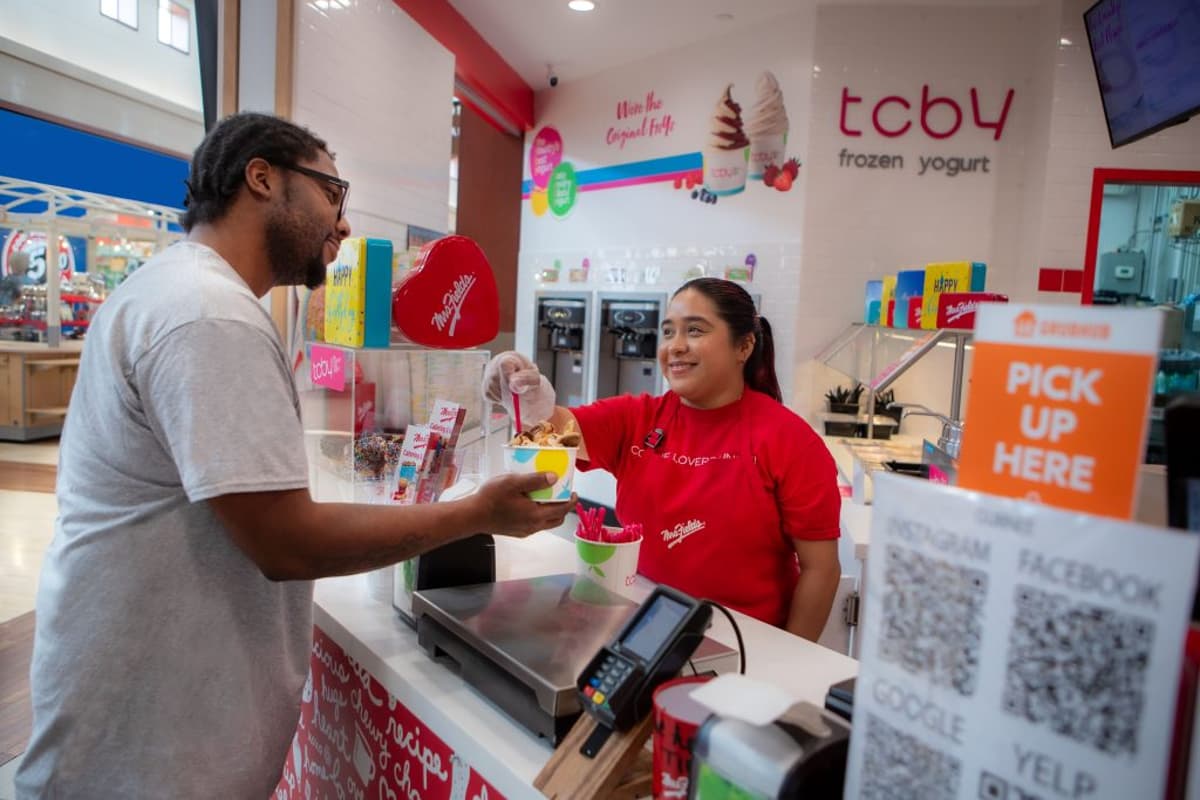
Under One Roof: The Opportunities and Challenges of Co-Branding
Key Takeaways
- •Shared operational costs reduce overhead for co‑branded locations
- •Cross‑purchasing boosts sales by offering complementary products
- •Brand reputation risk spreads if one partner faces negative perception
- •Co‑branding improves lease terms and tenant stability for landlords
- •Success hinges on aligned target audiences and consistent brand identity
Pulse Analysis
The surge in co‑branding reflects shifting consumer habits and intensified competition in high‑traffic venues such as malls and transit hubs. Health‑conscious shoppers gravitate toward lighter options like frozen yogurt, while families still crave indulgent treats. Pairing a premium dessert brand with a healthier counterpart creates a one‑stop destination that satisfies divergent preferences, driving foot traffic and extending dwell time. This strategic alignment leverages the broader trend toward experiential retail, where convenience and variety are paramount.
From an operational standpoint, co‑branding delivers tangible financial benefits. Shared rent, utilities, and staffing dilute fixed costs, allowing each brand to weather slower periods without jeopardizing profitability. Cross‑selling opportunities emerge naturally; a customer buying a cookie may be enticed to add a yogurt, increasing average ticket size. For franchisees, the dual‑brand proposition strengthens lease negotiations, often converting rent‑to‑sales clauses into more favorable terms. Landlords, in turn, gain confidence from diversified revenue streams, reducing the likelihood of vacancy and enhancing overall property performance.
Nevertheless, the model is not without pitfalls. A misstep by one partner—be it a product recall or a PR crisis—can tarnish the other’s reputation, demanding rigorous brand‑fit assessments before collaboration. Operational complexities, such as synchronizing inventory systems and staff training, require robust back‑office solutions to avoid service lapses. Maintaining distinct brand identities within a shared space hinges on clear visual cues, consistent messaging, and employee empowerment. Successful co‑branding therefore depends on strategic alignment, meticulous execution, and continuous monitoring to balance synergy with brand authenticity.
Under One Roof: The Opportunities and Challenges of Co-Branding
Comments
Want to join the conversation?