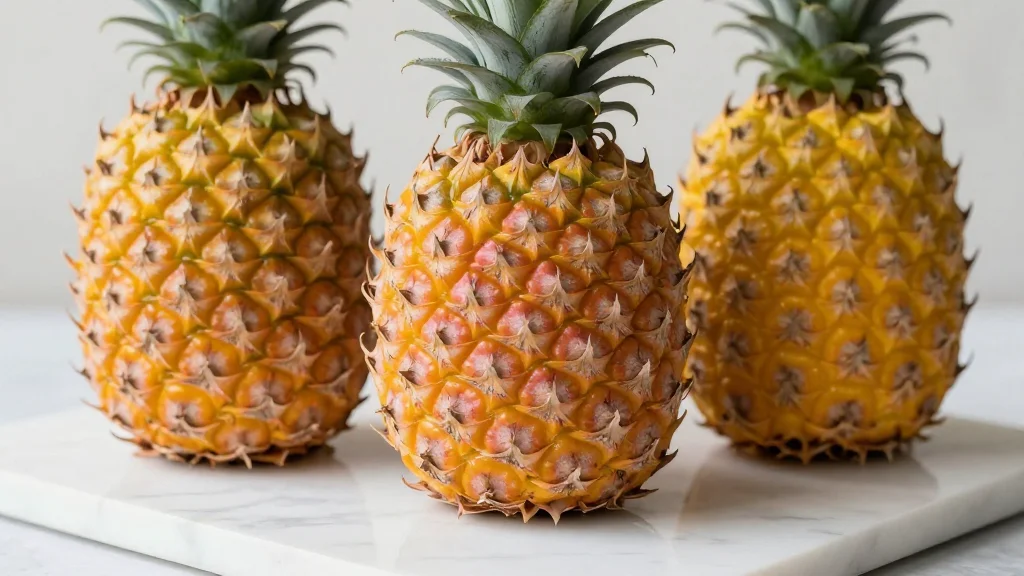
A $395 Pineapple? How Innovation Is Upending the Popular Tropical Fruit
Why It Matters
Premium fruit varieties generate higher basket spend and give producers a differentiated edge in a commoditized market, while retailers gain exclusive, high‑margin items to attract shoppers.
Key Takeaways
- •Fresh Del Monte’s Rubyglow sells for $395, two‑year growth cycle.
- •Specialty pineapples boost shopper spend 6% per grocery trip.
- •Premium varieties represent 10% of Del Monte’s pineapple sales.
- •Dole’s Colada Royale priced $5‑$9, plans to double output yearly.
- •U.S. per‑capita pineapple intake reaches 8.5 lb in 2024.
Pulse Analysis
The emergence of ultra‑premium produce reflects a broader consumer appetite for novelty and status symbols beyond traditional luxury goods. Breeding a new pineapple variety like Rubyglow demands up to 15 years of research and an 18‑month growth period, creating a scarcity that justifies a $395 price tag. This rarity, coupled with exotic visual appeal, transforms a staple fruit into a conversation piece, echoing the market dynamics seen with rare cheeses and specialty coffees.
From a business perspective, specialty pineapples act as a catalyst for category expansion. Shoppers who purchase a Rubyglow or a Colada Royale tend to buy the fruit more frequently and spend roughly 6% more on each grocery trip, according to Fresh Del Monte data. For producers, the premium segment, though a small slice of total volume, contributes disproportionately to revenue and brand differentiation. Retailers benefit by offering exclusive items that draw foot traffic and justify higher margins, especially in upscale grocery formats where shelf space is at a premium.
Looking ahead, the success of high‑end pineapples could inspire similar innovations across other fruit categories. As Dole plans to double Colada Royale output and expand cultivation to Costa Rica, supply chain efficiencies may lower prices, making premium varieties more accessible. Meanwhile, growers are likely to invest in longer‑term breeding programs to capture niche markets. The convergence of consumer desire for unique experiences and producers’ willingness to experiment suggests that the luxury produce segment will continue to grow, reshaping how the industry defines value beyond sheer volume.
A $395 pineapple? How innovation is upending the popular tropical fruit
Comments
Want to join the conversation?
Loading comments...