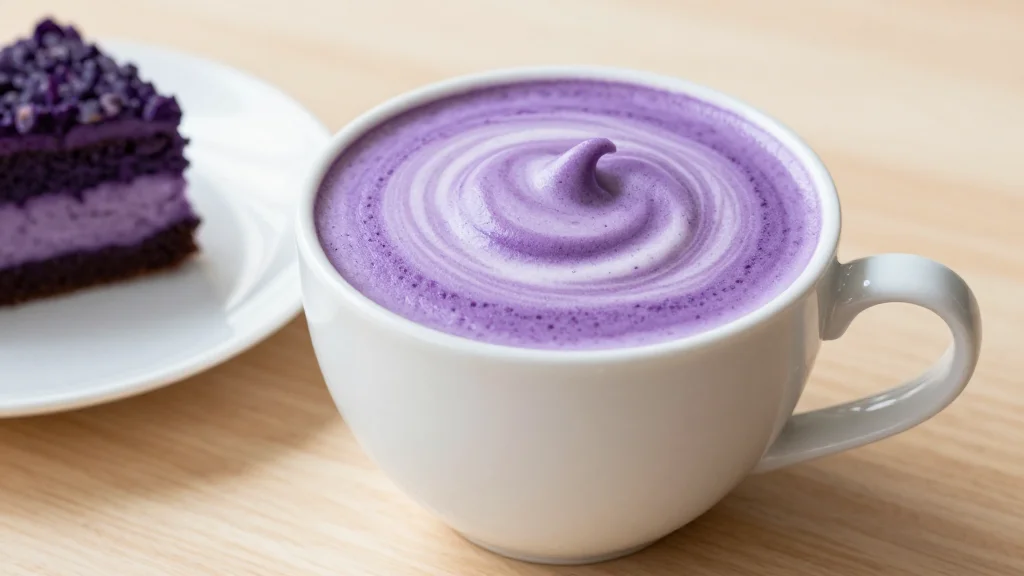
After Matcha, Ube Takes The Lead
Companies Mentioned
Why It Matters
Ube gives Indian cafés a profitable way to stand out while reflecting a broader shift toward culturally driven, visually appealing consumption.
Key Takeaways
- •Ube drinks launch across boutique cafés in major Indian cities.
- •Starbucks and Costa Coffee pilot Ube‑infused beverages internationally.
- •Local sourcing makes Ube a high‑margin ingredient for Indian cafés.
- •Debate emerges over cultural appropriation versus authentic culinary revival.
Pulse Analysis
The purple hue of ube has moved from Filipino kitchens to the glossy menus of India’s boutique coffee shops. Its vivid color makes it a natural fit for Instagram‑driven marketing, while the subtle sweet‑earthy flavor appeals to consumers seeking novel taste experiences. By adapting a traditional ingredient into lattes, milk teas and cold‑brew desserts, Indian cafés are tapping into a global wave of culinary curiosity that began with matcha’s rise earlier this decade.
From a business perspective, ube offers a compelling value proposition. The tuber can be cultivated in several Indian states, reducing import costs and allowing cafés to price the beverage at a premium while preserving healthy margins. Early adopters cite a 20‑30% margin uplift on ube‑based drinks compared with standard coffee offerings. International players like Starbucks and Costa Coffee are testing the concept in select markets, signaling confidence that the trend can scale beyond niche outlets. The parallel to matcha’s trajectory suggests that, with the right branding, ube could become a staple of urban coffee culture.
However, the surge is not without cultural friction. Critics argue that repackaging a Filipino staple for a Western‑styled café environment risks erasing its heritage, sparking debates about culinary appropriation versus authentic revival. Proponents counter that the visibility can empower diaspora communities and introduce broader audiences to Filipino flavors. As Indian consumers increasingly value storytelling and identity in their purchases, the ube narrative—balancing profit, aesthetics, and cultural respect—will shape how long the trend endures.
After Matcha, Ube Takes The Lead
Comments
Want to join the conversation?
Loading comments...