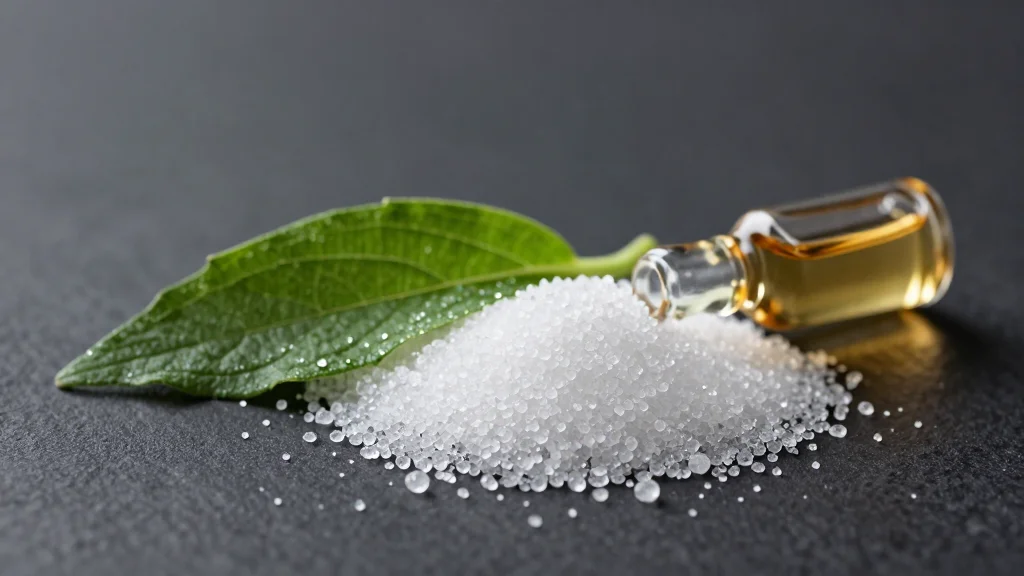
Ahead of Ingredion Aquisition, Tate & Lyle Doubles Down on Cell-Cultured Sugar Alternatives
Companies Mentioned
Why It Matters
The expanded sweetener portfolio bolsters Tate & Lyle’s position in the fast‑growing low‑sugar market and gives Ingredion a broader, science‑led pipeline ahead of integration, while meeting consumer health and sustainability expectations.
Key Takeaways
- •BioHarvest partnership now covers multiple plant‑based sweetener molecules.
- •Deal precedes Tate & Lyle’s $3.6 B acquisition by Ingredion.
- •Combined Ingredion‑Tate & Lyle revenues projected at $9.9 B.
- •Survey: over 50% of manufacturers plan to cut sugar this year.
- •US GLP‑1 users rose from 10% to 18%, cutting soda sugar.
Pulse Analysis
Tate & Lyle’s decision to broaden its collaboration with Canadian biotech BioHarvest Sciences marks a significant step toward commercialising plant‑cell‑culture sweeteners. BioHarvest’s Botanical Synthesis platform combines non‑GMO plant cell biology, AI‑driven pathway optimisation and industrial‑scale bioreactors to produce high‑purity sweetener molecules without cultivating the source crops. By adding a suite of complementary compounds to its portfolio, Tate & Lyle gives food and beverage manufacturers a flexible “toolkit” that can be tailored to taste, cost and labeling requirements. The timing is notable, arriving just weeks before the £2.7 billion ($3.6 billion) takeover by Ingredion, which will create a combined entity with roughly $9.9 billion in annual revenue.
Consumer appetite for lower‑sugar products is accelerating, driven by health‑focused diets and the rapid uptake of GLP‑1 weight‑loss drugs. A recent seven‑country survey found more than half of ingredient buyers intend to reduce sugar in the next twelve months, while U.S. GLP‑1 usage jumped from 10 % to 18 % between 2024 and 2025, prompting many users to cut sugary sodas. These trends dovetail with sustainability arguments: reducing added sugar could free hundreds of millions of tonnes of sugarcane and beet crops, opening land for rewilding and carbon sequestration.
The expanded sweetener pipeline strengthens the strategic fit of Tate & Lyle within Ingredion’s broader portfolio, giving the merged company a science‑led edge in a market where “sweet proteins” and precision fermentation are emerging competitors. With revenues slipping 3 % last year, Tate & Lyle’s move mitigates financial pressure by positioning the business in a high‑growth segment projected to outpace traditional sweetener sales. As the industry pivots toward plant‑derived, low‑land‑use ingredients, the combined firm is poised to capture premium contracts, accelerate product‑to‑market timelines, and reinforce its role as a leading innovator in global sweetness solutions.
Ahead of Ingredion Aquisition, Tate & Lyle Doubles Down on Cell-Cultured Sugar Alternatives
Comments
Want to join the conversation?
Loading comments...