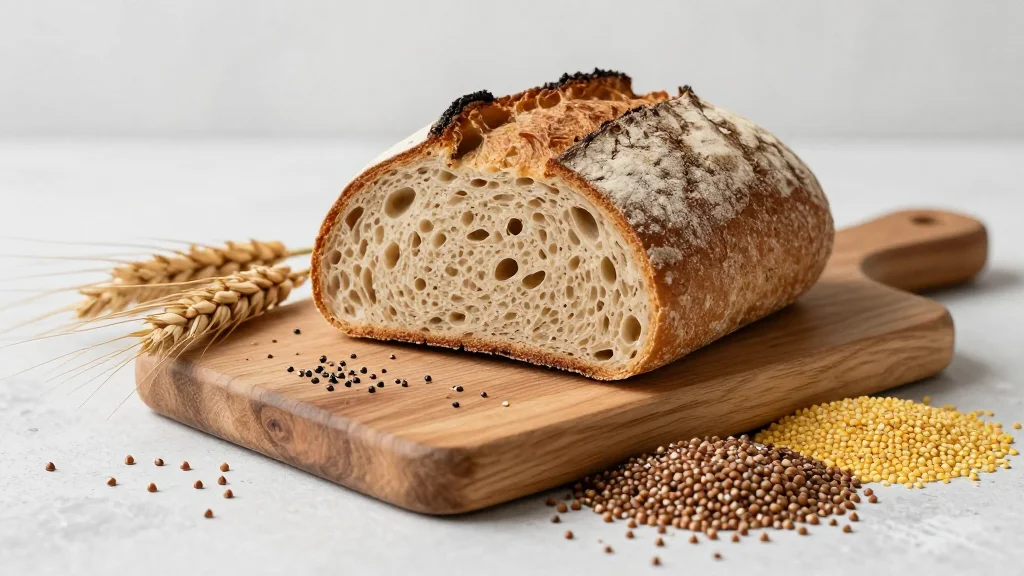
Ancient Grains, Legumes Make a Comeback with UPF Concerns
Why It Matters
The shift enables bakers to meet clean‑label, nutrition, and sustainability claims, opening new revenue streams as consumers demand healthier, less processed options. It also supports regenerative farming practices, reducing water and fertilizer inputs.
Key Takeaways
- •Ancient grains regain market share as bakers seek whole‑grain alternatives
- •Sorghum and millet provide gluten‑free, low‑water, regenerative farming benefits
- •Legume flours add protein, fiber at up to 30% blends
- •Higher fiber requires increased hydration and reduced mixing times
- •Ready‑to‑use mixes speed ancient grain adoption in commercial bakeries
Pulse Analysis
Consumer fatigue with ultra‑processed foods is driving a renaissance for ancient grains and legumes in the bakery sector. These whole‑grain ingredients deliver higher fiber, mineral density, and phytonutrients, aligning with clean‑label trends and dietary guidance. Brands such as ADM and Corbion are promoting sorghum, millet, quinoa, and pre‑soaked mixes that let manufacturers swap refined flour without sacrificing texture or taste, while also tapping into the growing demand for gluten‑free and better‑for‑you products.
From a technical standpoint, bakers must adjust formulations to accommodate the distinct functional properties of heirloom wheats, pseudo‑cereals, and legume flours. Higher fiber content raises dough hydration needs, and the altered glutenin‑gliadin ratios in ancient wheats can produce softer, less stable doughs, requiring shorter mixing times. Legume flours, limited to roughly 30% of a blend, boost protein and amino‑acid completeness without overwhelming the flavor profile. Pre‑soaked, ready‑to‑use mixes further streamline the transition, reducing development cycles for breads, crackers, and snack items.
Beyond nutrition, ancient grains support sustainability goals. Crops like sorghum thrive on minimal water and fertilizer, fitting regenerative agriculture models that appeal to eco‑conscious consumers and enable stronger sustainability messaging on packaging. As supply chains adapt, the industry anticipates broader adoption of these resilient grains, creating growth opportunities for ingredient suppliers and bakeries seeking to differentiate in a crowded market.
Ancient grains, legumes make a comeback with UPF concerns
Comments
Want to join the conversation?
Loading comments...