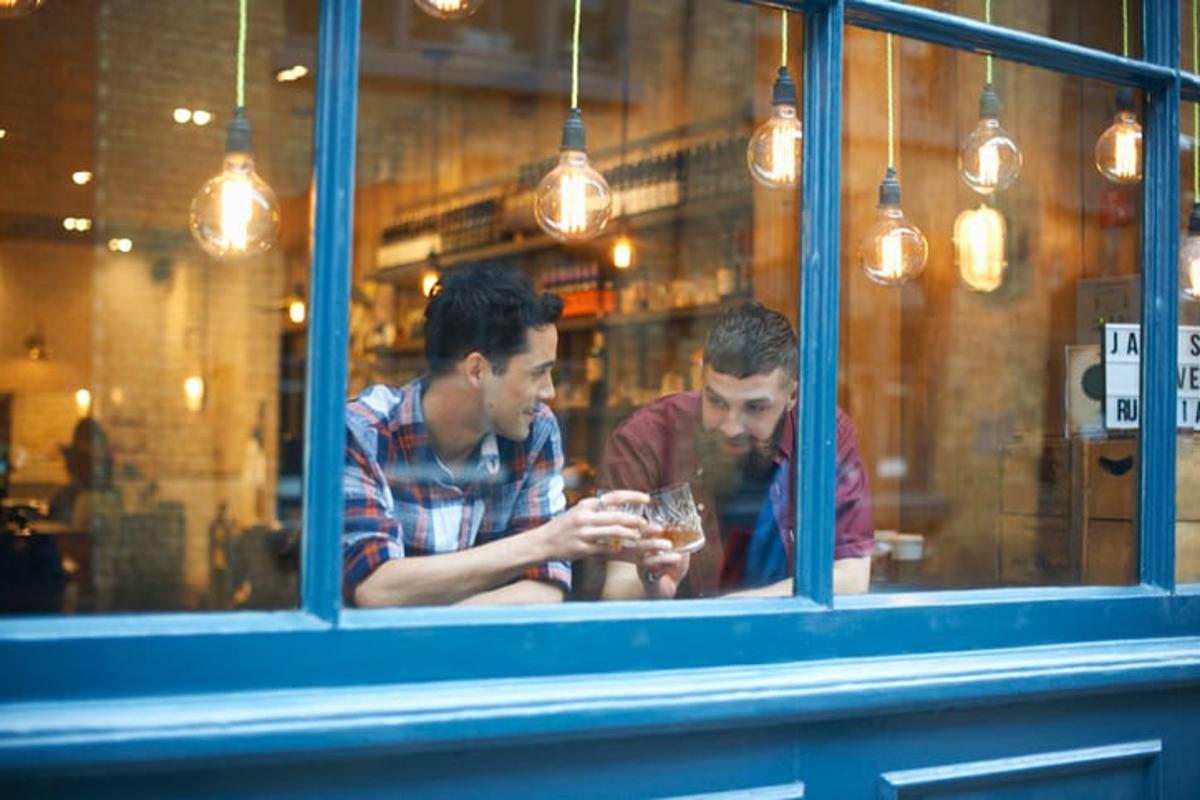
Behind the Bar: The Forgotten Art in Alcohol Marketing
Why It Matters
The decline underscores that pure digital volume no longer safeguards brand equity; experiential, on‑premise connections are becoming essential for sustaining market share and premium pricing in the spirits sector.
Key Takeaways
- •Top 20 alcohol brands lost 7% brand value in one year
- •Digital‑first tactics ignore bar‑level consumer interactions
- •Grassroots ambassadors boost product knowledge and local relevance
- •Experiential events turn spirits into community experiences
Pulse Analysis
The global spirits sector is confronting a rare erosion of brand equity. Over the past twelve months the twenty most valuable alcohol labels have collectively seen their valuation dip by roughly 7%, a signal that sheer volume‑driven marketing is no longer sufficient. Companies have poured resources into e‑commerce metrics, social‑media impressions and influencer campaigns, chasing short‑term ROI at the expense of deeper consumer connections. While these channels generate measurable data, they often overlook the tactile environment where spirits were historically celebrated – the bar, the pub, and the tasting table.
On‑premise venues remain the crucible for authentic brand storytelling. As Tony McGeever, founder of the Soho Spirits Festival, observes, brand ambassadors who walk the floor, curate the pour temperature and converse with patrons create a ‘living laboratory’ that digital ads cannot replicate. Initiatives such as Snoop Dogg’s Still G.I.N. offering free haircuts at a festival illustrate how experiential touches translate brand values into community relevance. These grassroots tactics not only educate hesitant drinkers—especially in categories like whisky—but also embed the label in the local cultural fabric, driving loyalty beyond the bottle.
Strategically, spirits makers should blend data‑driven outreach with place‑based activation. Investing in trained ambassadors who understand neighborhood nuances, pairing education programs with tasting events, and leveraging bar partnerships for co‑created experiences can rebuild the eroded brand capital. Moreover, measuring success through repeat foot traffic, dwell time and post‑visit sentiment offers a richer KPI set than clicks alone. As the market recalibrates, brands that prioritize the consumer journey—before, during and after the drink—will differentiate themselves, capture premium margins, and reverse the 7% value slide.
Behind the bar: the forgotten art in alcohol marketing
Comments
Want to join the conversation?
Loading comments...