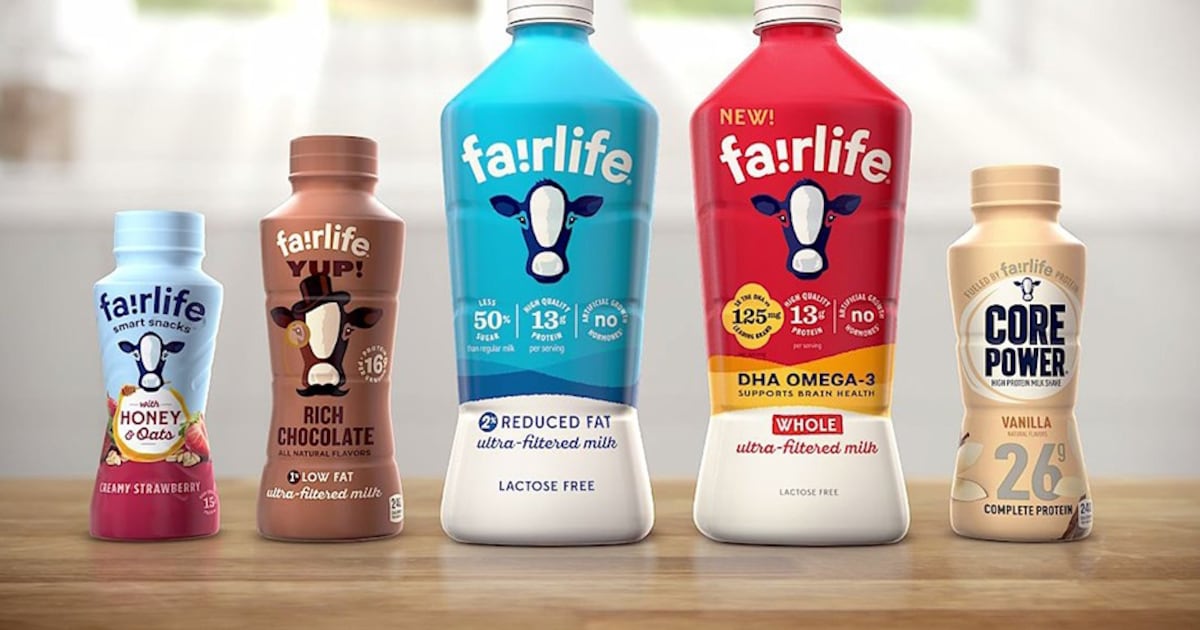
Big Soda Spotted It First: Why Ultrafiltered Milk Became a Billion‑dollar Bet
Companies Mentioned
Why It Matters
The shift signals a strategic pivot for traditional soda makers toward high‑protein, low‑sugar beverages, reshaping the dairy landscape and opening premium pricing opportunities.
Key Takeaways
- •Coca‑Cola bought Fairlife for ~ $1 billion in 2020
- •Fairlife holds 96% of U.S. ultrafiltered milk dollar sales
- •Category sales rose 14.8% YoY, but growth is slowing
- •Darigold FIT sales doubled last year, becoming second‑largest brand
- •Private‑label ultrafiltered milk grew 20% in the past year
Pulse Analysis
The ultrafiltered milk boom illustrates how legacy beverage firms are chasing health‑focused growth as carbonated soft‑drink volumes plateau. Coca‑Cola’s early partnership with Select and the subsequent $1 billion acquisition of Fairlife gave it a foothold in a segment that blends dairy’s nutritional appeal with the convenience of ready‑to‑drink formats. By delivering 50% more protein, half the sugar, and lactose‑free convenience, ultrafiltered milk aligns with consumer demand for clean‑label, functional foods, allowing Coca‑Cola to diversify beyond traditional sodas while leveraging its extensive distribution network.
Competition is intensifying as established dairy cooperatives and regional brands launch their own premium offerings. Darigold’s FIT line, now the second‑largest player, has more than doubled sales in a year, while Byrne Dairy, DairyPure’s Milk50, and Pioneer Pastures are expanding capacity and targeting affluent Millennials and young families. Private‑label manufacturers are also moving quickly, posting a 20% surge in ultrafiltered milk SKUs, which pressures national brands to innovate on price and flavor. The premium price gap—Fairlife commands roughly a 190% premium per ounce over standard whole milk—creates both a barrier to entry and a lucrative margin opportunity for brands that can justify the added nutritional value.
Looking ahead, the category is poised to evolve beyond fluid milk into yogurts, cheeses, and novel RTD formats, driven by ongoing wellness trends and the rise of low‑carb, high‑protein diets. As consumers increasingly scrutinize ingredient lists and seek lactose‑free options, ultrafiltered dairy’s processing‑based enhancements—higher protein, lower sugar, and added calcium—offer a compelling alternative to plant‑based milks. For the broader beverage and dairy industries, the lesson is clear: premium, functional dairy can serve as a growth engine, provided companies invest in scalable filtration technology, strategic branding, and distribution channels that meet the expectations of health‑conscious shoppers.
Big Soda spotted it first: Why ultrafiltered milk became a billion‑dollar bet
Comments
Want to join the conversation?
Loading comments...