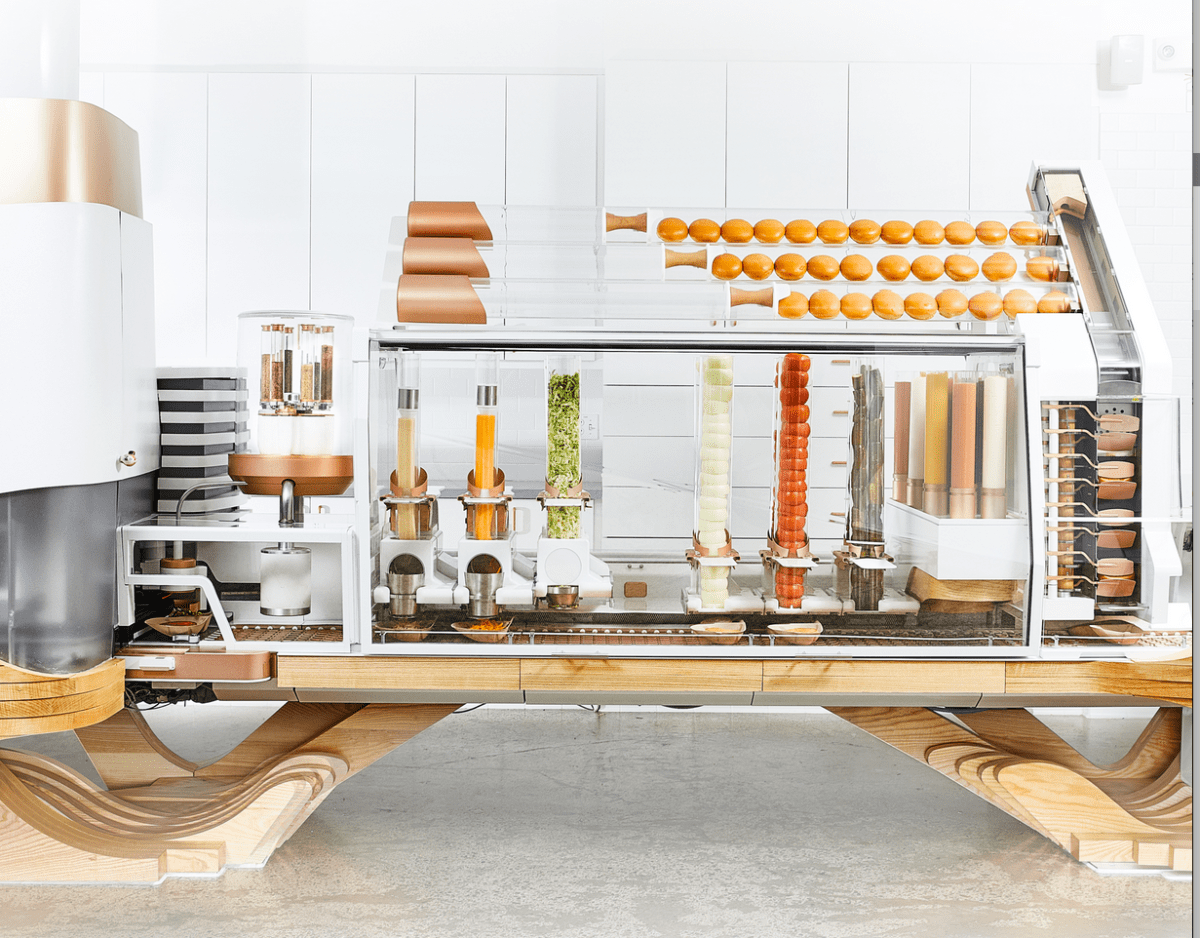
Creator Is Making a Comeback, Only This Time as a Platform Player and Not ‘Robot Theater’
Why It Matters
The shift to a B2B robotics platform could accelerate automation adoption across fast‑food chains, lowering labor costs and improving consistency. Success would validate Creator’s technology and signal broader industry movement toward back‑of‑house automation.
Key Takeaways
- •Creator pivots from consumer-facing robot restaurants to B2B platform
- •New CEO Michael Balsamo, former Tesla engineer, leads the turnaround
- •Advisory board includes ex‑Uber Eats, Wendy’s, Kitchen United executives
- •Platform aims to integrate robotics into existing fast‑food kitchens
- •First public showcase at Restaurant Leadership Conference in Phoenix
Pulse Analysis
The robot‑restaurant concept has long been a niche curiosity, with a handful of pilots spending millions on flashy, consumer‑visible machines. Creator was one of the most visible players, raising roughly $60 million and opening a flagship San Francisco location that cooked a burger in about four minutes. The COVID‑19 shutdown forced the company to close that storefront, leaving the technology largely dormant while the broader industry grappled with labor shortages and rising operating costs.
In 2025 Creator announced a strategic pivot: instead of operating its own eateries, it will license its automated burger‑assembly system to established brands. Under CEO Michael Balsamo—who rose from hardware engineer at Tesla to chief executive—the firm has rebuilt its hardware stack for faster cycle times and modular integration. An advisory board featuring former leaders from Uber Eats, Wendy’s, and Kitchen United adds credibility and market insight, positioning Creator to address the speed and volume demands of modern fast‑food kitchens. The platform promises to reduce labor reliance, improve product consistency, and enable quick rollout across multiple locations without the need for a new storefront.
If Creator can demonstrate reliable, high‑throughput performance, the move could trigger a wave of back‑of‑house automation across the quick‑service sector. Chains that struggle with staffing volatility may adopt the technology to safeguard margins, while third‑party vendors could see new revenue streams licensing the system. However, integration challenges—such as aligning with existing kitchen workflows and meeting the sub‑minute service expectations of major brands—remain significant. The upcoming debut at the Restaurant Leadership Conference will be a litmus test for whether Creator’s platform can transition from a novelty to a mainstream operational tool.
Creator is Making a Comeback, Only This Time as a Platform Player and Not ‘Robot Theater’
Comments
Want to join the conversation?
Loading comments...