German Vaccine Scientists Are Now Applying Their Expertise to Scaling Cultivated Meat
Companies Mentioned
Why It Matters
Applying proven vaccine‑manufacturing methods to cultivated meat could dramatically shorten the path to large‑scale, cost‑effective cell‑based protein, accelerating market entry and strengthening Europe’s bio‑economy.
Key Takeaways
- •Max Planck applies vaccine-scale perfusion to cultivated meat.
- •Innocent Meat raised €6 million ($6.6 M) for its platform.
- •German federal grant provides €285k ($313k) for two‑year research.
- •Project aims to boost cell yields for industrial food production.
- •Collaboration bridges pharma expertise and food biotech, accelerating scale‑up.
Pulse Analysis
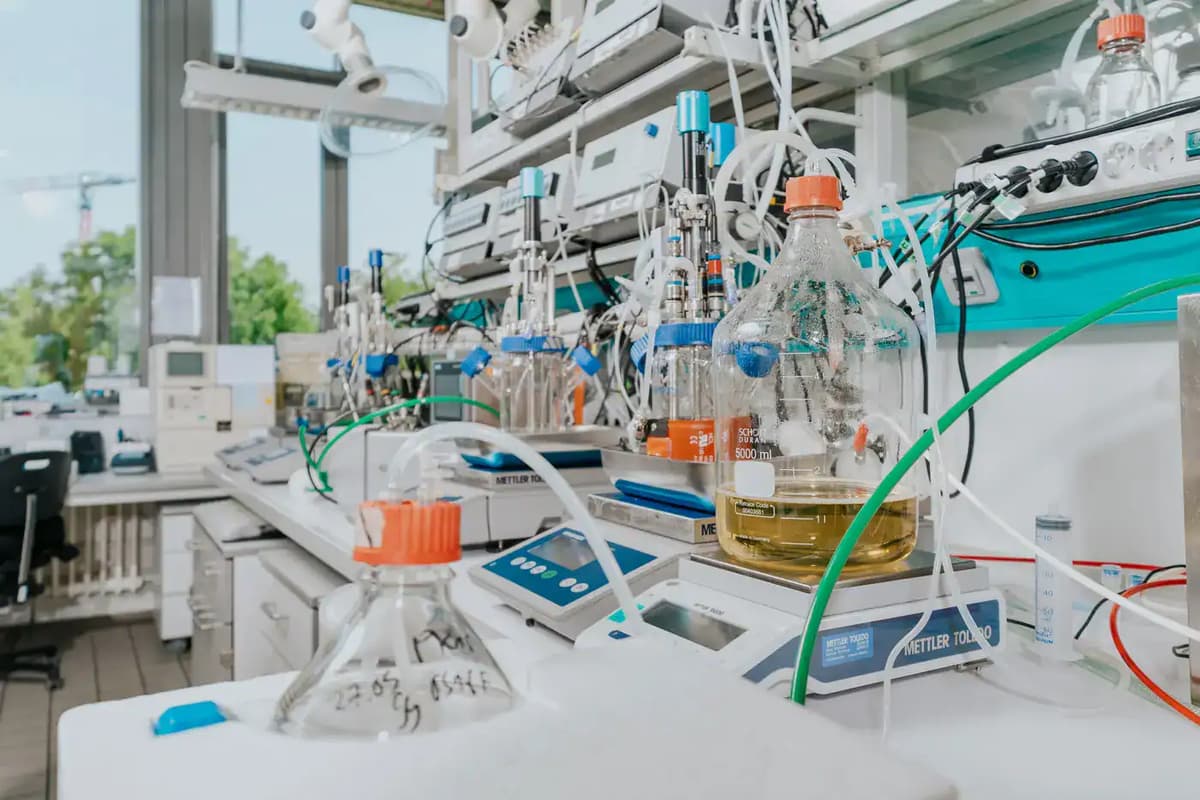
Cultivated meat remains one of the most promising avenues for sustainable protein, yet the sector’s biggest hurdle is scaling cell culture from bench‑top bioreactors to true industrial volumes. Traditional food‑tech processes struggle with maintaining cell viability and productivity at high densities, a problem that pharmaceutical manufacturers have solved for decades while producing viral vaccines. By importing high‑cell‑density perfusion and cell‑retention technologies, the Max Planck Institute offers a proven pathway to overcome these bottlenecks, potentially lowering production costs and improving product consistency.
The ZELPI partnership leverages Innocent Meat’s proprietary cell lines and media formulations, subjecting them to the institute’s advanced reactor platforms. Backed by €285,000 ($313,500) of federal funding and bolstered by Innocent Meat’s recent €6 million ($6.6 M) capital raise, the project reflects Germany’s strategic push to become a hub for cellular agriculture. The collaboration exemplifies the growing synergy between public research institutions and private startups, a model that can accelerate technology transfer, de‑risk investment, and create a skilled talent pipeline within the country’s bioeconomy.
Beyond immediate yield improvements, the initiative signals a broader shift where expertise from vaccine production is repurposed for food biotechnology. Successful scale‑up could enable conventional meat processors to adopt cell‑based lines with minimal R&D overhead, expanding market adoption and diversifying supply chains. As regulators and consumers increasingly demand sustainable protein sources, the ability to produce cultivated meat at commercial scale will be a decisive competitive advantage, positioning Germany and its partners at the forefront of the next wave of food innovation.
German Vaccine Scientists Are Now Applying Their Expertise to Scaling Cultivated Meat
Comments
Want to join the conversation?
Loading comments...