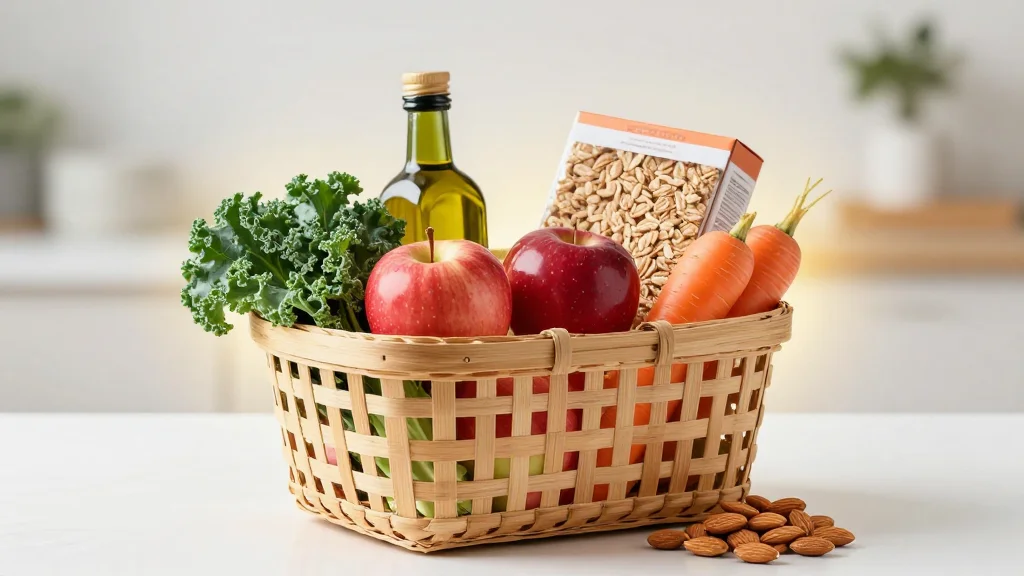
IDDBA 2026 Reveals Retail Opportunities for Better-for-You Shoppers
Companies Mentioned
Why It Matters
Supermarkets stand to unlock significant revenue by converting leaked BFY spend back into the grocery channel, reinforcing their relevance amid health‑focused consumer demand. Expanding the right BFY assortment can boost basket size and differentiate stores from mass‑merch competitors.
Key Takeaways
- •BFY shoppers spend $88 per basket, double typical spend.
- •92% of households buy BFY, but only half shop grocery.
- •$30 billion BFY sales leak to mass merch and club stores.
- •Bakery BFY trends prioritize fiber, gluten‑free, and low‑sugar.
- •Supermarkets can capture growth by expanding BFY product assortment.
Pulse Analysis
The better‑for‑you (BFY) movement is reshaping grocery economics, with shoppers willing to double their basket spend to accommodate healthier options. NielsenIQ’s data from IDDBA 2026 reveals that BFY consumers not only purchase premium items but also increase overall volume, a pattern that amplifies store revenue per visit. This shift reflects broader consumer health consciousness, driven by trends in protein, fiber, and low‑sugar formulations, and underscores the strategic importance of aligning shelf space with these preferences.
Despite the high adoption rate—92% of U.S. households now buy BFY products—a sizable portion of that spend is escaping the traditional grocery aisle. Roughly half of BFY purchases occur outside supermarkets, funneling an estimated $30 billion into mass‑merchandise chains and wholesale clubs. This leakage presents a clear competitive threat, urging grocers to refine their assortments and promotional tactics. By stocking a broader range of BFY items—especially those that meet emerging claims like GLP‑1 compatibility and sugar consciousness—retailers can reclaim lost revenue and strengthen loyalty among health‑focused shoppers.
Category nuances further illustrate the opportunity. In bakery, consumers demand indulgence without sacrificing nutrition, favoring fiber‑rich, gluten‑free, and reduced‑sugar options. However, they remain unwilling to compromise on taste or texture, challenging manufacturers to innovate with premium ingredients and novel processing methods. Supermarkets that partner with agile brands or develop private‑label BFY lines can differentiate their offerings, attract higher‑spending shoppers, and ultimately drive the larger basket sizes that define this segment’s growth trajectory.
IDDBA 2026 reveals retail opportunities for better-for-you shoppers
Comments
Want to join the conversation?
Loading comments...