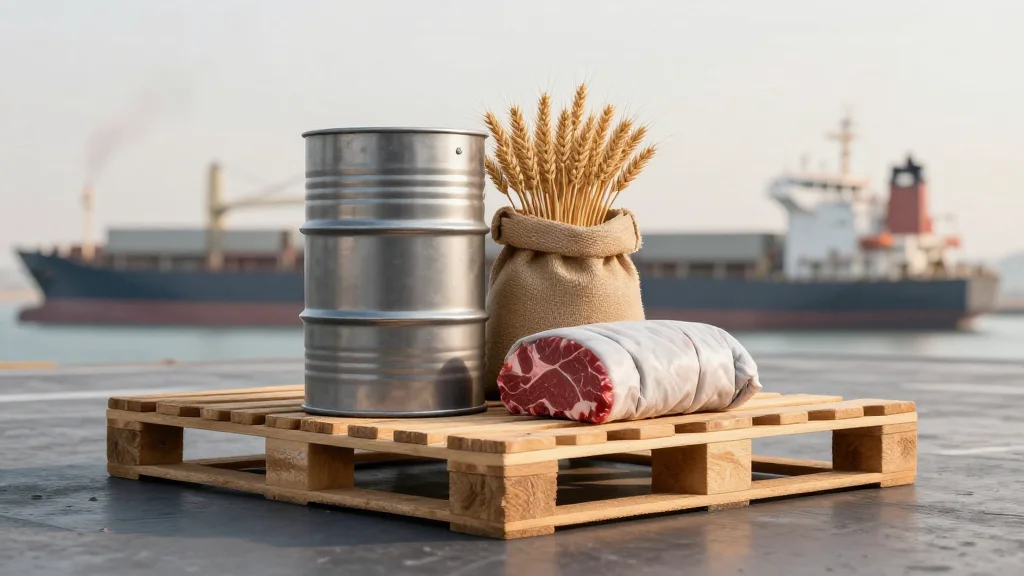
Iran Conflict Pushes Global Food Prices to Three-Year High
Companies Mentioned
Why It Matters
Higher food prices pressure household budgets and amplify inflationary risks worldwide, prompting policymakers to reassess trade and agricultural support strategies.
Key Takeaways
- •Food index up 1.6% in April, three-year high
- •Meat prices rose 1.2%; cereal index up 0.8%
- •Iran war blocks Strait of Hormuz, limiting diesel, fertilizer
- •Reduced farm inputs threaten yields, push consumer food costs higher
- •Third consecutive month of food price gains fuels inflation worries
Pulse Analysis
The Iran‑Israel conflict has exposed the fragility of global agricultural supply chains. By choking the Strait of Hormuz, the world’s most critical chokepoint for oil‑based fertilizers and diesel, the war has forced a slowdown in the delivery of inputs that farmers rely on to plant and harvest crops. This bottleneck not only inflates production costs but also ripples through commodity markets, lifting prices for vegetable oils, meat and cereals that already sit at elevated levels due to lingering pandemic‑era disruptions and climate‑related yield concerns.
Rising food prices reverberate far beyond the commodity floor. For consumers, especially in emerging economies where food accounts for a larger share of household spending, even modest hikes can erode real incomes and spark social unrest. Central banks, already navigating a delicate post‑pandemic monetary tightening, now face added pressure to contain inflation without choking growth. Some governments may resort to targeted subsidies for staple foods or accelerate strategic reserves releases, while others could tighten import tariffs to protect domestic producers, a move that could further distort global trade flows.
Looking ahead, the episode underscores the need for diversified input sources and resilient logistics. Nations are likely to invest in alternative fertilizer production, such as green ammonia projects, and explore overland routes that bypass maritime chokepoints. Simultaneously, climate‑smart farming practices that reduce dependence on nitrogen‑heavy fertilizers could mitigate future price spikes. Investors and policymakers alike should monitor geopolitical flashpoints and supply‑chain innovations, as they will shape the trajectory of food inflation and broader economic stability in the coming years.
Iran conflict pushes global food prices to three-year high
Comments
Want to join the conversation?
Loading comments...